



Germany has long been recognized as a global leader in automotive innovation, engineering excellence, and manufacturing scale. As the industry adapts to rapid technological change and evolving consumer expectations, the German automotive sector continues to redefine its role in the global market. Understanding current trends and emerging opportunities provides valuable context for businesses, investors, and stakeholders seeking clarity in a competitive and fast-moving environment.
1. Overview of the German Automotive Landscape
The German automotive ecosystem is built on a strong foundation of premium brands, advanced supply chains, and research-driven development. A detailed Germany automotive market report highlights how the country balances tradition with transformation. While established manufacturers remain influential, new mobility solutions and digital integration are reshaping production strategies and market positioning.
2. Key Trends Shaping the Industry
One of the most significant developments is the shift toward electrification. Electric vehicles, battery technology, and charging infrastructure are receiving major investment, supported by regulatory frameworks and sustainability goals. At the same time, digitalization is transforming vehicles into connected platforms, enhancing safety, performance, and user experience. These changes are central themes in any current German car industry report focused on long-term competitiveness.
3. Innovation and Research Leadership
Germany’s strength lies in its commitment to innovation. Research and development spending remains among the highest globally, enabling advancements in autonomous driving, lightweight materials, and manufacturing automation. Collaboration between automakers, technology firms, and academic institutions continues to drive progress. Such collaboration is frequently emphasized in Automotive market insights Germany professionals rely on to assess future readiness.
4. Supply Chain and Manufacturing Evolution
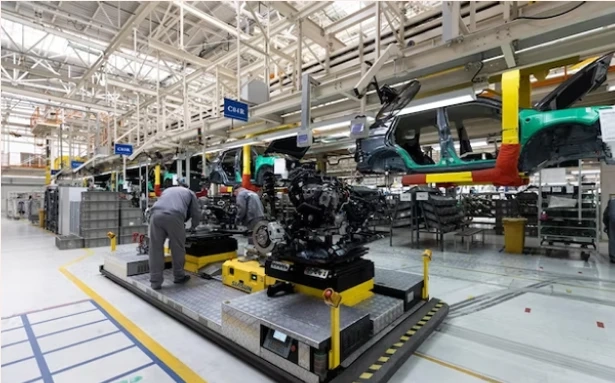
Global supply chain challenges have prompted German manufacturers to rethink sourcing and production strategies. Increased localization, diversification of suppliers, and investment in smart factories are becoming standard practices. These measures enhance resilience while maintaining quality standards. A modern Germany automotive market report often points to flexible manufacturing as a key competitive advantage moving forward.
5. Market Opportunities and Growth Areas
Despite challenges, opportunities remain strong. Electric mobility services, software-driven vehicle features, and sustainable manufacturing solutions present attractive growth potential. Export markets continue to value German engineering, while domestic demand evolves toward environmentally conscious transportation. Insights from a recent German car industry report suggest that companies embracing digital services alongside traditional manufacturing are best positioned for success.
6. Regulatory and Sustainability Influences
Environmental regulations play a major role in shaping the industry’s direction. Emission standards, recycling requirements, and carbon neutrality targets influence both product design and operational decisions. These regulations encourage innovation rather than restrict growth, pushing manufacturers to develop cleaner, smarter mobility solutions. This regulatory landscape is a recurring focus in Automotive market insights Germany analysts use to evaluate compliance and opportunity.
The German automotive market stands at a pivotal moment, combining decades of engineering excellence with a clear drive toward future mobility. By embracing innovation, sustainability, and digital transformation, the industry continues to create meaningful opportunities across global markets. At Foxx, comprehensive analysis helps stakeholders navigate these changes with confidence, turning insight into informed strategy within an evolving automotive landscape.