



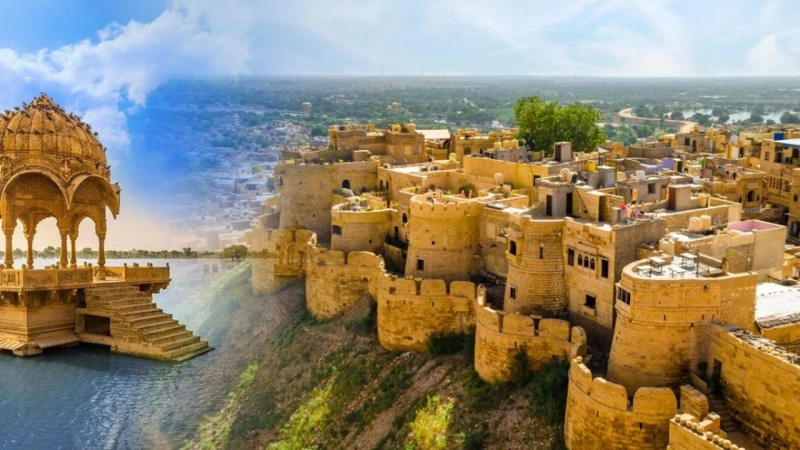
Tucked away in the heart of the Thar Desert, Jaisalmer Fort rises like a golden mirage. Also known as Sonar Quila or the Golden Fort, this UNESCO World Heritage site stands as one of the few living forts in the world. With its winding alleys, intricately carved havelis, ancient Jain temples, and vibrant culture, the fort offers more than just an architectural marvel—it delivers an experience deeply rooted in history and tradition. For those visiting the region, it's also the perfect starting point before heading out for a Camp in sand dunes Jaisalmer, offering a blend of heritage and desert adventure.
Raj Mahal: Echoes of Royal Legacy
At the core of the fort complex lies Raj Mahal, the former residence of the Maharawal of Jaisalmer. Built in stages between the 16th and 19th centuries, the palace is a visual history of Jaisalmer’s rulers. It features an impressive array of carved balconies, jharokhas, and sandstone facades, with views overlooking the desert plains. Visitors can walk through the former audience halls and throne room, admiring the Rajput architecture that tells stories of valor and diplomacy.
Jain Temples: A Sacred Escape Within the Fort
Among the most revered spiritual sites within the fort are the seven interconnected Jain temples, built between the 12th and 16th centuries. Each temple is dedicated to a different Tirthankara and constructed entirely from yellow sandstone, adorned with delicate carvings, frescoes, and motifs. The Parsvanath Temple stands out for its intricate detailing, where every corner and column appears to tell a spiritual tale. These temples are not only religious sanctuaries but also examples of remarkable craftsmanship and devotion.
Laxminath Temple: Fusion of Devotion and Craftsmanship
Located near the Jain temple complex, the Laxminath Temple is one of the few Hindu temples within the fort walls. Dedicated to Lakshmi and Vishnu, this temple is an active place of worship and holds great significance for the locals. It provides a glimpse into the syncretic culture of the region, where Jain and Hindu communities coexisted and contributed to the fort's rich spiritual life.
Merchant Havelis: Mansions of the Golden Era
The fort is home to some of the finest examples of Rajasthani merchant architecture. Notable among these are the Vyas Haveli and Shree Nath Palace. These grand homes, built by wealthy traders, showcase elaborate stonework, latticed windows, and private courtyards that once hosted music, poetry, and gatherings. They offer a peek into the life of Jaisalmer’s elite during the height of the silk and opium trade. Visiting these havelis transports you to a time when trade routes were lifelines, and artistry adorned every inch of domestic space.
Fort Alleys and Artisan Shops: Living Heritage
One of the unique aspects of Jaisalmer Fort is that it remains inhabited. Approximately 3,000 people live inside, many of whom are descendants of original residents. The narrow lanes are filled with artisan shops selling handcrafted textiles, embroidered garments, silver jewelry, and leather goods. Each stall reflects the region’s rich artisan legacy and the fort’s enduring role as a cultural hub. Walking through these alleys, you’ll encounter traditional musicians, folk performers, and miniature painters keeping ancestral skills alive.
Fort Museums: Stories Preserved in Stone
There are several small yet informative museums within the fort complex, each offering a different perspective on Jaisalmer’s heritage. The Desert Culture Centre and Museum showcases antique weaponry, utensils, musical instruments, and historical documents that provide insight into desert life. The Folklore Museum captures traditional customs through photographs, exhibits, and oral histories, helping visitors understand the cultural depth of the region.
Cannon Point: Fort’s Defensive Legacy
Head to the highest point of the fort and you’ll find the old cannons positioned strategically to guard the fort’s walls. This vantage point offers panoramic views of the city’s golden sprawl and distant desert horizon. It’s a spot where history meets landscape, giving you a sense of the military foresight of the Rajput rulers and their connection to the surrounding terrain.
The Fort’s Architecture: A Living Textbook
Built in 1156 AD by Rawal Jaisal, the fort is constructed primarily from golden-yellow sandstone, which glows brilliantly under sunlight. Unlike most forts in India, this one is integrated into the daily lives of its residents, making it a dynamic architectural space. The structure features layered defenses, four gateways, and interconnected bastions that were once pivotal during enemy sieges. The Tazia Tower, though slightly outside the main fort, is another striking example of Mughal-Rajput fusion architecture that further defines Jaisalmer’s eclectic identity.
Evening Rituals and Cultural Events
As the day winds down, Jaisalmer Fort transforms with the soft glow of lamps and the sounds of traditional Rajasthani folk music. Local communities often host small cultural gatherings within the fort's courtyards, open to tourists seeking a more immersive experience. These performances not only entertain but preserve folk traditions, storytelling, and music that define Rajasthan’s soul.
Extend Your Journey into the Desert
After exploring the golden lanes and ancient sites of the fort, many travelers find the contrast of the open desert equally compelling. The transition from stone to sand offers a continuation of Jaisalmer’s historical narrative. For a truly immersive desert stay, the Jaisalmer desert tents provide comfort and authenticity right under the stars. Whether it’s a folk dance performance around the campfire or a camel ride into the dunes, this extension offers a balance between heritage and nature.
If you're seeking elegance in the desert with modern comforts, consider a Luxury Swiss Tent in Jaisalmer, which blends royal aesthetics with serene seclusion. It’s the perfect complement to the heritage experience inside the fort—turning your visit into a seamless narrative of Rajasthan’s past and present.
Jaisalmer Fort is more than a monument. It’s a community, a cultural archive, and a living symbol of Rajasthan’s resilience and beauty. From ancient temples to merchant mansions, every corner invites you to pause, listen, and learn. And just beyond its gates lies the desert, where stories continue under the endless sky.