



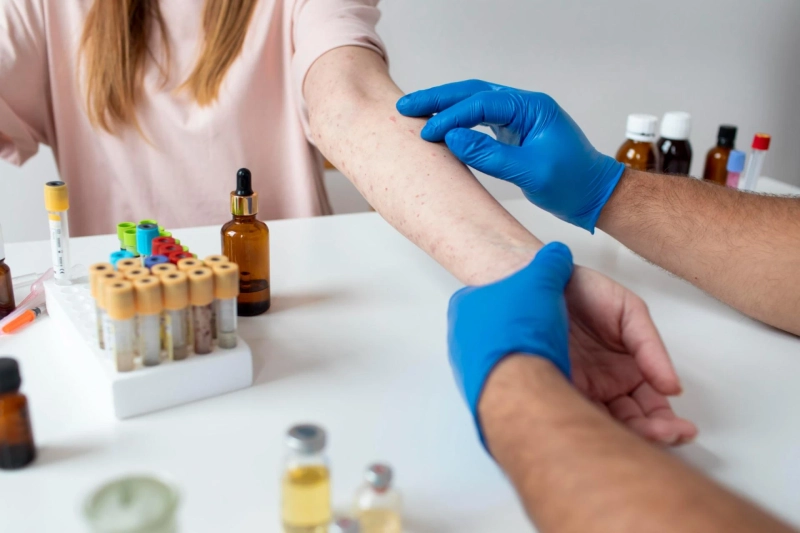
Introduction: Understanding the Growing Concern of Lyme Disease in the UK
Lyme disease, a tick-borne infection caused primarily by the Borrelia burgdorferi bacterium, has become an increasing public health concern in the UK. As awareness grows, more people are recognising the importance of early detection and comprehensive treatment to prevent long-term complications.
In recent years, London has seen a rise in advanced medical centres dedicated to diagnosing and managing this complex condition. Visiting a Lyme disease treatment clinic UK like Levitas Clinic can make a significant difference to your recovery journey, especially when care is timely, personalised, and evidence-based.
This guide explores what happens inside a modern Lyme disease treatment clinic in London, how early testing influences recovery, and why individualised care approaches are changing the future of Lyme disease management across the UK.
What Is Lyme Disease? A Hidden Health Challenge
Lyme disease is transmitted through the bite of infected ticks—most commonly found in grassy or wooded areas. While outdoor enthusiasts, hikers, and pet owners are more exposed, anyone can be affected, even through a seemingly minor tick bite.
The infection can cause a wide range of symptoms, from mild flu-like discomfort to severe neurological and musculoskeletal complications. Common early signs include:
- Fever, fatigue, and muscle aches
- Headache and joint pain
- Swollen lymph nodes
- The distinctive “bull’s-eye” rash (erythema migrans)
However, not everyone develops this rash, and symptoms can easily be mistaken for other conditions. This makes accurate testing and prompt diagnosis at a specialist Lyme disease treatment clinic in the UK essential for effective recovery.
Why Early Diagnosis Is Crucial
One of the key challenges in treating Lyme disease is that its symptoms often appear similar to other chronic illnesses such as fibromyalgia, chronic fatigue syndrome, or autoimmune disorders.
When detected early—typically within weeks of infection—Lyme disease is highly treatable with antibiotics. But delayed or missed diagnosis can lead to chronic Lyme disease, characterised by persistent fatigue, cognitive problems, joint inflammation, and neurological symptoms.
Specialist clinics like Levitas Clinic London employ advanced diagnostic tools that go beyond standard NHS testing. These may include:
- Comprehensive antibody testing (ELISA and Western blot) for Borrelia burgdorferi
- PCR testing for bacterial DNA
- Advanced blood panels that assess immune system response
- Functional medicine assessments to evaluate inflammation, nutrient status, and co-infections
By combining traditional and advanced testing methods, Lyme disease clinics in London can identify the infection accurately and start treatment before the condition becomes chronic.
Inside a Lyme Disease Treatment Clinic in London
A modern Lyme disease treatment clinic UK is not just a diagnostic centre—it’s a space where medicine meets personalised healing. These clinics are designed to uncover the underlying causes of symptoms, understand each patient’s medical history, and create a structured plan to support both short-term recovery and long-term health.
Let’s explore what you can expect when you walk into a specialist clinic like Levitas Clinic.
1. Comprehensive Consultation and Medical History Review
The first step involves an in-depth consultation with a Lyme specialist. Unlike a standard GP visit, this consultation focuses on your entire health journey—from symptom onset to lifestyle factors and environmental exposures.
The clinician will discuss:
- Your history of outdoor exposure and tick bites
- The timing and evolution of symptoms
- Any previous diagnostic results or antibiotic treatments
- Family health background and immune system function
This detailed review allows the practitioner to build a complete clinical picture, which is essential for accurate diagnosis and tailored treatment.
2. Advanced Diagnostic Testing
After the initial consultation, your clinician may recommend a series of targeted tests. At a reputable Lyme disease treatment clinic UK, testing is not limited to standard NHS procedures; it often includes private laboratory tests that identify bacterial strains, immune reactions, and associated infections.
Lyme disease can coexist with other tick-borne pathogens—such as Babesia, Bartonella, or Ehrlichia—which can complicate symptoms. Advanced testing helps to reveal these co-infections, ensuring your treatment plan addresses all potential factors affecting your health.
3. Personalised Treatment Plan
Once results are confirmed, your specialist designs a custom treatment plan tailored to your condition and stage of infection. Unlike a “one-size-fits-all” antibiotic prescription, personalised treatment at clinics such as Levitas Clinic London may combine:
- Antibiotic therapy for acute bacterial control
- Immune-supporting nutrients such as vitamin C, zinc, and magnesium
- Anti-inflammatory support to reduce joint pain and fatigue
- IV vitamin infusions for detoxification and energy restoration
- Gut health support to rebuild microbiome balance after antibiotics
- Lifestyle and nutritional guidance for long-term immune resilience
The goal is not only to eliminate infection but also to restore vitality, cognitive clarity, and immune stability.
4. Ongoing Monitoring and Recovery Support
Recovery from Lyme disease can take weeks or even months depending on how early treatment begins. Continuous monitoring ensures that symptoms are tracked, medication effectiveness is evaluated, and treatment plans are adjusted as needed.
Clinics like Levitas Clinic London integrate functional medicine principles, which means they focus on whole-body healing rather than symptom suppression. Follow-up appointments may include progress assessments, blood tests, and recommendations for complementary therapies to enhance recovery.
How Personalised Care Makes a Difference
Lyme disease affects everyone differently. Some people recover quickly, while others face persistent symptoms long after the infection has cleared. This variation makes personalised treatment crucial.
Here’s how tailored care improves outcomes:
- Addresses root causes: Instead of simply treating symptoms, clinicians investigate immune imbalances, inflammation, and co-infections.
- Improves tolerance: Treatment plans are adjusted based on your body’s response, minimising side effects and promoting healing.
- Supports long-term wellness: Integrative therapies like nutritional counselling, IV infusions, and lifestyle changes strengthen your overall health.
- Prevents recurrence: Personalised care equips you with preventive strategies to avoid reinfection and maintain immune resilience.
This approach reflects the modern evolution of Lyme disease management—focusing on empowerment, education, and whole-body health.
The Role of Functional and Integrative Medicine
Functional medicine plays an increasingly important role in Lyme disease recovery. This patient-centred model looks at how different body systems interact and how chronic infections can disrupt them.
At an integrative clinic like Levitas Clinic London, functional assessments might explore:
- Gut microbiome imbalances caused by antibiotics
- Nutrient deficiencies that weaken immune function
- Detoxification capacity and liver health
- Hormonal and mitochondrial function affecting energy levels
By identifying and addressing these interconnected issues, clinicians support the body’s natural healing mechanisms—reducing fatigue, brain fog, and inflammation often associated with chronic Lyme disease.
Preventing Lyme Disease: Steps You Can Take
While professional treatment is essential for those infected, prevention remains the best defence. Here are a few simple steps to reduce your risk of Lyme disease:
- Wear protective clothing when hiking or spending time in wooded or grassy areas.
- Use insect repellent containing DEET or picaridin on skin and clothing.
- Perform tick checks after outdoor activities, especially around the scalp, armpits, and behind the knees.
- Shower promptly after being outdoors to remove unattached ticks.
- Seek medical advice immediately if you notice a rash, flu-like symptoms, or have been bitten by a tick.
If symptoms persist or worsen, visiting a Lyme disease treatment clinic UK like Levitas Clinic ensures that testing and treatment begin promptly.
When to Visit a Lyme Disease Specialist in London
You should consider consulting a specialist if you experience any of the following:
- Unexplained fatigue or muscle weakness
- Joint or nerve pain without clear cause
- Cognitive symptoms such as brain fog or memory issues
- Recurring flu-like illness after outdoor exposure
- A rash that may resemble a bull’s-eye
Even if your initial tests were negative, advanced testing at a specialist clinic can detect cases that standard screenings miss.
Why Choose Levitas Clinic London?
Levitas Clinic stands out among leading Lyme disease treatment clinics in the UK for its integrative, science-based, and compassionate approach. Their team of specialists combines medical expertise with functional medicine strategies to provide holistic, results-driven care.
Key features include:
- Advanced diagnostic testing for Lyme and co-infections
- Individualised treatment plans that blend conventional and natural therapies
- Focus on immune system repair, detoxification, and nutritional balance
- Ongoing support for symptom management and long-term recovery
This multidisciplinary model ensures that patients not only recover from infection but also regain lasting health and energy.
FAQs About Lyme Disease Treatment in London
1. How long does it take to recover from Lyme disease?
Recovery times vary based on how early the condition is diagnosed and treated. Early-stage Lyme disease may resolve in weeks with antibiotics, while chronic cases may require longer, integrative treatment plans lasting several months.
2. Can Lyme disease be cured completely?
Yes, when diagnosed early and treated appropriately, most people recover fully. In chronic cases, treatment focuses on eliminating infection, reducing inflammation, and restoring immune balance to achieve long-term remission.
3. Is Lyme disease contagious?
No, Lyme disease is not transmitted from person to person. It spreads only through the bite of infected ticks.
4. What are the most reliable tests for Lyme disease?
Specialist clinics use advanced methods like ELISA, Western blot, and PCR testing to detect Lyme antibodies or bacterial DNA. These tests are more accurate than standard screening tools.
5. Can lifestyle changes help with Lyme disease recovery?
Absolutely. Proper nutrition, adequate sleep, gentle exercise, and stress management can all support immune health and accelerate recovery. Functional medicine approaches at clinics like Levitas Clinic incorporate these aspects into treatment plans.
Conclusion: The Future of Lyme Disease Treatment in the UK
Lyme disease is complex, but with timely diagnosis and comprehensive care, recovery is within reach. Specialist clinics in London are leading the way in transforming how this condition is understood and managed—bridging traditional medicine with personalised, integrative care.
Choosing a trusted Lyme disease treatment clinic UK such as Levitas Clinic ensures that you receive expert attention, precise testing, and a holistic treatment plan tailored to your needs.
From early detection to long-term wellness, these clinics offer more than treatment—they provide the guidance, support, and reassurance needed to reclaim your health and vitality after Lyme disease.