



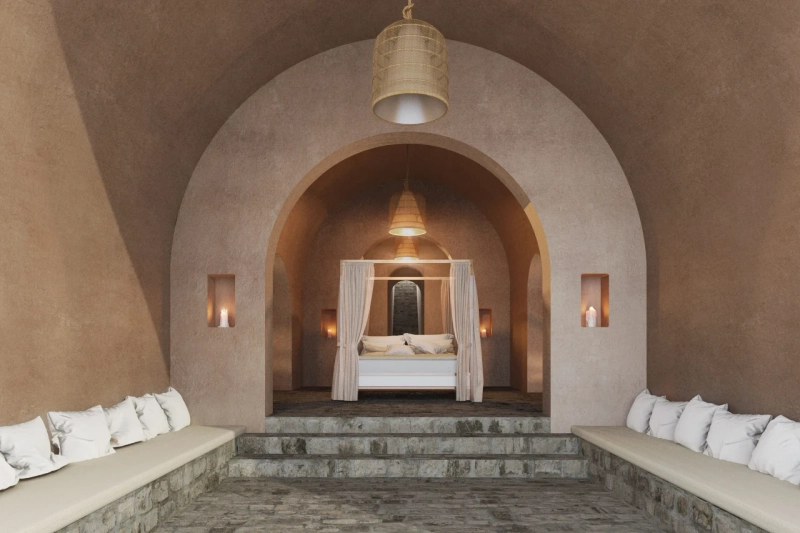
Mumbai, India’s dynamic metropolis, is known for its towering skyline, vibrant culture, and fast-paced growth. Yet, amidst this urban expansion, a new architectural movement is emerging—one that prioritizes balance between development and environmental responsibility. The sustainable architects in Mumbai are leading this transformation, crafting spaces that are not only visually striking but also ecologically sound and socially meaningful. Through thoughtful design, these architects are redefining how modern cities can coexist with nature while embracing innovation and sustainability.
The Rise of Sustainable Architecture in Mumbai
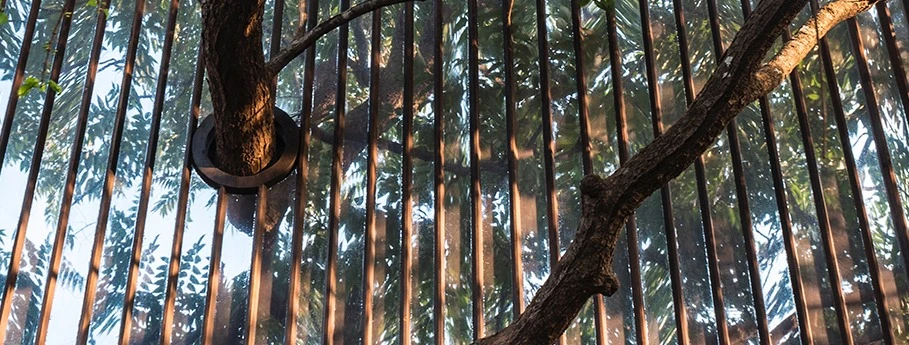
As one of the most densely populated cities in the world, Mumbai faces challenges like pollution, heat islands, and limited green spaces. The need for sustainable architects in Mumbai has never been greater. These professionals are addressing urban concerns through climate-responsive designs that reduce energy consumption, manage water efficiently, and promote natural ventilation. By incorporating eco-friendly materials and integrating nature into the built environment, they’re reshaping how the city grows.
Sustainable architecture is not a passing trend—it’s a responsibility. Architects in Mumbai are focusing on long-term ecological balance, ensuring that every project, whether residential, commercial, or public, contributes positively to the environment. The shift toward green building practices has positioned Mumbai as a hub for innovation in sustainable design.
Merging Sustainability with Modern Design
Today’s architectural vision goes beyond constructing buildings—it’s about creating environments that enhance human well-being. The sustainable architects in Mumbai are combining advanced technology with natural systems to produce energy-efficient, resilient structures. From vertical gardens that improve air quality to solar-powered office complexes, sustainability is woven into every layer of design.
The success of sustainable design lies in its holistic approach. Modern architects understand that buildings should harmonize with their surroundings rather than overpower them. Projects now feature recycled materials, energy-efficient facades, and water-harvesting systems that ensure minimal ecological impact. These green innovations not only reduce operational costs but also improve occupant comfort and productivity.
The Intersection of Sustainability and Hospitality Architecture
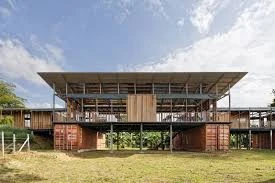
One of the most exciting applications of sustainable design is within hospitality architecture. In the tourism and leisure industry, eco-friendly design has become a defining factor for modern hotels and resorts. Guests are increasingly drawn to spaces that offer luxury while maintaining a commitment to the planet.
The sustainable architects in Mumbai have recognized this shift and are redefining hospitality spaces to reflect the values of sustainability, comfort, and cultural sensitivity. From boutique hotels overlooking the Arabian Sea to eco-resorts nestled on the city’s outskirts, Mumbai’s hospitality architecture now celebrates natural materials, open layouts, and biophilic design elements.
Sustainable hospitality projects often feature:
- Natural Ventilation Systems: Reducing dependency on mechanical cooling and improving indoor air quality.
- Locally Sourced Materials: Supporting regional economies and reducing transportation emissions.
- Renewable Energy Integration: Solar panels and wind turbines power many modern hotels.
- Water Conservation Techniques: Greywater recycling and rainwater harvesting are becoming industry norms.
Through such innovations, Mumbai’s hospitality spaces are evolving into destinations that embody luxury, serenity, and sustainability.
The Design Philosophy Behind Sustainable Architecture
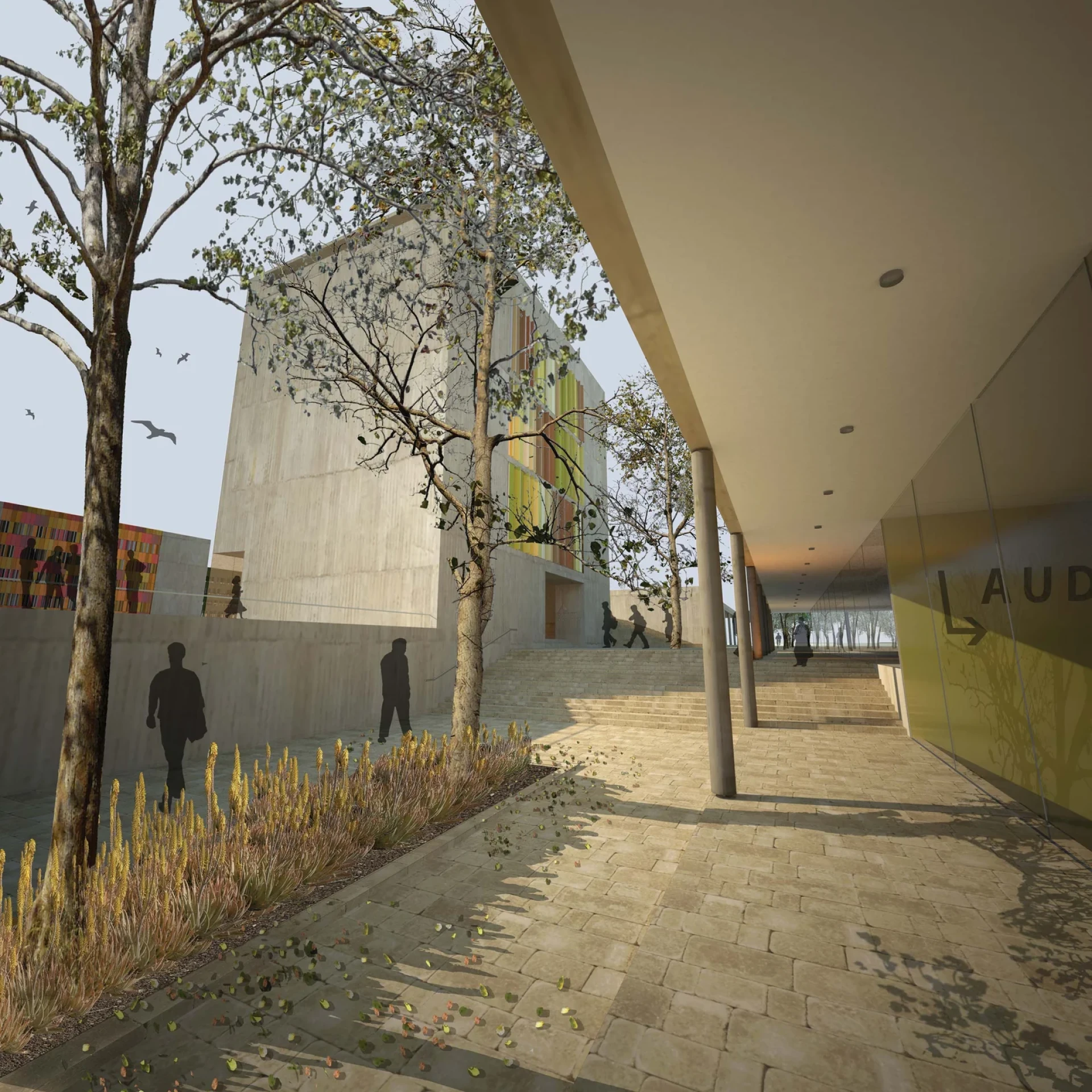
What distinguishes sustainable architecture is its foundation in empathy—for people, nature, and future generations. The sustainable architects in Mumbai design with a focus on functionality, resilience, and environmental ethics. Their projects often begin with a detailed site analysis to understand the local climate, natural resources, and social context.
Sustainability doesn’t mean compromising on style or innovation. Instead, it challenges architects to think creatively—transforming challenges into design opportunities. The goal is to create buildings that breathe, evolve, and coexist harmoniously with their environment.
For instance, modern office spaces in Mumbai are now designed to maximize natural light, reduce artificial lighting needs, and incorporate green courtyards for employee well-being. Similarly, residential projects feature rooftop gardens, energy-efficient appliances, and smart water systems, proving that sustainability enhances both lifestyle and aesthetics.
Building a Greener Urban Future
Mumbai’s path toward a sustainable future depends heavily on collaboration between architects, developers, and policymakers. The sustainable architects in Mumbai are not just designing buildings—they are shaping a new urban narrative where innovation meets environmental awareness.
These architects are setting benchmarks for green construction by achieving LEED and IGBC certifications, promoting adaptive reuse of old structures, and using digital tools to minimize waste in construction. Their projects serve as blueprints for cities across India, aiming to integrate sustainability into mainstream development.
As urban populations rise and resources become scarce, sustainable design will no longer be a choice but a necessity. The architects driving this change are laying the foundation for future generations to live in harmony with their environment.
Conclusion
In this era of conscious design, Architecture BRIO stands as a beacon of innovation among the leading sustainable architects in Mumbai. Known for its creative integration of nature, light, and space, the firm exemplifies the future of responsible architecture. Their work reflects a deep respect for the environment and an understanding of how design can elevate both lifestyle and sustainability. With a strong portfolio spanning residential, institutional, and hospitality architecture, Architecture BRIO continues to inspire the architectural community with its commitment to eco-sensitive and human-centered design. By blending modern aesthetics with environmental stewardship, the firm reaffirms that the future of architecture lies in building not just for today—but for generations to come.