



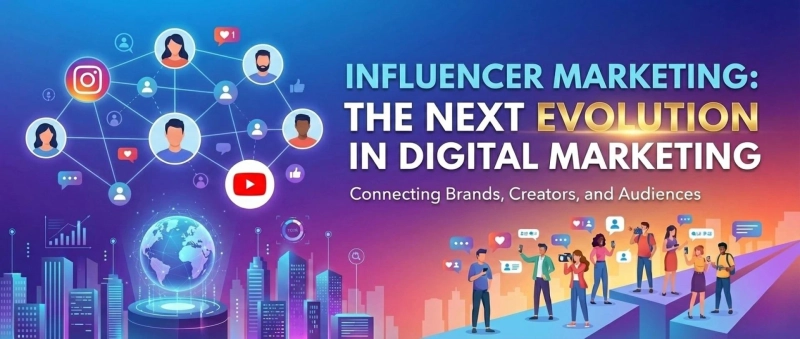
In the rapidly shifting landscape of 2026, influencer marketing has transitioned from a supplementary tactic to the core engine of brand growth. This digital marketing evolution is driven by a fundamental shift in consumer trust; audiences no longer look to polished corporate advertisements for guidance. Instead, they turn to content creators who offer authenticity, relatability, and real-world expertise. As we navigate this new era, understanding the intersection of human connection and data-driven strategy is essential for any modern brand.
The Rise of Social Media Influencer Marketing
The current state of social media influencer marketing is defined by the move from "reach" to "relevance." While celebrity endorsements once dominated, the focus has pivoted toward niche experts. These content creators, often categorized as micro or nano-influencers, possess smaller but hyper-engaged communities. Because their followers view them as peers rather than distant stars, their recommendations carry a weight that traditional media cannot replicate. This trust is the cornerstone of the modern digital marketing evolution, where community sentiment outweighs simple impression counts.
Best Influencer Marketing Strategies for Brands
To succeed in 2026, companies must look beyond one-off sponsored posts. The best influencer marketing strategies for brands now prioritize long-term ambassadorships. By building multi-month or multi-year partnerships, brands allow influencers to weave products naturally into their daily narratives. This consistency fosters deeper brand recall and reinforces the perception of a genuine endorsement. Furthermore, a successful social media marketing strategy must now include co-creation—inviting influencers to help design products or shape campaign creative from the ground up to ensure it resonates with their specific audience.
Integrating AI and Data in Influencer Marketing
While the human element remains paramount, influencer marketing in 2026 is heavily supported by advanced technology. AI-powered tools now assist in every stage of a campaign, from identifying the perfect audience match to predicting conversion rates before a single post goes live. This data-driven layer ensures that social media influencer marketing remains a high-ROI channel rather than a speculative expense. Brands are now measuring success through "earned media value" and "direct conversion attribution" rather than vanity metrics like likes or shares.
Conclusion
As we look toward the future, the best influencer marketing strategies for brands will be those that balance technological precision with raw, human storytelling. The digital marketing evolution has made it clear: authenticity is the new currency. By treating influencer marketing as a strategic partnership rather than a transactional ad buy, businesses can build a resilient social media marketing strategy that thrives on trust. In a world of "AI slop" and digital noise, the genuine voice of a creator is the most powerful tool a marketer can wield.
For more information or if you’re looking for Amazon marketplace management, e-commerce marketplace management, digital marketing, brand building, web development, feel free to contact us and let’s discuss how we can help grow your business.