



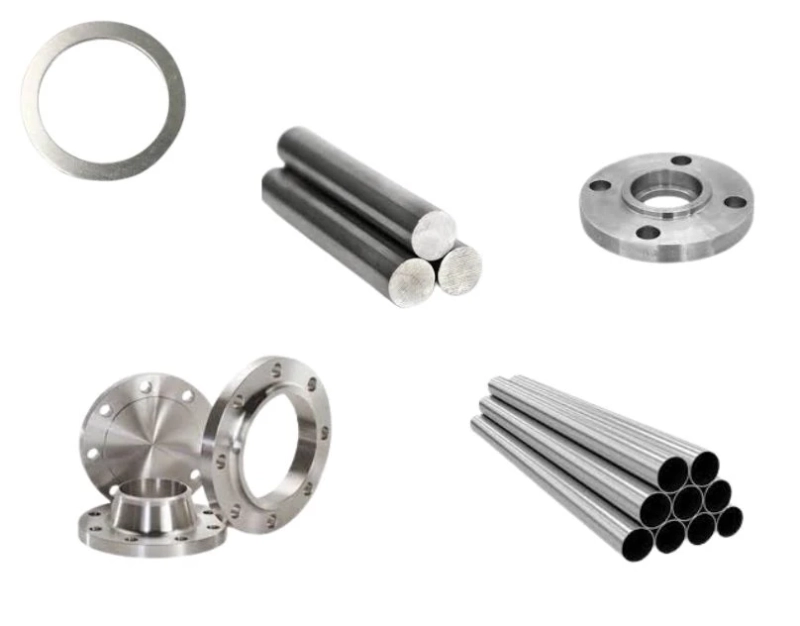
From a B2BMarketing and sourcing strategy perspective, platforms like Pipex.ai help industrial buyers compare specifications, applications, and availability across critical product categories, supporting smarter purchasing decisions aligned with long-term operational goals. Understanding where and how each component is used is the first step toward minimizing downtime and ensuring system integrity.
In industrial projects, the performance, safety, and lifecycle cost of a system depend heavily on the quality of its core metal components. Products such as gaskets, flanges, pipes, and round bars may seem standard, but their material grade, dimensional accuracy, and application suitability directly impact operational efficiency. Procurement professionals must therefore evaluate not just price, but also technical compliance, service conditions, and supplier reliability.
Overview of Key Industrial Products
Aluminum gaskets are widely used in low- to medium-pressure sealing applications where corrosion resistance and lightweight performance are required. They offer good thermal conductivity and are suitable for automotive, HVAC, and light industrial piping systems. Buyers should assess operating temperature limits and flange surface finish compatibility before selection.
Alloy steel flanges are engineered for high-pressure and high-temperature environments. Their enhanced mechanical strength and resistance to creep make them suitable for power plants, refineries, and petrochemical units. When sourcing alloy steel flanges, buyers should verify heat treatment conditions, ASTM/ASME standards, and pressure ratings.
Carbon steel flanges are among the most commonly used piping components due to their cost-effectiveness and robust mechanical properties. They are ideal for oil & gas, water pipelines, and general industrial applications. Key considerations include corrosion allowance, coating requirements, and compatibility with the conveyed media.
Stainless steel 904L pipes are designed for highly corrosive environments, particularly where sulfuric acid or chlorides are present. With excellent resistance to pitting and stress corrosion cracking, they are preferred in chemical processing, pharmaceuticals, and marine industries. Buyers should confirm chemical composition and compliance with international standards.
Stainless Steel 309 Round Bars
Stainless steel 309 round bars are known for their superior oxidation resistance and strength at elevated temperatures. They are commonly used in furnace parts, heat exchangers, and structural components exposed to heat. Dimensional tolerance, surface finish, and mill test certification are important procurement checkpoints.
Key Applications Across Industries
These products collectively support a wide range of industrial systems. Gaskets ensure leak-proof sealing in pipelines, flanges provide secure connections, pipes transport fluids and gases, and round bars serve as raw material for machined or fabricated components. Industries such as oil & gas, power generation, chemical processing, infrastructure, and manufacturing rely on the correct integration of these materials to maintain safety and performance standards.
Buyer Tips for Industrial Procurement
- Match material grade to service conditions – temperature, pressure, and corrosion exposure should guide material selection.
- Verify standards and certifications – ASTM, ASME, and EN compliance ensures interchangeability and safety.
- Evaluate total cost of ownership – consider lifespan, maintenance, and replacement frequency, not just initial price.
- Choose reliable sourcing platforms – consistent supply, technical data transparency, and traceability reduce procurement risks.
Selecting the right industrial metal components is a strategic decision that affects system reliability, safety, and long-term costs. By understanding the specific roles of aluminum gaskets, alloy and carbon steel flanges, stainless steel pipes, and round bars, buyers can make informed choices aligned with their application needs. Leveraging structured product information and technical clarity ultimately leads to more efficient and resilient industrial operations.