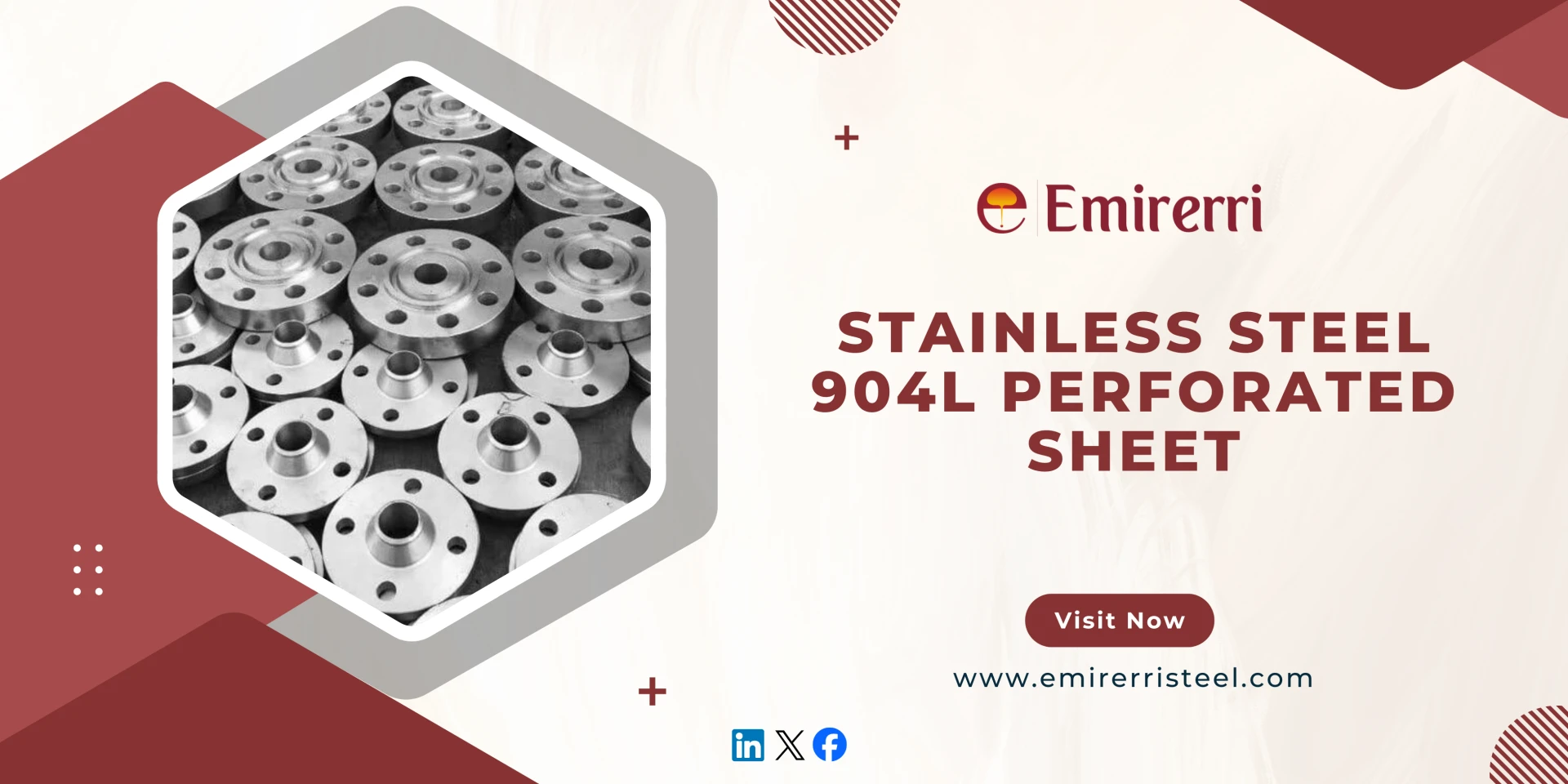
Inconel 625 flanges are high-performance components manufactured from a nickel-based superalloy known for its exceptional strength and corrosion resistance. These flanges are commonly used in industries where extreme temperature and pressure are constant challenges such as aerospace, marine engineering, power generation, and chemical processing.
Unlike conventional alloys, Inconel 625 maintains its mechanical integrity even in highly oxidizing and reducing environments. Its durability and reliability make it a preferred material for connecting pipes, valves, and other components in demanding industrial systems.
Composition and Structure of Inconel 625
The unique properties of Inconel 625 stem from its precise blend of elements. The alloy contains a high percentage of nickel and chromium, along with molybdenum and niobium, which significantly enhance its resistance to corrosion and oxidation.
Typical composition of Inconel 625:
- Nickel (Ni): 58% minimum
- Chromium (Cr): 20–23%
- Molybdenum (Mo): 8–10%
- Niobium + Tantalum (Nb + Ta): 3.15–4.15%
- Iron (Fe): 5% maximum
This composition provides a combination of high strength and excellent fatigue resistance.
Key Features of Inconel 625 Flanges
- Superior Corrosion Resistance: Offers outstanding protection against chloride-ion corrosion, seawater, and acidic environments.
- High Temperature Performance: Retains its strength from cryogenic temperatures up to 1000°C (1832°F).
- Excellent Weldability: Can be easily welded without post-weld heat treatment.
- Fatigue and Creep Resistance: Performs reliably under cyclic loads and high stress.
- Low Maintenance: Long service life reduces replacement costs and downtime.
These characteristics make inconel flanges indispensable for industries where both safety and performance are critical.
Inconel 625 Flanges Pressure Rating
At room temperature (100°F), the approximate ratings are:
- Class 150: up to 285 psi
- Class 600: up to 1480 psi
- Class 1500: up to 3705 psi
As temperature increases, pressure tolerance slightly decreases, but Inconel 625 maintains far higher strength compared to stainless or carbon steels. This makes it ideal for deep-sea and high-pressure applications such as offshore oil rigs, chemical reactors, and heat exchanger systems.
Is Inconel 625 a Stainless Steel?
Many people often ask, “Is Inconel 625 a stainless steel?”
The simple answer is no — Inconel 625 is not a stainless steel.
While both materials contain chromium and offer corrosion resistance, their base elements differ. Stainless steel is primarily iron-based, whereas Inconel 625 is a nickel-based superalloy.
Key distinctions:
- Stainless steel may corrode or lose strength in acidic or marine conditions, while Inconel 625 remains stable.
- The nickel matrix in Inconel provides superior resistance to pitting, crevice corrosion, and stress cracking.
Hence, Inconel 625 is considered a more advanced alloy than traditional stainless steels for high-demand applications.
Difference Between Inconel 600 and 625
Both Inconel 600 and Inconel 625 are part of the same alloy family, but their compositions and performance characteristics differ notably.
Property
Inconel 600
Inconel 625
Main Elements
Nickel, Chromium, Iron
Nickel, Chromium, Molybdenum, Niobium
Strength
Moderate
Higher tensile and yield strength
Corrosion Resistance
Good
Excellent, especially in chloride-rich environments
Temperature Range
Up to 1150°C
Up to 1000°C
Applications
Heat exchangers, furnace components
Marine, chemical, aerospace, and offshore industries
The key difference between Inconel 600 and 625 is the presence of molybdenum and niobium in 625, which significantly enhances its strength and resistance to localized corrosion. This makes Inconel 625 more suitable for harsh and aggressive operational environments.
Applications of Inconel Flanges
Inconel flanges are used in a wide range of industries that operate under severe conditions:
- Marine and Offshore: Subsea pipelines, risers, and seawater cooling systems.
- Aerospace: Jet engine exhausts, turbine blades, and combustion chambers.
- Chemical Processing: Reactors, heat exchangers, and acid-handling systems.
- Power Generation: Steam lines, turbine housings, and boiler feed systems.
- Desalination Plants: Equipment exposed to brine or saline water.
The reliability and toughness of these flanges ensure safe operation and minimal maintenance in environments where failure is not an option.
Why Choose Inconel 625 Flanges?
Choosing Inconel 625 flanges means choosing long-term performance. These flanges deliver unmatched resistance to oxidation, corrosion, and fatigue. Their pressure-handling capability makes them a trusted solution for connecting pipes and machinery in extreme conditions. The alloy’s ability to resist both heat and chemical attack provides engineers with confidence in performance and safety.
Conclusion
Inconel 625 flanges stand out as one of the most reliable materials for high-temperature and high-pressure applications. They offer exceptional strength, corrosion resistance, and durability, making them indispensable in critical industries .