



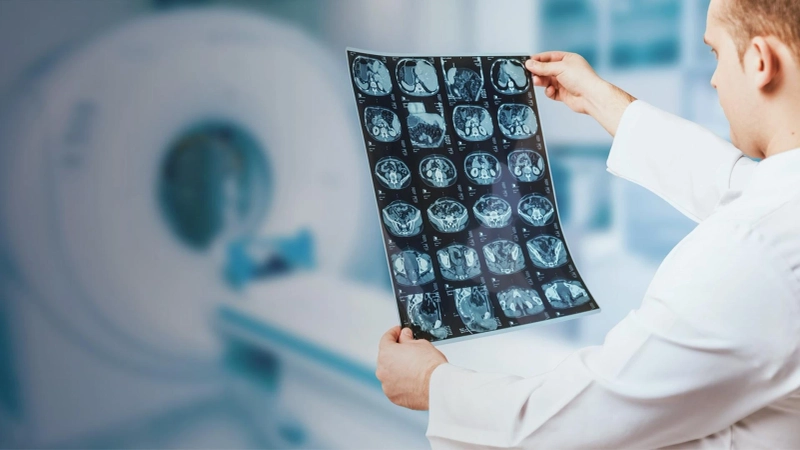
Radiology has become an integral part of modern medicine, enabling healthcare providers to diagnose and monitor a wide range of conditions. If you are considering a career in radiology or wish to specialize further in this field, enrolling in a radiology course is an essential step. In this article, we’ll explore the radiology course details, including the key subjects and topics that are covered in these programs. This will give you a better understanding of what to expect from a course and how it can help shape your career in medical imaging.
Core Subjects and Topics in a Radiology Course
1. Human Anatomy and Physiology
A solid understanding of human anatomy is critical for anyone working in radiology. In these courses, students are introduced to the structure of the human body, focusing on how different organs and systems appear on imaging studies. This foundational knowledge is essential for interpreting radiological images accurately. Whether you're looking to specialize in MRI or X-rays, having a strong grasp of anatomy is key to identifying abnormalities and diseases in patients.
2. Radiologic Physics
Radiology isn’t just about interpreting images – it’s also about understanding the physics behind them. Radiology courses often delve into the physics of radiation, helping students understand how different imaging techniques, such as X-rays, CT scans, and MRIs, produce images. This knowledge also extends to radiation safety protocols, ensuring students know how to protect themselves and patients from unnecessary exposure.
3. Imaging Techniques
One of the primary components of a radiology course is learning about different imaging modalities. Topics covered include:
- X-rays and their role in diagnosing fractures, infections, and more
- CT Scans for detailed cross-sectional images of organs and tissues
- MRI, which uses magnetic fields for soft tissue imaging
- Ultrasound, commonly used for imaging organs like the liver and kidneys
These techniques are crucial in various specialties, and understanding them thoroughly is essential for those aiming to specialize in one of these imaging methods.
4. Radiological Diagnosis and Interpretation
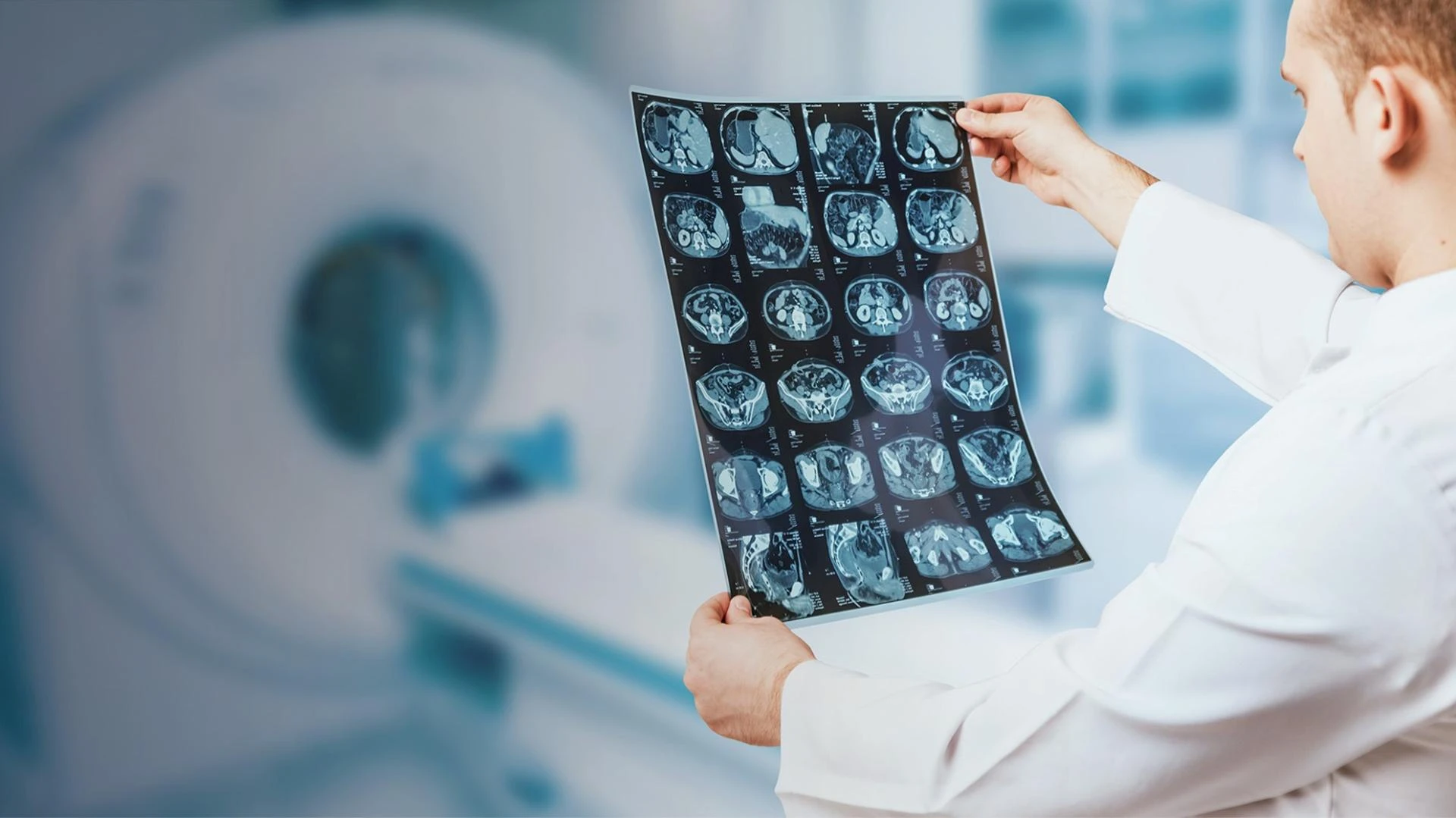
The heart of a radiology course is learning how to interpret medical images to detect and diagnose diseases. In these courses, students gain hands-on experience working with real case studies to analyze images and make diagnoses. Radiology professionals must develop sharp skills in differentiating between normal and abnormal findings, and this section of the course teaches just that.
5. Radiology Safety and Patient Care
As with all healthcare fields, patient safety and care are paramount in radiology. Radiology students are taught how to handle patients, ensure their comfort during imaging procedures, and follow safety protocols to minimize risks. Understanding radiation protection and maintaining a safe environment for both patients and healthcare professionals is a major part of any radiology training program.
6. Ethics and Professionalism in Radiology
Radiologists are often the first to spot life-threatening conditions through medical imaging, so professionalism and ethical conduct are emphasized in radiology training. Students learn how to maintain patient confidentiality, communicate results effectively with healthcare teams, and follow ethical standards in all aspects of patient care.
Duration and Structure of Radiology Courses
The radiology course duration varies depending on the type of program. For those pursuing a basic certificate or diploma, the duration might range from a few months to a year. More advanced degree programs may take several years to complete. For those interested in specific areas of radiology, such as interventional radiology, the program might be longer or require additional specialized training.
For professionals looking to advance their knowledge without interrupting their careers, online radiology courses offer flexibility. These programs allow students to study at their own pace and from the comfort of their home, which is a major advantage for those already working in healthcare.
Costs Involved in Radiology Education
The radiology courses fee can vary significantly based on the type of institution, location, and course length. Certification programs tend to be more affordable, while degree courses may have higher costs. It’s important to research various options to find a program that fits your budget. Additionally, many schools offer financial aid or scholarships to help offset the radiologist course fees.
It's also important to consider additional costs such as textbooks, lab fees, and certification exam fees when planning for your radiology education.
Eligibility for Radiology Courses
The radiology courses eligibility typically require candidates to have a background in medicine, with many programs offering advanced training for those who have completed an MBBS or a similar medical qualification. However, there are also courses available for individuals looking to gain foundational knowledge in radiology, such as online radiology courses aimed at allied healthcare professionals.
For medical graduates, pursuing a radiology course after MBBS provides an opportunity to specialize in this critical area of medicine, enhancing career prospects and opening doors to specialized roles within radiology.
Conclusion
Radiology is a rapidly growing field with significant advancements in technology, making it an exciting and essential part of modern healthcare. By enrolling in a radiology course, you gain not only technical knowledge of imaging modalities but also the skills necessary to interpret and diagnose based on those images. The radiology course details highlight the wide range of subjects covered, from radiologic physics to patient care, ensuring you’re well-prepared for a successful career in this dynamic field.
To explore more about the available courses and start your journey toward specialization in radiology, visit OC Academy's Radiology Courses.