



Replacing multiple missing teeth is essential not only for restoring your smile but also for maintaining proper bite alignment and long-term oral health. In 2026, patients have more tooth replacement options than ever before, with implant-supported bridges and traditional dental bridges being two of the most common solutions. Understanding the differences between these options can help you make an informed decision. A trusted San Jose dentist can guide you toward the right solution based on your needs, oral health, and long-term goals.
What Is a Traditional Dental Bridge?
A traditional dental bridge replaces one or more missing teeth by anchoring an artificial tooth to the natural teeth on either side of the gap. These adjacent teeth are reshaped to support dental crowns, which hold the bridge in place.
While dental bridges can restore appearance and basic function, they rely heavily on surrounding teeth. A knowledgeable San Jose dentist often explains that this dependence can impact the health of otherwise healthy teeth over time.
What Are Implant-Supported Bridges?
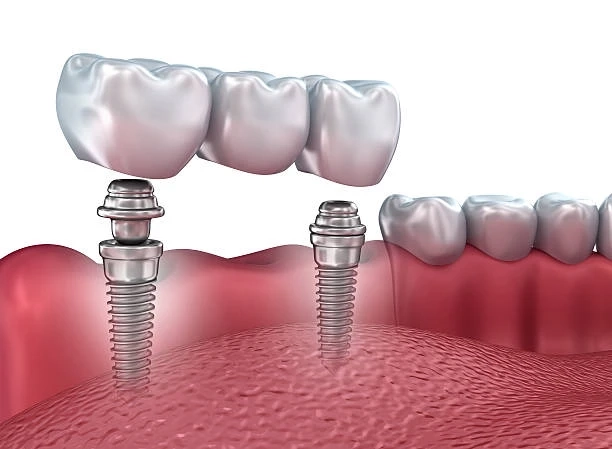
Implant-supported bridges are anchored to dental implants rather than natural teeth. Dental implants are surgically placed into the jawbone, acting as artificial tooth roots that provide a stable foundation for the bridge.
Patients considering implant-supported bridges in San Jose often prefer this option because it does not require altering healthy neighboring teeth.
Stability and Function
One of the biggest differences between implant bridges and traditional dental bridges is stability. Traditional bridges rely on adjacent teeth and may loosen or shift over time, especially if those teeth weaken.
Implant-supported bridges offer exceptional stability because they are securely anchored into the jawbone. A skilled San Jose dentist may recommend implants for patients seeking a solution that feels and functions more like natural teeth.
Impact on Jawbone Health
Traditional dental bridges do not stimulate the jawbone beneath the missing tooth area. Over time, this can lead to bone loss, which may affect facial structure and oral health.
In contrast, implant-supported bridges in San Jose help preserve bone density by stimulating the jawbone, just like natural tooth roots. This makes them a superior long-term option for maintaining facial structure.
Longevity and Durability
Dental bridges typically last 7–10 years with proper care, but they may require replacement due to wear or damage to supporting teeth.
Implant-supported bridges are designed to last much longer. With good oral hygiene and regular dental visits, they can serve patients for decades. A trusted San Jose dentist often highlights longevity as a major advantage of implant-based solutions.
Oral Hygiene and Maintenance
Traditional bridges can make cleaning more challenging, as flossing underneath the bridge requires special tools. Poor cleaning can increase the risk of decay and gum disease around the supporting teeth.
Patients with implant-supported bridges find maintenance easier, as implants function independently and do not trap plaque in the same way.
Cost Considerations
Traditional dental bridges generally have a lower upfront cost, making them appealing for short-term needs. However, replacement costs and potential damage to surrounding teeth can add up over time.
Although implant-supported bridges in San Jose require a higher initial investment, a dentist may recommend them as a more cost-effective long-term solution.
Choosing the Right Option
The right tooth replacement option depends on factors such as bone health, budget, and long-term expectations. Some patients may benefit from traditional bridges, while others are ideal candidates for implants.
By consulting with an experienced dentist, patients can explore personalized treatment plans and choose a solution that supports lasting oral health and confidence.
Making an Informed Decision
Both implant-supported bridges and traditional dental bridges restore function and appearance, but implant-supported bridges offer superior stability, bone preservation, and longevity.
With professional guidance from a San Jose dentist, patients can confidently select the tooth replacement option that right fits their lifestyle and oral health goals in 2026.