



Liver transplant operation is the medical procedure to replace a damaged or destroyed liver with a “new” healthy liver either from a deceased person or from one\'s own liver. There is a close link between hypertension and liver transplantation which is concerned with overall survival and also promotes impaired graft.
What is Hypertension:
Hypertension is another name for high blood pressure. Hypertension is a serious complication that leads to an increased risk of cardiovascular diseases such as stroke, heart disease, and sometimes death.Arterial hypertension (AH) occurs often after transplantation and there is a close link between these two. AH may occur after any transplant, be it solid organ such as cardiac, renal, pancreatic, pulmonary, and hepatic and as well as in bone marrow transplant.
The presence of AH has shown a considerable increase in the beginning or at a later stage after the procedure since the introduction of calcineurin inhibitors. With the use of drugs namely cyclosporine and tacrolimus, AH is observed in 50-80% of transplanted patients.Hypertension is the risk associated with cardiovascular that influences the survival of the patient.
It is observed through research that hypertension among liver transplant patients after one month of transplant is high. There was a decrease in blood pressure of liver transplant patients.Calcineurin Inhibitors: (CNIs)
Over the period of time, it has been observed that CNIs have become the foundation of transplant immunosuppression but sadly they are related to AH and other risks. The pervasiveness of hypertension in transplanted patients treated with CNI is high, ranging between 70-90%.Corticosteroids:
Corticosteroids are the drug that may impact the development of post-transplant AH so much that the daily dose including treatment for graft rejection. If taken in high doses it may result in serious complications. The post-transplant relation between hypertension and corticosteroids has been estimated at 15%.The initial approach to transplanted hypertension inpatient:
Once the diagnosis of hypertension in a transplanted patient has been made, a comprehensive medical history needs to be included along with information regarding the usage of drugs such as contraceptives, and others. Initial diagnosis testing includes a liver panel, blood urea nitrogen, serum creatinine, and sodium.
Problems after liver transplant:After a liver transplant, patients might experience certain risks and complications such as infection such as urine, in the chest and wound, rejection of the “new” liver, blood clotting, relapse of the disease, and if untreated, it may lead to graft failure and mortality. Some complications are minor while some can be life-threatening. Hence, close follow up of the patients is vital after the transplantation.
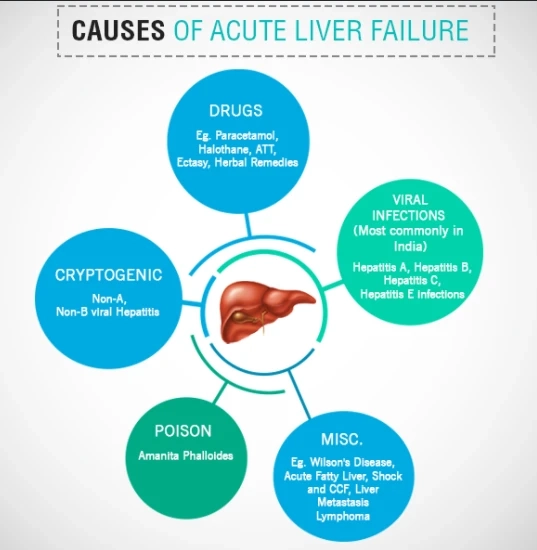
Problems after liver transplant may soon arise after the surgery. Some of the problems include bleeding, kidney problems, bile leakage, blockage of blood supply to the liver, rejection of the new liver, infection, changes in the sleeping habit, depression, and anxiety.Acute liver failure is the failure of the liver to function properly which happens quickly- say in a few days or weeks. It is commonly caused by hepatitis drugs or viruses, an overdose of acetaminophen (painkiller), ingestion of poisonous mushrooms, or any drug reaction. Acute liver failure is less common than chronic liver failure which takes place slowly in years or months.
Acute liver failure or sudden liver failure may cause serious complications such as excessive bleeding and increased pressure in the brain. Sudden liver failure is a rare condition. Although, it may be reversed with the help of an effective treatment. However, in the majority of cases, a liver transplant is the only solution.
Following are the symptoms of sudden liver failure:
Diarrhea
Fatigue
Nausea
Loss of appetite
Confusion
Not sleepy
Bleeding or bruising easily
Jaundice
Puking blood
The build-up of fluid in the abdomen
Discomfort below the ribs
Liver transplant operation is the procedure to remove the damaged liver and replace it with a normal healthy liver. The surgery takes about 6-18 hours to complete the medical procedure of liver transplant. At least 3 surgeons, 2 anesthetics, and 6 nurses are needed to carry out the operation.
Conclusion:It is seen that hypertension is often neglected in transplant patients which must be a serious concern due to its high prevalence and association with graft failure and overall survival rate. Hence, diagnosis needs to be done as early as possible soon after the transplant.
It is observed that Blood Pressure Monitoring is a useful tool for daytime BP diagnosis and follow-up in patients after the transplant. There is going to be a further survey on the diagnosis of hypertension and its adequate treatment.