



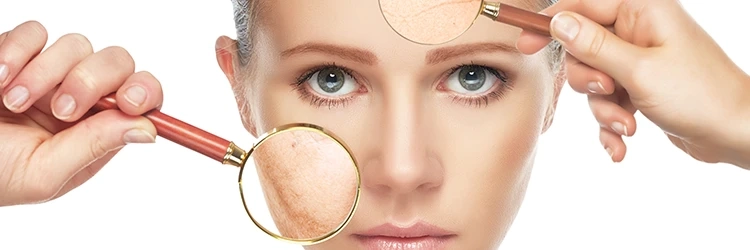
Acne is one of the most common skin conditions affecting people of all ages, especially teens and young adults. It can take a toll on self-esteem, interfere with daily life, and even leave permanent scars if not treated properly. While over-the-counter treatments may work for some, persistent or severe cases require professional care. That’s where dermatologists step in—with the training, experience, and tools to address acne at its root cause, not just the surface symptoms. If you're struggling with acne, seeing a dermatologist may be the best decision you can make for clearer, healthier skin.
Understanding Acne and Its Causes
Acne occurs when hair follicles become clogged with oil and dead skin cells. This creates an environment for bacteria to grow, leading to inflammation, pimples, blackheads, whiteheads, and sometimes cysts. Hormonal changes, diet, stress, certain medications, and improper skincare routines can trigger or worsen acne.
Many people try home remedies or over-the-counter creams before seeking professional help. While some of these methods may offer temporary relief, they often fail to address the deeper causes of acne. That’s where dermatologists provide a more personalized, long-term approach to skincare.
Personalized Diagnosis and Treatment Plans
One of the biggest advantages of seeing a dermatologist is receiving a tailored treatment plan based on your specific skin type, acne severity, and underlying causes. Dermatologists begin by assessing your skin through a physical exam and often ask about your medical history, lifestyle, and current skincare routine. This allows them to pinpoint potential triggers and determine the type of acne you’re experiencing—whether it’s comedonal (blackheads and whiteheads), inflammatory (pustules and papules), or cystic (deep, painful lesions).
Once the diagnosis is made, the dermatologist can recommend a targeted treatment plan. This may include:
Topical Treatments: Prescription creams or gels containing ingredients like retinoids, benzoyl peroxide, or antibiotics.
Oral Medications: For moderate to severe acne, oral antibiotics, hormonal treatments (like birth control pills), or isotretinoin (commonly known as Accutane) may be prescribed.
In-Office Procedures: Chemical peels, laser therapy, light-based therapies, or extractions can help manage stubborn acne and improve skin texture.
Skincare Recommendations: Dermatologists also help you build an effective skincare routine, choosing products that won’t clog pores or irritate sensitive skin.
Monitoring Progress and Adjusting Treatment
Acne treatment is rarely a one-time fix. Dermatologists monitor your skin’s response to treatment and make necessary adjustments. What works for one person might not work for another, and a professional knows how to switch or combine treatments to optimize results safely.
Regular follow-ups ensure the treatment remains effective and any side effects are managed promptly. Consistent care is one key to long-term acne management and preventing future breakouts.
Why Choose Dermatology Associates?
When dealing with a stubborn or complex skin condition like acne, choosing the right specialist matters. Dermatology Associates is a trusted name in skincare, known for offering comprehensive and compassionate dermatological care. With a team of board-certified professionals and access to advanced treatments, they help patients of all ages manage acne with confidence and comfort.
Their patient-focused approach means you’ll receive a thorough consultation, customized care plan, and ongoing support throughout your skincare journey. Whether your acne is mild or severe, Dermatology Associates ensures you're never alone in the fight for clear, healthy skin.
Acne may be common, but it mustn’t be a lifelong struggle. Dermatologists offer expert diagnosis, proven treatments, and personalized care far beyond what over-the-counter products can provide. With early intervention and the right support, achieving clear skin and restoring your confidence is possible. Don’t wait for acne to get worse—schedule a visit with a dermatologist and take the first step toward lasting skin health.