



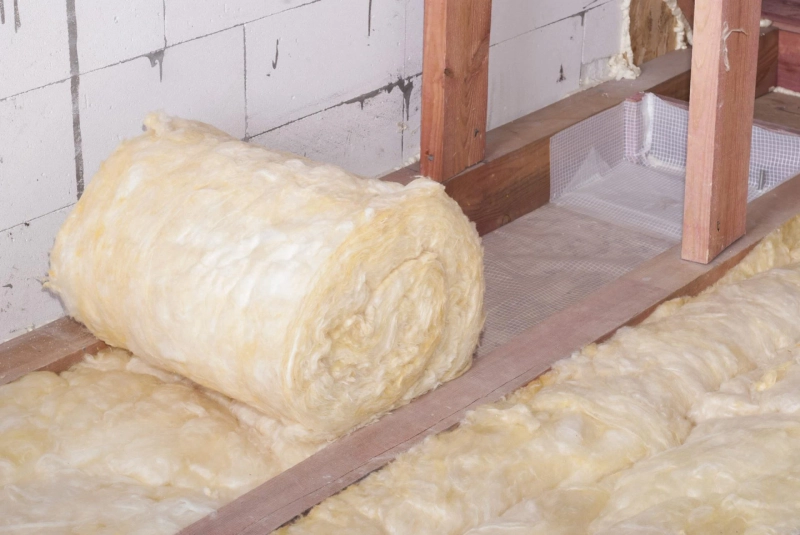
Mineral wool, often referred to as rock wool or stone wool, is used in homes and by professional insulation contractor in buildings for performance efficiency. While it’s best known for its fire resistance and thermal insulation, many property owners are more interested in its ability to reduce indoor noise. Whether you're working from home, sharing walls with tenants, or managing a building with frequent foot traffic, sound control matters. This article explains how mineral wool works as a sound-blocking insulation and where it’s most effective.
How Mineral Wool Blocks Sound
Mineral wool absorbs sound energy and helps slow down noise transfer between spaces. Its fibrous, open structure allows it to trap airborne sound and reduce echoes.
Sound moves through walls in two main ways: airborne noise and structure-borne vibrations. Airborne noise includes talking, television, or barking dogs—anything that moves freely through the air. Structure-borne sound travels through the physical components of a building, like wood framing or ductwork. Mineral wool is designed to disrupt these paths, especially airborne sound.
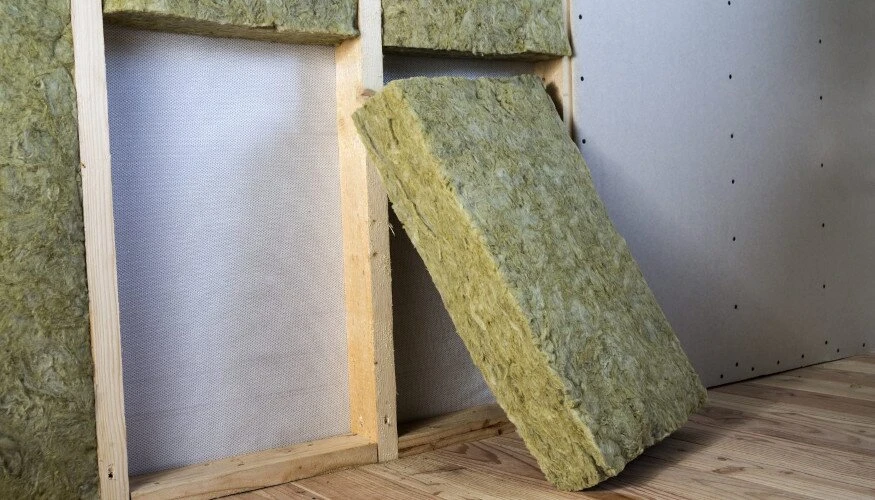
The structure of mineral wool resembles dense mats of fine, interwoven fibers. As sound waves hit these fibers, the material slows them down, weakens their energy, and converts some of it into heat. This process helps reduce reverberation in wall cavities and limits how much noise passes from one room to another.
Best Places to Use Mineral Wool for Sound Reduction
Mineral wool performs best when used inside wall cavities, above ceilings, and between floors. Its effectiveness depends on placement and how the surrounding assembly is constructed.
In interior walls, mineral wool helps limit everyday noise between rooms. This is especially useful for bedrooms near common areas, home offices, or between apartments. When installed snugly between studs, it fills the airspace where sound waves would normally bounce freely. While it won’t create a soundproof wall on its own, it makes a noticeable difference.
Above ceilings, particularly in multi-story buildings, mineral wool blocks airborne noise from footsteps, voices, or electronics. If installed between floor joists, it can reduce both airborne and impact noise. For added effectiveness, it's often paired with other sound-dampening methods like resilient channels or floating flooring.
In mechanical rooms or around ductwork and plumbing chases, mineral wool reduces the spread of vibration and humming sounds. Wrapping pipes or enclosing them inside insulated framing stops structure-borne sound from spreading through floors or ceilings.
Mineral Wool vs. Other Acoustic Insulation Options
Mineral wool outperforms many standard insulation materials in acoustic applications, especially fiberglass. The table below compares key characteristics that affect sound control:
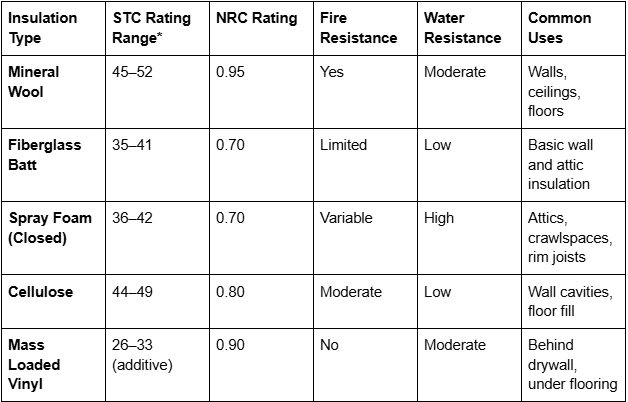
*STC = Sound Transmission Class; NRC = Noise Reduction Coefficient
Mineral wool’s higher NRC means it absorbs more sound within the wall cavity, while a higher STC means it reduces sound moving through the wall. Compared to fiberglass, mineral wool offers more density and better mid-to-high frequency noise absorption. While spray foam can offer thermal benefits, it lacks the acoustic performance of mineral wool in open cavities.
Factors That Influence Mineral Wool’s Sound Performance
Several factors determine how effectively mineral wool blocks sound:
- Material Density
- Higher-density mineral wool performs better at reducing sound transmission.
- Standard options include 3-inch batts at 4 pounds per cubic foot for residential or office use.
- Specialized applications, such as studios or theaters, may benefit from 6- to 8-pound-per-cubic-foot batts.
- Wall Assembly Design
- Gaps or penetrations—such as around outlets or switches—allow sound to leak through.
- Acoustic sealant should be applied around all openings and at the perimeter of drywall.
- Advanced wall assemblies with staggered or double studs, resilient channels, or double drywall layers improve isolation.
- Installation Quality
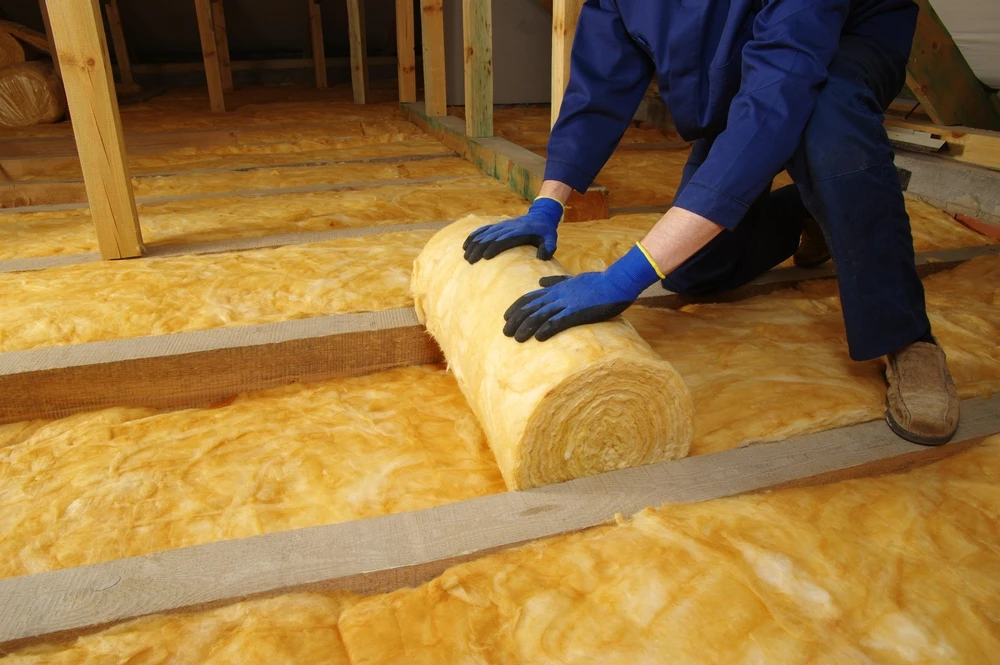
- Mineral wool must fully fill the cavity to work properly—no compression, no gaps.
- Poor installation leaves voids that reduce acoustic performance.
- Professional installation ensures consistent coverage and alignment with other soundproofing methods.
Can Mineral Wool Alone Soundproof a Room?
Mineral wool contributes significantly to a quieter space but won’t fully soundproof a room on its own. In most standard wall or ceiling assemblies, it cuts down airborne sound, making everyday life more comfortable—less TV bleed-through, quieter conversations, and fewer complaints in multi-unit settings.
For situations where near-complete isolation is needed—such as home theaters, studios, or conference rooms—mineral wool is only one part of a solution. Effective soundproofing in these cases requires added mass (like double drywall), mechanical isolation (like clips or channels), and sealing every gap. Mineral wool supports these techniques, but by itself, it reduces sound rather than eliminates it.
Conclusion
Mineral wool Insulation contractor performs well in reducing unwanted indoor noise. Its dense, absorbent structure is designed to block airborne sound between rooms, between floors, and inside mechanical chases. Compared to fiberglass, it offers improved acoustic absorption and greater reliability in real-world conditions.
That said, its sound-blocking performance depends heavily on installation quality and surrounding construction. While it isn’t a stand-alone solution for full soundproofing, it plays a key role in a broader strategy. For most residential and commercial uses—especially where mid-range frequencies are a concern—mineral wool delivers practical sound control in walls, ceilings, and floors.
FAQs
Does mineral wool reduce noise better than fiberglass?
Yes. Mineral wool is denser and more absorptive than fiberglass, which helps it perform better at reducing mid- and high-frequency airborne noise.
Can mineral wool stop sound between floors in a duplex?
It can reduce it, especially when installed between joists. For impact sound like footsteps, additional solutions like resilient channels or floating floors are needed.
Is mineral wool good for soundproofing home offices?
Yes. Installing it inside walls can noticeably reduce sound transmission between rooms, making it a good choice for quiet work environments.
Does mineral wool need to be sealed with other materials to block sound fully?
Yes. To maximize effectiveness, use it alongside sealed drywall, acoustic caulk, and other sound-isolation techniques. On its own, it improves—but doesn’t eliminate—noise transfer.
What’s the best way to install mineral wool for sound?
Fit it snugly between framing members without compressing it, and make sure all gaps are sealed. Combine it with other materials for best results.
Author: With over two decades of hands-on experience, Robert Lamothe, owner and lead installer of Lamothe Insulation, brings unparalleled expertise in spray foam insulation, carpentry, and building science. Since 2002, he has earned a reputation for precision, quality craftsmanship, and delivering energy-efficient solutions that stand the test of time. Lamothe Insulation is a family-owned and family-operated business, and Robert also owns the Goddard School of Auburn, an early childhood education school.
Reviewer: Ethan Taylor has 8 years of experience in spray foam insulation. He reviewed this content and suggested ways to simplify business outreach while keeping trust and professionalism intact.