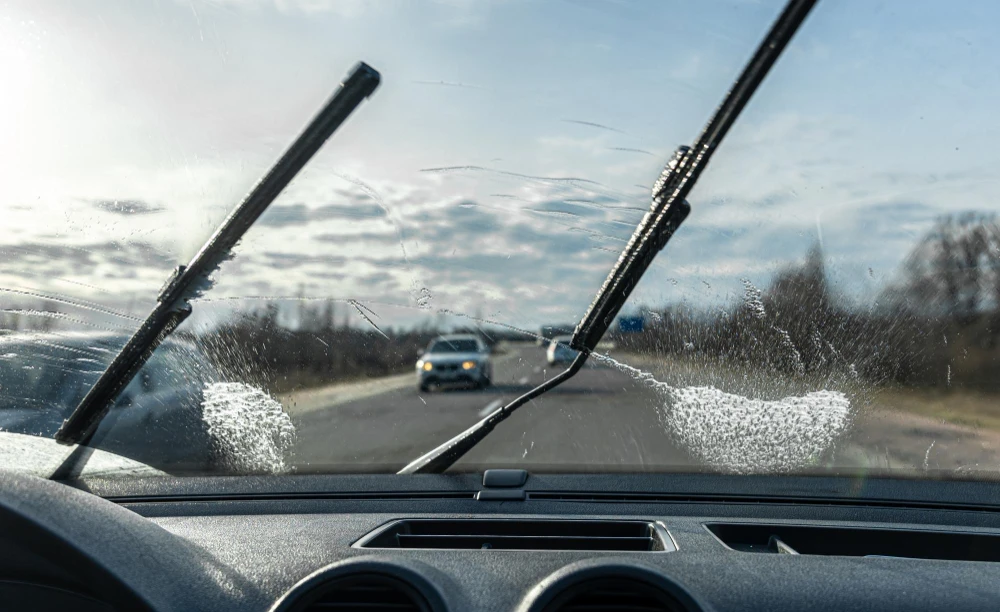
Your car windscreen is one of the most important safety components of your vehicle, providing visibility, structural support, and protection from external elements. However, many drivers overlook how weather conditions can affect the health and durability of the windscreen. Sudden temperature changes, extreme heat, cold winters, heavy rains, storms, and UV exposure can all cause damage that weakens glass over time.
High-quality Car Windscreen Wipers ensure clear visibility during rain, fog, or snow, keeping your drive safe and stress-free. Built with durable materials, they provide smooth, streak-free wiping action. Investing in premium wipers enhances performance, lasts longer, and protects you from unexpected weather challenges on the road.
When a windscreen becomes compromised, even a minor chip or crack can turn into a major safety hazard. Understanding how weather environments impact your windscreen is the first step in maintaining its strength and clarity.
The Effect of Extreme Heat on Windscreen Glass
Hot weather puts significant pressure on car windscreens, especially during summer when vehicles are left in direct sunlight. Heat causes the glass to expand, and if there are existing small chips or weak points, they may spread into large cracks. The interior temperature of a parked car can reach extremely high levels, causing uneven expansion between the inner and outer layers of laminated glass. Using cold air conditioning immediately after entering a hot vehicle can create a sudden temperature difference that may stress the glass further. Over time, heat damage reduces the structural integrity of the windscreen and increases the chance of breakage, especially when driving at high speeds.
How Cold Weather and Frost Can Damage Your Windscreen
Just like extreme heat can cause expansion, cold weather causes the windscreen to contract, making it more fragile. When temperatures fall rapidly, particularly during winter nights, even minor chips or surface scratches can turn into cracks. Frost and ice buildup on the windscreen early in the morning can be challenging for drivers, leading many to use hot water to melt the ice quickly. Pouring hot water onto a frozen windscreen may cause thermal shock, and the glass can crack instantly due to sudden temperature contrast. Winter windscreens are also affected by road salt and debris from tyres, increasing the risk of impact chips.
Rainy Weather, Storms, and Water Pressure Damage
Although rainwater itself does not harm windscreen glass, stormy weather conditions create situations that can lead to damage. Heavy rains reduce visibility, forcing wipers to run at full speed, which can cause scratches if the blades are worn or if dust particles are stuck beneath them. Strong winds during storms can also carry debris such as stones, branches, or sand that may strike the windscreen and leave impact marks. When water seeps into small cracks or chips, it may weaken the laminated structure. In some cases, water leakage around the windscreen seal can cause fogging from inside, affecting visibility and driver safety.
Effects of UV Rays and Sunlight Exposure Over Time
Constant exposure to direct sunlight and harmful UV rays weakens the windscreen gradually. While the laminated glass is designed to resist UV damage, long-term exposure affects both the outer glass layer and the bonding adhesive around the edges. Over time, sunlight causes fading, warping of internal plastic layers, and weakening of the seal. This can also contribute to windscreen distortion or haziness, which makes driving more difficult, especially at night. Severe UV exposure may also reduce the strength of the adhesive that helps hold the windscreen firmly in place, which is essential during accidents or airbag deployment.
The Role of Temperature Changes in Spreading Cracks
The most damaging weather-related factor for windscreens is rapid temperature fluctuation. When the temperature changes suddenly, it forces the glass to expand and contract abruptly. For example, turning on a hot defroster immediately in a frozen car or using ice-cold water to cool a hot windscreen can create stress fractures. Even small cracks become structurally unstable and begin to spread across the windscreen. When temperature changes cannot be avoided, controlled adjustment is essential to protect glass strength.
Buy Kia windscreen wipers designed for perfect fit and reliable performance. These wipers are made to match your vehicle’s standards, ensuring streak-free clarity in all weather. Durable, efficient, and easy to install, Kia windscreen wipers provide safety and confidence every time you drive.
How Humidity and Moisture Create Visibility Concerns
High humidity can cause fogging inside the windscreen, making visibility poor during rainy or cold weather. Condensation forms when the interior air is warm but the windscreen surface is cold. This layer of moisture blocks visibility and forces drivers to use defoggers or air conditioning to balance temperatures. Repeated exposure to moisture may also cause mould growth around rubber seals and contribute to weakening of structural adhesive. Windscreen fogging is a common safety risk, especially during early mornings and late-night drives.
Protecting Your Windscreen from Weather-Related Damage
Although weather conditions are inevitable, proper care and preventive habits can significantly extend the life of your windscreen. Parking your vehicle in shaded or covered areas helps avoid direct sunlight and heat stress, especially during summer. Using a reflective sunshade inside the car can minimize temperature buildup and protect the glass from extreme expansion. During winter, instead of using hot water to remove ice, it is safer to use a de-icer spray or let the car warm gradually from inside. Avoiding sudden air conditioning blasts and adjusting temperature slowly also helps reduce thermal shock.
Importance of Maintaining Windscreen Wipers for Seasonal Protection
Windscreen wipers play a crucial role in protecting visibility during rainy, snowy, and dusty weather. Worn-out wiper blades can scratch the glass surface and reduce clarity, especially during heavy rain. Replacing wipers regularly and cleaning them to remove debris prevents damage caused by scraping motion. During storms or high winds, checking for trapped stones or sand beneath the wiper blades can prevent unnecessary scratches.
Professional Windscreen Inspection and Repair for Weather Damage
Weather damage often begins with microscopic cracks or chips that are not easily visible but grow over time. Regular professional inspection helps identify early signs of stress and prevent larger issues. Repairing a small chip on time can restore structural strength and prevent expensive replacements later. Driving with a damaged windscreen reduces safety during collisions, as the glass supports airbags and contributes to roof stability. Professional repair or replacement is recommended when cracks obstruct vision or extend beyond a small surface area.
Final Thoughts: Proactive Care for Windscreen Longevity
Weather plays an essential role in determining the lifespan and performance of your car windscreen. From scorching heat and freezing winters to storms, heavy rain, and UV exposure, environmental factors affect glass strength, clarity, and durability. Understanding how weather conditions impact your vehicle allows you to take preventive steps to protect the windscreen before damage occurs. Simple habits like controlled temperature adjustments, regular maintenance, wiper care, and prompt repairs can make a significant difference in safety and long-term cost savings. A well-maintained windscreen ensures clear visibility, reduces the risk of accidents, and keeps both driver and passengers safe under all weather conditions.