



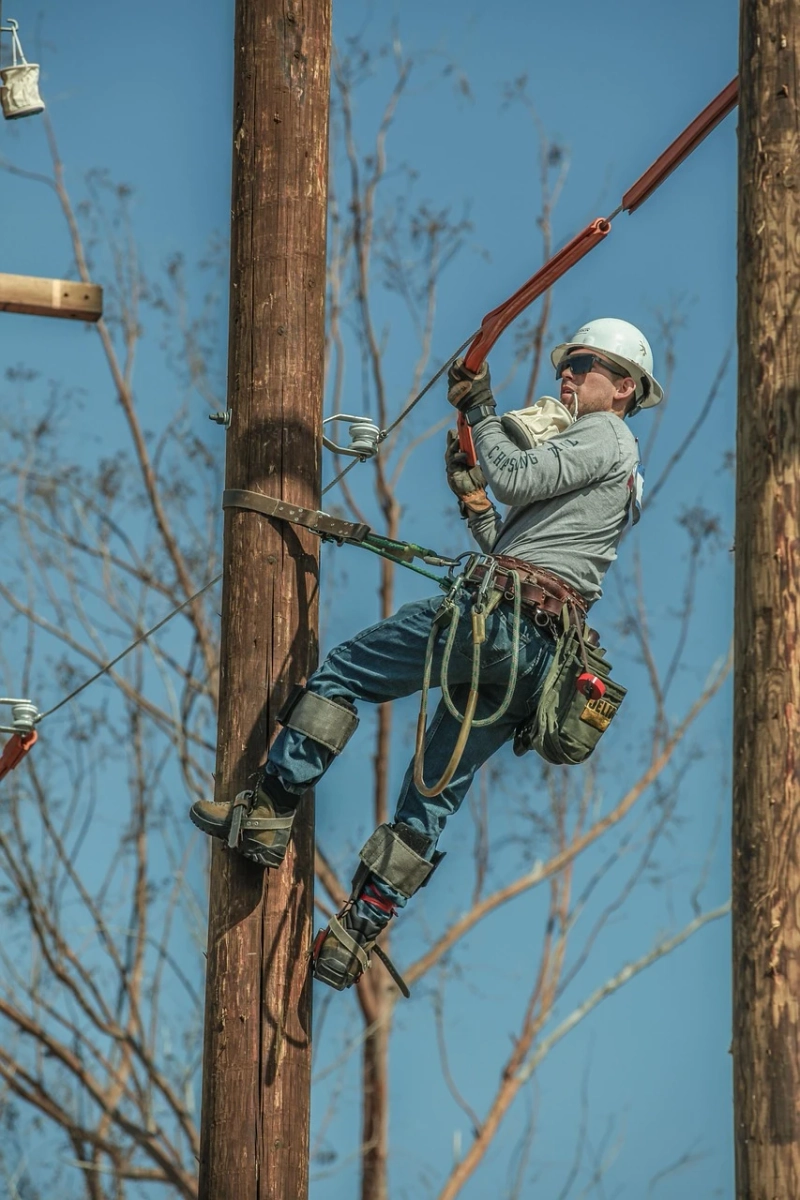
The energy and power industry operates in environments where rapid response and precise decision-making can mean the difference between safety and disaster. Workers face high-voltage equipment, pressurized systems, hazardous chemicals, and complex machinery on a daily basis. Traditional training methods, such as classroom lectures, manuals, or occasional live drills, often fail to provide the hands-on, immersive experience necessary to prepare employees for real emergencies. VR Training for energy & power is increasingly being adopted as a solution to bridge this gap, allowing workers to safely experience and respond to high-risk scenarios in a controlled virtual environment.
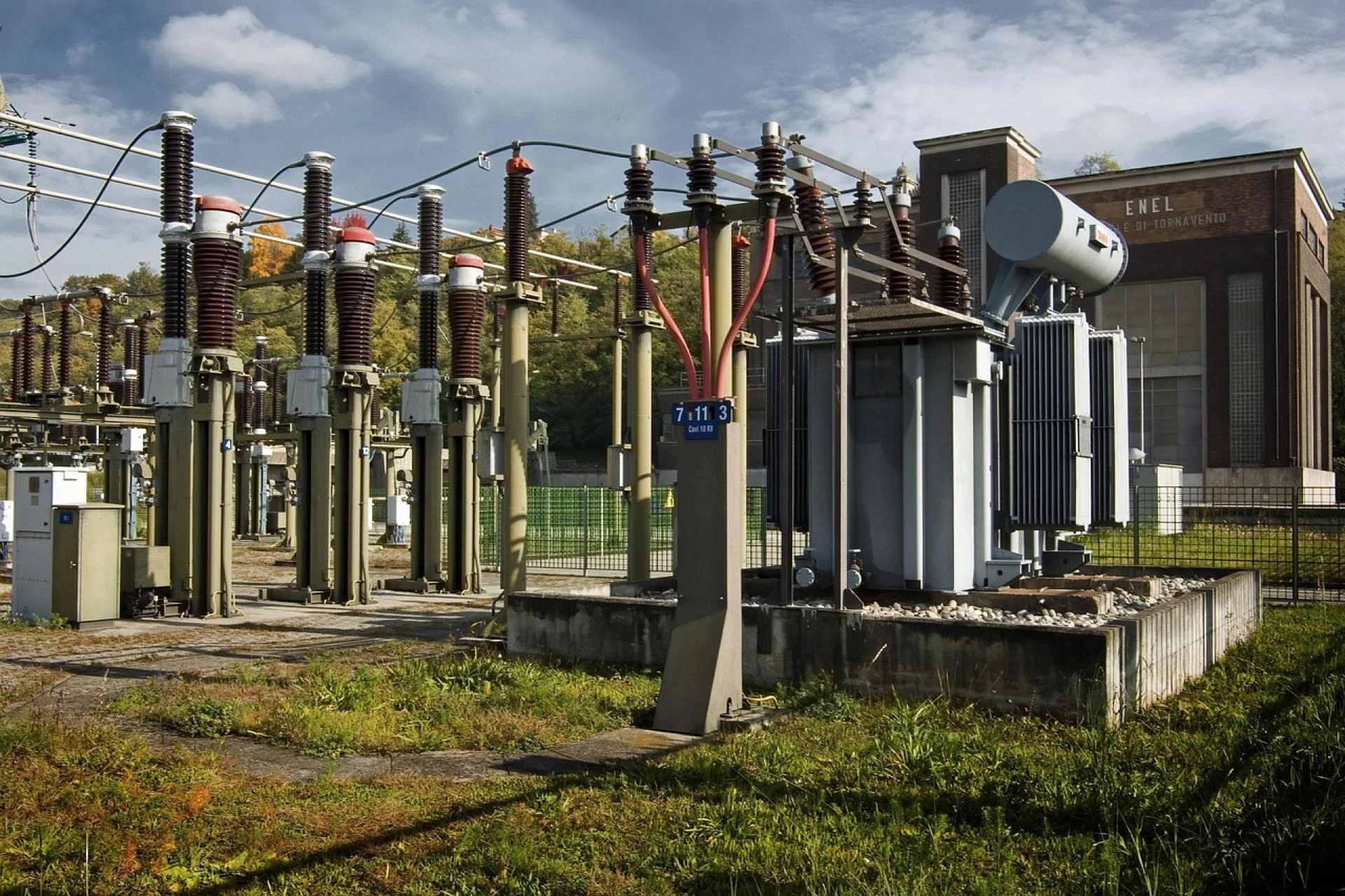
Challenges of Emergency Preparedness in Energy & Power
Energy and power facilities present unique challenges that make emergency preparedness complex:
- High-Risk Equipment: Generators, turbines, transformers, and switchgear require precise handling.
- Hazardous Conditions: Workers are exposed to high voltage, heat, steam, and chemical hazards.
- Emergency Complexity: Fires, explosions, chemical leaks, or equipment malfunctions require immediate, coordinated responses.
- Remote Locations: Employees in offshore plants, substations, or distributed sites have limited access to live training or supervision.
- Varied Experience Levels: Diverse backgrounds mean that employees may have differing skill levels and familiarity with emergency protocols.
These challenges highlight the need for immersive, risk-free, and repeatable training methods to ensure employees can respond effectively under pressure.
How VR Training Enhances Emergency Preparedness
VR Training for energy & power equips workers with the knowledge and experience necessary to respond confidently to emergencies, reducing the likelihood of accidents and improving overall safety.
1. Safe Environment for Risky Scenarios
VR allows employees to interact with high-risk equipment and emergency situations without exposing them to actual danger. Mistakes made in a virtual environment provide valuable learning opportunities rather than real-world consequences.
2. Immersive Scenario-Based Training
VR simulations replicate emergencies such as electrical faults, fire outbreaks, chemical spills, and mechanical failures. Workers experience the urgency and complexity of real-life incidents, helping them develop critical thinking and decision-making skills.
3. Standardized Training Across Locations
Virtual modules ensure consistent emergency training across all facilities, regardless of location. Standardization guarantees that every employee receives the same high-quality instruction and follows uniform safety protocols.
4. Immediate Feedback and Analytics
VR systems provide real-time feedback on user actions, highlighting mistakes and suggesting improvements. Supervisors can use performance data to identify skill gaps and customize future training sessions.
5. Repetition and Confidence Building
Employees can repeat simulations as often as needed, reinforcing correct procedures, building muscle memory, and boosting confidence when facing real emergencies.
Benefits of VR Training for Emergency Response
Implementing VR training for energy and power workers offers numerous advantages:
- Improved Safety Culture: Immersive experiences instill a proactive approach to safety and emergency preparedness.
- Reduced Incidents: Employees trained through VR are less likely to make errors that could escalate into accidents.
- Cost-Effective Training: Reduces the need for live drills, travel, and instructor-led sessions.
- Faster Skill Acquisition: Hands-on virtual experiences accelerate learning and improve knowledge retention.
- Regulatory Compliance: VR modules can be designed to meet industry safety standards and government regulations.
- Operational Readiness: Well-prepared employees respond efficiently to emergencies, minimizing downtime and ensuring continuity of power generation.
Applications of VR Training in Emergency Preparedness
VR training can be applied to various emergency scenarios in energy and power facilities:
- Electrical Fault Response: Simulate high-voltage equipment failures and practice shutdown procedures.
- Fire Drills: Rehearse evacuation routes, containment strategies, and coordination with firefighting teams.
- Chemical Spill Management: Practice handling hazardous substances, containment, and neutralization protocols.
- Mechanical Equipment Failure: Train employees to safely respond to turbine, generator, or boiler malfunctions.
- Team Coordination Exercises: Conduct multi-person simulations to enhance communication and collaborative emergency response
Best Practices for Implementing VR Emergency Training
To ensure maximum effectiveness, energy and power companies should consider the following strategies:
- Focus on High-Risk Scenarios: Prioritize emergencies that have the highest potential for harm or operational disruption.
- Blend Learning Approaches: Combine VR simulations with eLearning, classroom instruction, and supervised on-site exercises.
- Track and Analyze Performance: Use VR analytics to identify skill gaps, monitor progress, and refine training content.
- Encourage Regular Practice: Enable employees to repeat exercises to reinforce procedures and confidence.
- Align with Safety Standards: Ensure VR content meets regulatory requirements and internal safety protocols.
Conclusion
VR Training for energy & power is transforming emergency preparedness by providing immersive, risk-free, and standardized training experiences. Employees gain hands-on experience handling high-risk equipment and responding to complex emergency scenarios, building the skills, knowledge, and confidence needed to prevent accidents and protect themselves and their colleagues. By improving safety culture, reducing incidents, and enhancing operational readiness, VR training offers a practical and effective solution for energy and power companies striving to maintain the highest levels of safety.
To explore more about our work and real-time updates, check out AutoVRse on Twitter, Instagram, and LinkedIn.