
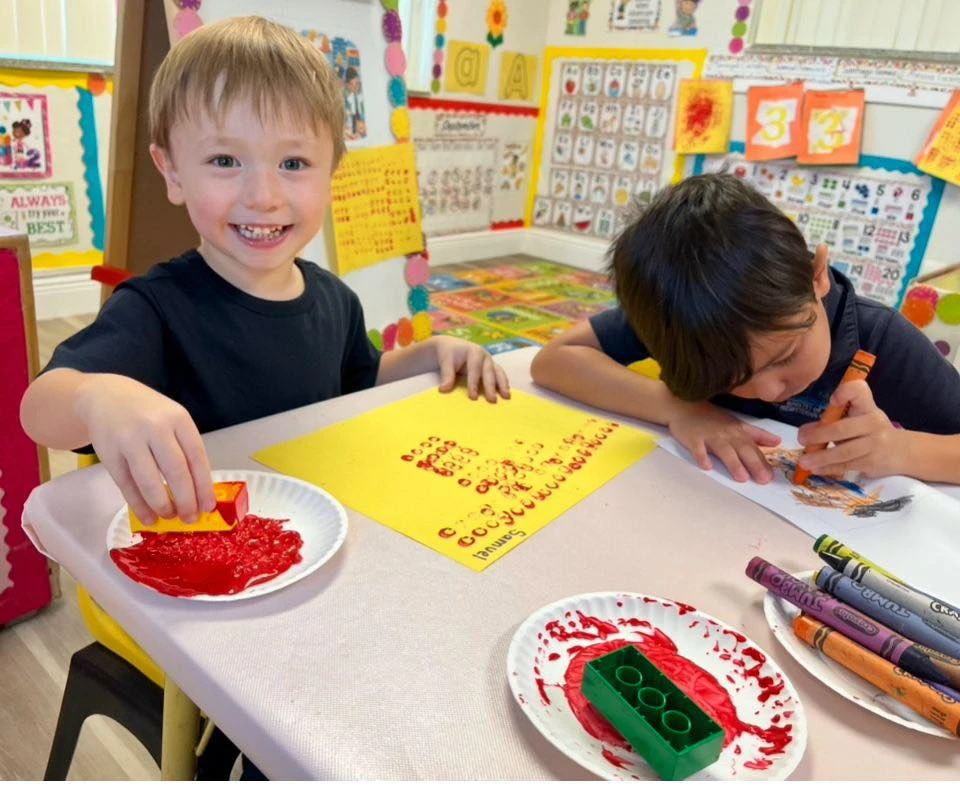
Early childhood is a critical period for building strong literacy and communication skills. During these formative years, children develop vocabulary, listening abilities, and early reading foundations that shape their academic future. The Florida VPK program plays an essential role in preparing young learners for kindergarten by focusing on structured early education combined with engaging classroom activities.
By introducing age-appropriate lessons in phonics, storytelling, and language interaction, VPK classrooms create an environment where children begin to understand how language works. These foundational skills help students transition smoothly into elementary school with confidence and readiness.
Building Vocabulary Through Daily Interaction
One of the most important aspects of early literacy is vocabulary development. In VPK classrooms, children are encouraged to communicate, ask questions, and participate in group discussions. Teachers introduce new words through stories, songs, and interactive conversations.
When children hear and use new words regularly, they expand their understanding of language patterns and sentence structure. This consistent exposure strengthens comprehension and supports early reading readiness.
Phonemic Awareness and Pre-Reading Skills
Phonemic awareness—the ability to hear and identify sounds in words—is a cornerstone of literacy. VPK programs incorporate activities like rhyming games, letter recognition exercises, and sound-matching tasks to help children connect sounds with letters.
These activities may seem simple, but they lay the groundwork for decoding words and reading independently later on. Structured literacy exercises, paired with hands-on activities, help children grasp concepts in a way that feels natural and enjoyable.
The Role of Play in Language Development
Young children learn best through exploration and creativity. That’s why the play-based learning benefits approach is often integrated into VPK classrooms. Through role-playing, storytelling corners, art projects, and group games, children practice communication skills in real-world scenarios.
For example, dramatic play areas encourage children to use descriptive language and express ideas clearly. Cooperative play also helps develop listening skills and conversational turn-taking—both essential for strong language development.
Encouraging Confidence in Communication
Confidence plays a major role in literacy growth. When children feel safe and supported, they are more likely to participate in discussions and attempt new words. VPK teachers foster this confidence by providing positive reinforcement and individualized attention.
Activities like show-and-tell, group storytelling, and collaborative projects give children opportunities to speak in front of peers. These experiences improve clarity of speech and strengthen social communication skills.
Preparing for Kindergarten Success
By the time children complete VPK, they are typically familiar with letters, basic sounds, and early writing skills. They understand classroom routines and can follow instructions, which eases the transition into kindergarten.
Parents seeking quality early education options often explore VPK Hollywood FL programs to ensure their child receives both structured academic preparation and nurturing support. A well-designed VPK experience not only strengthens literacy skills but also builds curiosity, independence, and a lifelong love of learning.