


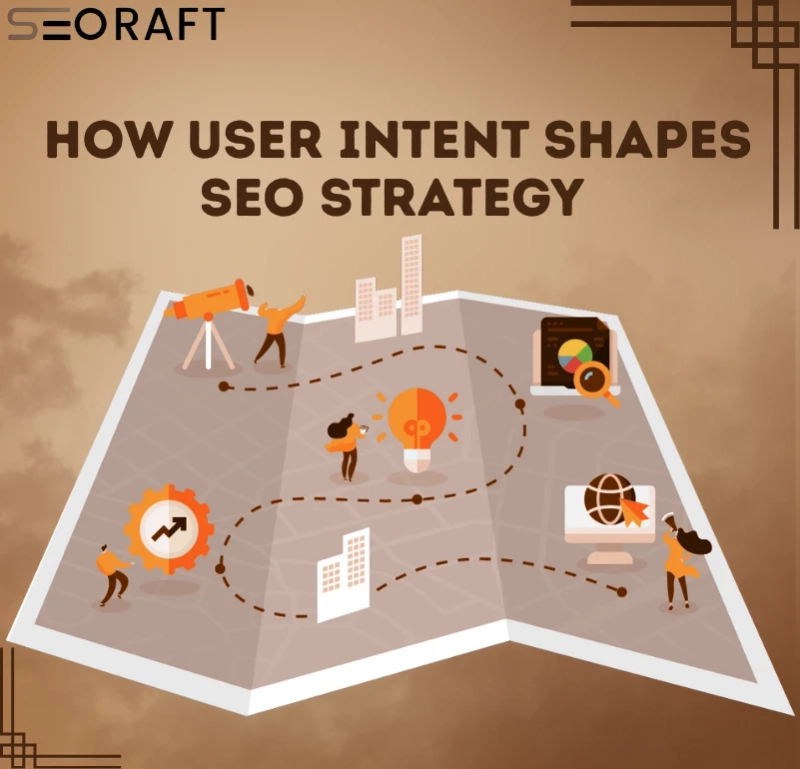
SEO in 2025 isn’t only about keywords or backlinks — it’s about understanding people.
If your content doesn’t match why someone searches, it’s missing the real purpose of SEO. That “why” behind every query is called user intent, and it’s now at the heart of every winning SEO plan.
In this blog, we’ll explain what user intent means, how it has changed, and how you can build an SEO strategy around it to improve rankings and conversions in 2025.
What Is User Intent in SEO?
User intent (also called search intent) is the goal behind a person’s search. It shows what they want to do when they type something into Google.
Examples:
- “Best e-bikes for hills” → commercial intent (they’re comparing before buying)
- “How to fix a flat e-bike tire” → informational intent (they want a solution)
- “Buy e-bike near me” → transactional intent (they’re ready to buy)
In simple terms:
Keywords tell you what users type. Intent tells you what they want.
When you understand that difference, you can create content that fits their stage in the journey — whether they’re just learning, comparing, or ready to purchase.
Why User Intent Matters More in 2025
Search engines are now smarter than ever. With AI models like BERT, MUM, and Gemini, Google focuses more on meaning and context than just exact keywords.
Google’s goal in 2025 is simple:
Show results that best match the user’s intent.
Here’s what makes intent even more important now:
- AI-powered search: Google understands natural language, tone, and purpose behind a query.
- Voice and visual search: People use phrases like “Show me minimalist website designs” instead of typing “minimalist web design examples.”
- Zero-click results: AI Overviews and featured snippets now give instant answers, so your content must be clear, relevant, and valuable right away.
If you focus only on ranking for keywords, you’ll fall behind.
If you focus on intent, you’ll stay ahead.
The Four Main Types of User Intent
1. Informational Intent
People want to learn something. These searches start with “how,” “what,” or “why.”
Examples:
- “How does SEO work?”
- “What is Shopify Plus?”
- “Tips to improve website speed”
Best content: Blog posts, tutorials, explainer videos, or guides.
SEO tip: Offer complete and clear answers — Google rewards helpful and easy-to-read information.
2. Navigational Intent
People are looking for a specific brand or page.
Examples:
- “Seoraft SEO services”
- “Canva templates”
- “Shopify login”
Best content: Brand pages, clear navigation, and internal links.
SEO tip: Make your brand name consistent everywhere — on your website, social media, and listings — so Google connects all mentions to you.
3. Commercial Intent
People are comparing options before buying.
Examples:
- “Best SEO agencies in India”
- “Shopify vs WooCommerce”
- “Top marketing tools for startups”
Best content: Comparison blogs, case studies, and listicles.
SEO tip: Show real examples and honest insights. Build trust with transparency, not hype.
4. Transactional Intent
Users are ready to buy, sign up, or contact you.
Examples:
- “Buy Shopify theme”
- “Hire SEO agency”
- “Book bike tour in Goa”
Best content: Product pages, landing pages, or pricing sections.
SEO tip: Use clear CTAs, quick load times, and persuasive but simple copy.
Looking for expert help? Contact Seoraft, the best digital marketing company, for professional SEO strategies that match every user intent.
How to Identify User Intent Behind Keywords
To understand intent, start with keyword analysis and search results.
1. Check SERP features:
- If you see FAQs or videos → informational intent
- If you see ads or product listings → commercial or transactional intent
- If one brand dominates results → navigational intent
2. Observe the top-ranking content:
- Blogs = users want information
- Product pages = users want to buy
3. Use intent-based keywords:
- Informational: how, what, why, guide
- Commercial: best, compare, vs, top
- Transactional: buy, order, hire, subscribe
Tools like Semrush, Ahrefs, and Google’s People Also Ask help reveal what intent is behind each keyword.
How User Intent Shapes SEO Strategy in 2025
1. Build Topic Clusters Based on Intent
Random blogs no longer work. Successful SEO strategies now organize content around main topics and intent.
Example:
Main topic: “SEO for eCommerce”
- Informational: “What is SEO for Shopify?”
- Commercial: “Best eCommerce SEO agencies”
- Transactional: “Hire SEO agency for online store”
This approach tells Google you’re an expert in that niche.
2. Optimize for AI-Powered Search Results
Google’s AI Overviews show short, direct summaries. To appear there:
- Write clear, short sections that answer common questions
- Add structured data (schema)
- Use simple, natural language
- Include verified facts and sources
Write for both humans and search engines — be clear, conversational, and accurate.
3. Improve User Experience Based on Intent
Even great content fails if it doesn’t meet the user’s needs.
- Informational pages: Make them readable and include visuals.
- Commercial pages: Use tables, reviews, and CTAs.
- Transactional pages: Keep them quick, clean, and mobile-friendly.
Google measures how well your page satisfies the searcher, so focus on engagement and clarity.
4. Match Intent to the Buyer Journey
Funnel StageUser IntentContent TypeAwarenessInformationalBlogs, guides, infographicsConsiderationCommercialCase studies, comparisonsDecisionTransactionalProduct pages, forms, demos
This ensures every page serves a clear purpose — from attracting visitors to converting them into customers.
5. Use Intent Data for Personalization
AI tools now track what users search, read, and click on. You can use this data to:
- Personalize CTAs
- Recommend content based on interest
- Retarget users with relevant offers
Intent-based personalization helps turn searchers into loyal buyers.
Common SEO Mistakes to Avoid
- Targeting keywords without checking intent
- Writing for algorithms instead of people
- Ignoring what happens after a user clicks
- Using one content type for every intent
The Future of Intent-Based SEO
SEO in 2025 is moving toward predictive intent — search engines are learning what users will want next.
To stay ahead, you need to:
- Study changing search behaviors
- Connect SEO with UX and conversions
- Treat content as a helpful conversation
Final Thoughts
User intent is the base of every smart SEO plan. When you understand what people truly want, your content naturally ranks better, gets clicks, and drives action.
At Seoraft, we build SEO strategies focused on user intent, not just algorithms. Our goal is to help brands connect with people through content that informs, engages, and converts.
So next time you plan your content, don’t ask — “What keyword should I rank for?”
Ask — “What intent am I serving, and how can I be the best answer?”