



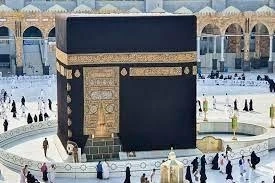
The spiritual journey of Umrah is one of the most cherished experiences for Muslims around the world. It is an opportunity to cleanse the soul, seek forgiveness, and strengthen one’s connection with Allah. However, for some, the pilgrimage can be challenging due to physical or health-related limitations. Recognizing these challenges, many travel agencies and tour operators are now offering Umrah packages that focus on accessibility and inclusivity, making the pilgrimage a possibility for pilgrims with special needs.
In this article, we explore how Umrah packages are evolving to support pilgrims with special needs, offering solutions that address mobility issues, health concerns, and the need for tailored assistance. These services are making Umrah more accessible to a wider range of Muslims, ensuring that no one is excluded from this transformative spiritual journey.
The Importance of Accessibility in Umrah Travel
For many Muslims, performing Umrah is a lifelong dream. However, for those with special needs—whether due to age, disabilities, or medical conditions—the pilgrimage can seem out of reach. Traditionally, the Umrah journey required significant physical effort, such as walking long distances, standing for prolonged periods during prayers, and navigating crowded spaces.
But thanks to a growing focus on accessibility within the travel and tourism industry, especially in religious tourism, Umrah packages are now designed with greater sensitivity and care toward the needs of all pilgrims, regardless of their physical limitations. These changes are not only making the pilgrimage more inclusive, but also ensuring that the experience is safe, comfortable, and spiritually enriching for everyone.
How Umrah Packages Are Catering to Pilgrims with Special Needs
1. Tailored Transportation Services
One of the primary concerns for pilgrims with special needs is transportation. The crowded streets of Mecca and Medina, combined with the extensive walking required, can make navigating the cities difficult for those with limited mobility. To address this, many Umrah packages now include specialized transportation services designed to accommodate pilgrims with disabilities.
For instance, travel agencies are offering wheelchair-accessible vehicles, such as buses, vans, and private cars, to help pilgrims travel comfortably between the sacred sites. These vehicles are equipped with ramps and spacious seating arrangements, ensuring that those who use wheelchairs or have difficulty walking can move around the city without unnecessary strain.
In addition, some Umrah packages also offer private transfers from the airport to the hotel, ensuring that pilgrims don’t have to deal with the challenge of public transportation. The convenience of door-to-door service makes a significant difference, especially for elderly or disabled pilgrims who may struggle with traditional forms of transit.
2. Accessible Accommodation Options
Finding suitable accommodation is another crucial aspect of inclusive Umrah packages. Hotels near the Masjid al-Haram and Masjid al-Nabawi are in high demand, and for those with special needs, accessibility can be a challenge. Many Umrah packages now include hotels with wheelchair-friendly rooms, elevators, and accessible bathrooms to accommodate the specific needs of pilgrims with mobility impairments.
These hotels are designed to offer maximum comfort and convenience for those with physical disabilities. For example, rooms are often equipped with wider doors, roll-in showers, grab bars, and other assistive features to ensure that pilgrims can perform their basic daily activities with ease. Furthermore, some hotels offer 24/7 assistance for guests with special needs, ensuring help is always available when needed.
3. Personalised Assistance Services
One of the standout features of modern Umrah packages is the inclusion of personalized assistance services. Many travel agencies now offer pilgrims with special needs the opportunity to have dedicated assistants throughout their pilgrimage. These assistants can help with various tasks, including accompanying the pilgrim to prayers, navigating the holy sites, and ensuring that they remain comfortable during the rituals.
For those with hearing impairments, sign language interpreters can be arranged to help communicate important details regarding the pilgrimage. For pilgrims with vision impairments, guides are available to provide directions and offer spiritual support, making the experience more enriching and less stressful.
These services are essential for ensuring that the spiritual needs of the pilgrims are met, in addition to their physical requirements. Travel agencies that offer such inclusive Umrah packages understand that the pilgrimage is not just about physical movement; it’s about spiritual growth and connection with Allah, and these personalised services allow every pilgrim to fully engage in their journey.
4. Health and Medical Support
For pilgrims with medical conditions, such as heart disease, diabetes, or chronic illnesses, managing health during Umrah can be a significant concern. To alleviate these worries, many Umrah packages now include medical support services. These packages ensure that medical assistance is readily available should the need arise.
Some specialised Umrah packages come with access to in-house medical staff, including doctors and nurses, who are on hand to assist pilgrims with health-related issues. First-aid kits and medication delivery services can also be arranged, ensuring that pilgrims with ongoing medical conditions have access to the care they need during their trip.
For those who require mobility aids such as wheelchairs or walkers, Umrah travel agencies offer pre-arranged rentals that can be delivered to the pilgrim’s hotel. This eliminates the need for pilgrims to worry about securing such equipment on their own and ensures they have everything they need to perform the rituals comfortably.
5. Guided Tours with Special Needs Focus
Many Umrah packages now include guided tours that are specifically tailored for pilgrims with special needs. These tours take into account the physical limitations of the pilgrims and are designed to be more comfortable and accessible. For example, the guides ensure that the pace of the tour is slower, with frequent breaks to prevent fatigue.
The guides also have a deep understanding of the specific needs of special needs pilgrims, including the need to avoid crowded areas or long queues, and they ensure the pilgrimage rituals are completed in a way that minimizes physical strain. Whether it’s visiting the Kaaba, performing Tawaf, or praying at Mount Arafat, the focus is on providing a meaningful experience without compromising on comfort or safety.
6. Crowd Control and Stress-Free Access
One of the biggest challenges for pilgrims with special needs is dealing with the crowds during peak seasons, especially during Ramadan or Hajj season. Umrah packages designed for special needs often include priority access to key religious sites, allowing pilgrims to bypass the worst of the crowds.
Special entrances and designated areas for pilgrims with disabilities are becoming more common at popular sites like the Kaaba and Masjid al-Haram, ensuring that those with mobility challenges can still perform the rituals without undue stress or inconvenience. This approach not only helps manage the physical aspects of the pilgrimage but also creates a more spiritually fulfilling experience, free from the anxiety that large crowds often induce.
The Future of Accessibility and Inclusivity in Umrah Packages
As the demand for inclusive Umrah packages continues to grow, travel agencies are expected to innovate further, integrating advanced technologies and offering even more personalized services. Future developments might include AI-assisted pilgrimage assistants who can help guide pilgrims through their journey, offering real-time support and assistance. There may also be more emphasis on eco-friendly and sustainable travel options, making the pilgrimage accessible to a broader range of people while remaining mindful of environmental concerns.
Conclusion
In recent years, Umrah packages have become much more inclusive, catering to the diverse needs of pilgrims with special requirements. From wheelchair-accessible transportation and accommodations to dedicated health support and personalised assistants, the focus on accessibility has opened up the doors of Mecca and Medina to all Muslims, regardless of their physical or medical limitations. These packages ensure that every pilgrim can embark on their spiritual journey with dignity, comfort, and support.
As more travel agencies continue to prioritise accessibility and inclusivity, the future of Umrah travel will likely be even more accommodating, ensuring that no pilgrim is left behind and that the transformative experience of Umrah is available to everyone, regardless of their physical challenges.