



Imagine this: you're on the 10th floor of your apartment building. You turn on the tap, and... nothing. Or maybe just a thin trickle. Then the pump downstairs kicks in, water rushes up, and after a few seconds, you finally get a steady flow. This dance between underground storage, pumps, and overhead tanks happens in millions of buildings — and understanding how it works can transform reliability, efficiency, and water quality.
How Water Travels from Ground Tank to Your Top-Floor Tap?
- Ground Storage
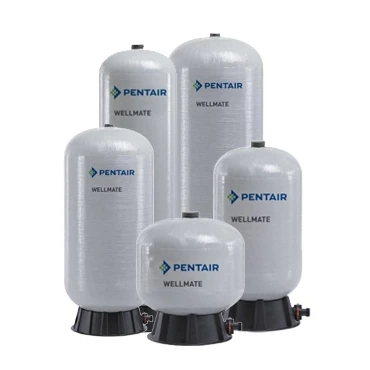
- Water arrives from the municipal supply (or borewell) into a well water holding tank at the building’s base. This acts as the primary reservoir.
- Transfer Pump Activation
- When that ground-level tank’s water level drops, a transfer (booster) pump switches on, lifting water up through a vertical riser.
- Overhead Tank Filling
- The pump pushes water into an overhead water tank with pump on the roof. As this tank fills, it stores pressure potential just from gravity.
- Distribution Downward
- From that rooftop tank, water flows down by gravity to supply taps and fixtures on all floors — delivering consistent pressure without making that pump run every time someone opens a faucet.
How Much Pump Power Do You Actually Need?
To size the pump correctly, you need to calculate pump head, which is the total energy the pump must provide to overcome:
● Static lift — the vertical height between the ground-level tank and the top of the overhead tank
● Friction losses — resistance in the pipes from elbows, valves, and the length of the pipe
● Velocity head — the energy in the flowing water
● Pressure head — any back-pressure depending on system design
Mathematically, this is expressed via Total Dynamic Head (TDH):
TDH = elevation gain + pressure head + velocity head + friction loss
You can estimate friction losses using pipe length, diameter, and equivalent resistance from fittings.
Why Cavitation Is a Real Risk in Buildings?
Cavitation happens when the pressure at the pump inlet drops below the vapor pressure of water. That’s dangerous — it causes bubbles, vibration, damage, and performance loss. To prevent this:
● Avoid suction lifts that are too high or inlet pipe diameters that are too narrow.
● Use a pump designed for applications where the risk of cavitation is higher — often enclosed impeller centrifugal pumps are used.
Expert comment: “In multi-storey buildings, underestimating NPSH margin is one of the most common causes of early pump failure,” says a senior design engineer at a leading water-systems firm. “We always build in a safety buffer of 1.5 m of NPSH to avoid cavitation under variable conditions.”
How Pipe Routing Influences Efficiency?
Careful design of the piping system from ground tank to overhead tank is crucial:
● Use a short, straight riser as much as possible — fewer bends mean less friction loss.
● Size the pipe to balance between cost (larger pipe is more expensive) and energy (smaller pipe causes more head loss).
● Include air-release valves at high points to avoid air locking, which reduces effective pump head.
Why Matching Pump Power to Building Height Matters?
If you under-size your pump:
● Overhead tank will fill very slowly, stressing the pump, shortening its life.
If you over-size your pump:
● You waste energy.
● You risk large surge pressures, which can damage pipes and fittings.
You want to hit the “sweet spot”—a pump that delivers the right flow at the calculated head, with some margin for safety. That ensures steady fill of your rooftop tank, and reliable gravity-fed supply throughout the building.
Putting It All Together — The Value of Expert-Engineered Systems
A premium water-systems solutions provider, will make this process seamless:
● They assess building height, tank capacity, and pipe layout to design the optimal pump system.
● Experts calculate TDH, NPSH, and safety margins precisely — so your system is efficient, safe, and long-lasting.
● They integrate smart-level controls to automate pump switching, avoid dry run, and reduce electricity use.
● Professionals offer technical backup, maintenance plans, and water-treatment options — because storage without treatment can lead to stagnation issues.
Why This Matters for You
● If you’re a homeowner or building manager, understanding this explains why sometimes the pump struggles, or why water pressure fluctuates.
● If you’re a commercial or municipal buyer, this insight helps you demand smart designs with efficient energy use and reliability.
Conclusion
The relationship between transfer pumps and overhead tanks is a carefully balanced technical system. You need just the right pump, precisely designed piping, and proper control to move water from a well water holding tank up to a rooftop reservoir — and then let gravity do the rest. When designed well, you get reliable pressure, less energy waste, and a system built to last. By working with expert-engineered water systems, you ensure that every drop matters — and reaches where it’s needed, when it’s needed.