



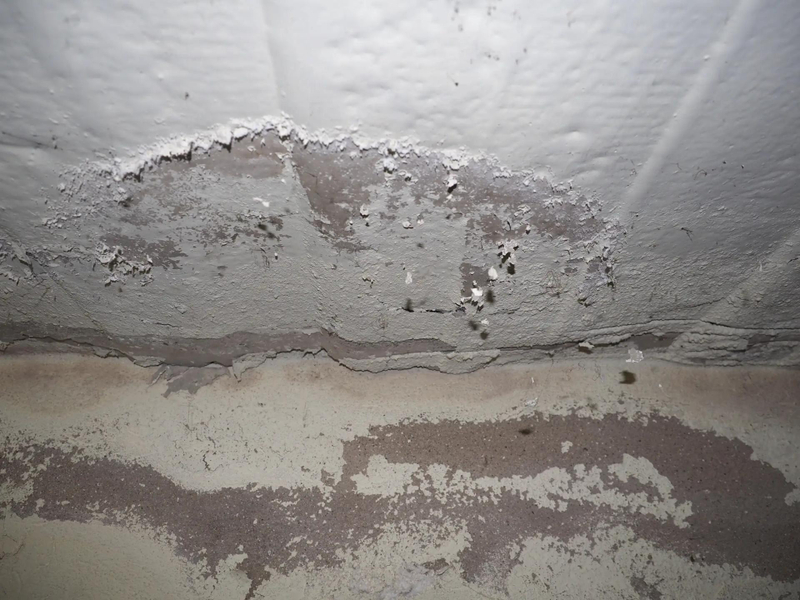
Do you have damp patches appearing on your internal walls? You’re not alone. Damp is a common issue in UK homes and, if left untreated, can lead to mould growth, structural damage, and an unhealthy living environment. If you’re wondering how to treat damp walls internally, this guide explains the causes, treatment options, and prevention methods.
By the end of this article, you’ll have a clearer understanding of how to tackle dampness effectively and protect your home in the long term.
What Causes Dampness in Internal Walls?
Internal wall dampness is usually caused by one of the following:
- Rising damp
- Condensation
- Penetrating damp
Identifying the correct cause is essential before starting any treatment.
Rising Damp
Rising damp occurs when moisture from the ground travels upwards through the walls.
Common causes include:
- A damaged or ineffective damp-proof course (DPC)
Typical signs of rising damp:
- Peeling wallpaper or flaking paint
- Tide marks or staining on lower walls
- White, powdery salt deposits
Condensation Damp
Condensation forms when warm, moist air meets cold surfaces, causing water droplets to develop.
It is especially common in homes with poor ventilation.
Signs include:
- Water droplets on walls or windows
- Mould growth, particularly black mould
- A persistent musty smell
Penetrating Damp
Penetrating damp is caused by water entering the property through defects such as:
- Leaking roofs or broken tiles
- Damaged guttering or downpipes
- Leaking internal or external pipework
Signs of penetrating damp include:
- Damp patches that worsen during heavy rain
- Wet or discoloured brickwork
Pro Tip: Treating damp without identifying the root cause will only mask the problem. Proper diagnosis is key to preventing future issues.
How to Treat Rising Damp on Internal Walls
Damp-Proof Course (DPC) Repair or Installation
A damp-proof course is a protective barrier that prevents ground moisture from rising through walls. If it has failed or is missing, treatment may involve:
- Injecting a chemical damp-proof course into the affected walls
- Removing contaminated plaster and replacing it once the treatment has cured
DIY Damp-Proofing Internal Walls
For minor cases, some homeowners choose a DIY approach:
- Drill holes into the affected wall according to DPC guidelines
- Inject a chemical damp-proof solution to create a moisture barrier
- Seal the holes and allow the wall to dry before replastering
Professional Tip: DIY solutions may help with light damp issues, but severe rising damp should always be assessed by a qualified specialist.
How to Treat Condensation Damp on Internal Walls
Condensation is the most common form of damp in UK homes, especially during colder months. Effective solutions include:
1. Improve Ventilation
- Install extractor fans in kitchens and bathrooms
- Open windows regularly to improve airflow
- Use dehumidifiers to reduce indoor humidity
2. Use Anti-Condensation Paint
Specialist anti-condensation or damp-resistant paints help protect walls from moisture buildup.
3. Insulate Walls and Reduce Cold Spots
- Insulate internal walls to prevent cold surfaces
- Use thermal wallpaper or insulated plasterboard for added protection
Did You Know? A dehumidifier can significantly reduce condensation by keeping humidity levels under control.
How to Treat Damp Walls Internally (UK Step-by-Step)
Once the moisture issue has been resolved, repair work can begin:
- Remove damaged plaster showing signs of damp, mould, or decay
- Dry the walls thoroughly using heating or a dehumidifier
- Apply a stain blocker to prevent old marks from reappearing
- Replaster the surface using moisture-resistant plaster
- Paint or redecorate with breathable, damp-resistant paint
Pro Tip: If damp continues after treatment, a professional inspection is recommended.
How to Treat Damp Walls Before Painting
Painting over damp walls without proper treatment can cause blistering, peeling, and paint failure. Before decorating:
- Ensure walls are fully dry (use a moisture meter if needed)
- Apply a damp-proof or moisture-blocking primer
- Use mould-resistant or breathable paint for best results
Correct preparation ensures long-lasting paintwork and prevents recurring damage.
Professional Treatment for Internal Damp Walls
If damp problems are severe or persistent, professional help is often the safest option.
When to Call a Specialist
- DIY solutions fail and damp keeps returning
- Damp is caused by structural issues such as cracks or leaks
- Rising damp affects multiple rooms
Typical Damp-Proofing Costs (UK)
- Chemical DPC injection: £400 – £850
- Replastering and redecorating: £300 – £600
- Professional damp survey: £150 – £300
Conclusion
If you’re asking how to treat damp walls internally, the solution depends on the type of damp affecting your property. Rising damp requires a damp-proof course, while condensation issues are usually resolved through improved ventilation and insulation.
Addressing damp early and correctly is essential to protecting your home and health. For long-term, reliable results, professional assessment and treatment are often the most effective solution.