



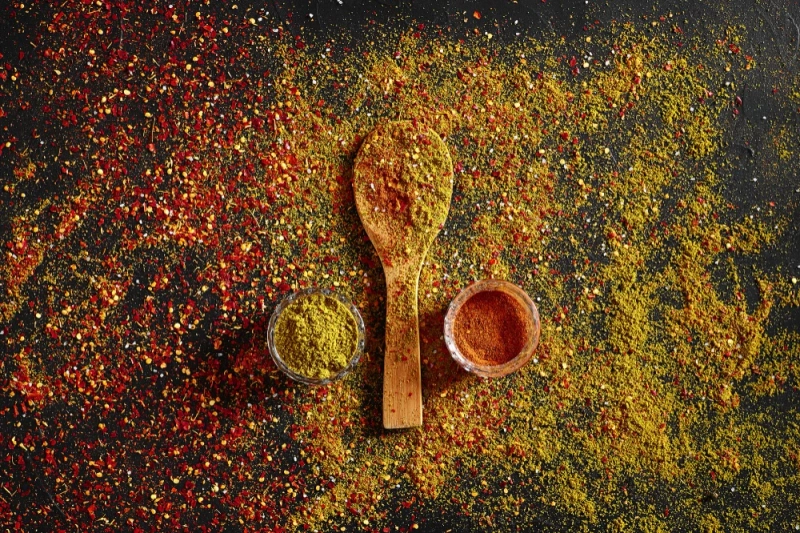
Starting a spice business in India can be highly profitable due to the country’s rich spice heritage, global demand, and strong agricultural base. Whether you want to launch a small manufacturing unit or an export-focused brand, this guide will walk you through the essential steps.
1. Understand the Spice Industry in India
India is the world’s largest producer, consumer, and exporter of spices. The spice market includes products like turmeric, chili, cumin, coriander, black pepper, cardamom, and many blended masalas.
Market Potential
- Growing domestic demand for packaged and hygienic spices
- Rising global interest in Indian spice varieties
- Scope for online and offline distribution
2. Choose Your Spice Business Model
Before starting, decide the type of spice business you want to run.
Common Business Models
- Spice processing and packaging
- Spice powder manufacturing
- Masala blends and spice mixes
- Wholesale trading
- Export of spices
3. Register Your Business Legally
Legal registration ensures smooth operations and credibility in the market.
Essential Registrations
- Choose a structure: Proprietorship, Partnership, LLP, or Pvt Ltd
- Apply for GST Registration
- Obtain Udyam/MSME Registration
- Register under the Food Safety and Standards Authority of India (FSSAI)
4. Get the Required Spice Board Licenses
If you plan to export spices, obtaining a spice board certificate is mandatory. It is issued by the Spices Board of India.
Importance of Spices Board Certificate
- Mandatory for spice exporters
- Ensures product quality and compliance
- Helps in accessing export benefits
Spices Board Registration Process
To export spices, you must complete spices board registration (also known as spice board registration).
Basic steps:
- Visit the Spices Board of India’s official portal
- Submit business and identity documents
- Provide quality testing details (if applicable)
- Pay the registration fee
- Receive the Certificate of Registration as Exporter of Spices (CRES)
5. Set Up Your Spice Processing Unit
Choose a suitable location for processing, grading, cleaning, and packaging spices.
Key Requirements
- Machinery for grinding, mixing, sieving, and packaging
- Hygienic workspace as per FSSAI guidelines
- Storage areas for raw materials and finished goods
6. Source Quality Raw Spices
Building relationships with reliable farmers, wholesalers, and mandis is essential.
Tips for Raw Material Sourcing
- Choose regions known for specific spices (e.g., Kerala for black pepper, Rajasthan for coriander)
- Ensure the spices meet export or domestic quality standards
- Maintain consistency in size, aroma, and color
7. Branding and Packaging
Attractive, durable, and food-grade packaging enhances your brand identity.
Branding Tips
- Use airtight, moisture-resistant packaging
- Highlight purity, sourcing, and hygiene
- Add QR codes for traceability and product info
8. Build Distribution Channels
Choose the right selling platforms for your spice business.
Distribution Options
- Local retail stores
- Wholesalers and supermarkets
- E-commerce platforms (Amazon, Meesho, Shopify)
- Export markets via importers
9. Market Your Spice Business
Marketing builds visibility and customer trust.
Effective Marketing Strategies
- Social media promotion (Instagram, Facebook, YouTube)
- Sampling campaigns in local stores
- Collaborations with food influencers
- Listing on online marketplaces
10. Maintain Quality and Compliance
Quality control is crucial to building a long-term spice brand.
Quality Maintenance Tips
- Regular testing at NABL-accredited labs
- Follow FSSAI hygiene and safety norms
- Maintain proper packaging, storage, and labeling
Conclusion
Starting a spice business in India offers immense potential, especially with increasing demand for authentic and high-quality Indian spices. By following the proper steps—from obtaining FSSAI approval to securing a spice board certificate, completing spices board registration, and ensuring premium quality—you can build a successful domestic or export-oriented spice brand.