


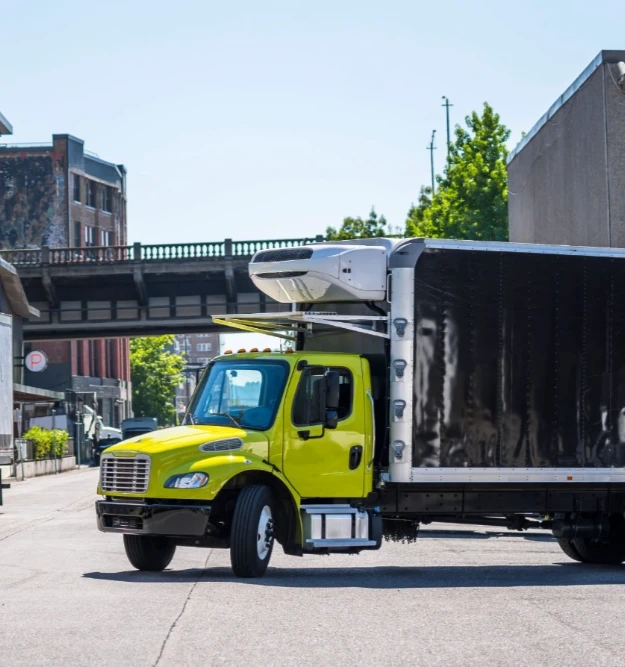
Many fleets don’t realize refrigerated trailers use more diesel than expected, but much of this is manageable. By building better habits and managing food supplies, you can cut reefer fuel use by 20–25%. Here’s a step-by-step plan to help you get there.
1. Set the right mode and setpoint
Match temperature and operating mode to the product and trip. Continuous run is safest for high-risk loads with tight tolerances, but most routes can use start/stop without affecting product quality. Setting the temperature too low causes unnecessary heat removal. Maintain the specification at five degrees below the hero number for emergencies.
2. Pre-cool the trailer
Start pre-cooling the cargo area to the setpoint temperature before opening the dock door. The unit's cold walls absorb heat surges during loading operations, while the system operates at reduced capacity during its first hour on the route. The use of pull-downs during road operations increases fuel consumption, resulting in longer dock operations. Pre-cool, load, shut the doors, roll.
3. Fix airflow with better loading
The compressor runs longer when air starvation occurs. Keep floor channels clear, maintain a safe distance between pallets and the bulkhead, and minimize space between walls and the rear for air movement. Use load bars, dunnage, and bulkheads as needed to prevent dead zones. For multi-stop, mixed-product deliveries, use temporary bulkheads to reduce the cooled storage area between stops.
4. Cut door open minutes
Door entry time is the most critical period. Sequence stops to reduce entry points, use dock seals and strip curtains, and keep hot freight away from doors. Teach drivers to seal the trailer during paperwork. Cutting 2 minutes per stop on busy routes saves hours of compressor operation time.
5. Run smarter at dwell
At dock or yard facilities, use continuous mode only when cargo requires it. Use start/stop or standby power where available. Switch off all units not in use. Set rules so door activation signals unit shutdown, and review mode status if units stay stopped for more than 15 minutes. Small policy changes can reduce unproductive time while maintaining product safety.
6. Keep the hardware clean and calibrated
Dirty condensers, clogged filters, weak door gaskets, and bad probe calibration can cause significant fuel waste. The PM schedule should include coil cleaning, gasket inspections, drain maintenance, and sensor checks. Match defrost settings to the season and humidity. Unnecessary defrost cycles waste fuel, while too little defrosting leads to ice and longer defrost periods.
7. Use data to coach
Telematics systems that monitor return-air temperature, door operations, setpoint changes, and fuel levels turn opinions into evidence. Identify units with high fuel use, extended door operation, or multiple pull-downs. Share weekly wins with drivers and loaders. Most fleets achieve an 8–12% cut by addressing obvious outliers.
The key to success lies in maintaining proper temperature settings, improving air circulation, reducing door openings, maintaining equipment cleanliness, and using actual data and yard-based fueling operations instead of roadside fueling stations. Your reefer fuel expenses will decrease when you perform these six tasks effectively, as your delivery times will remain on schedule.