



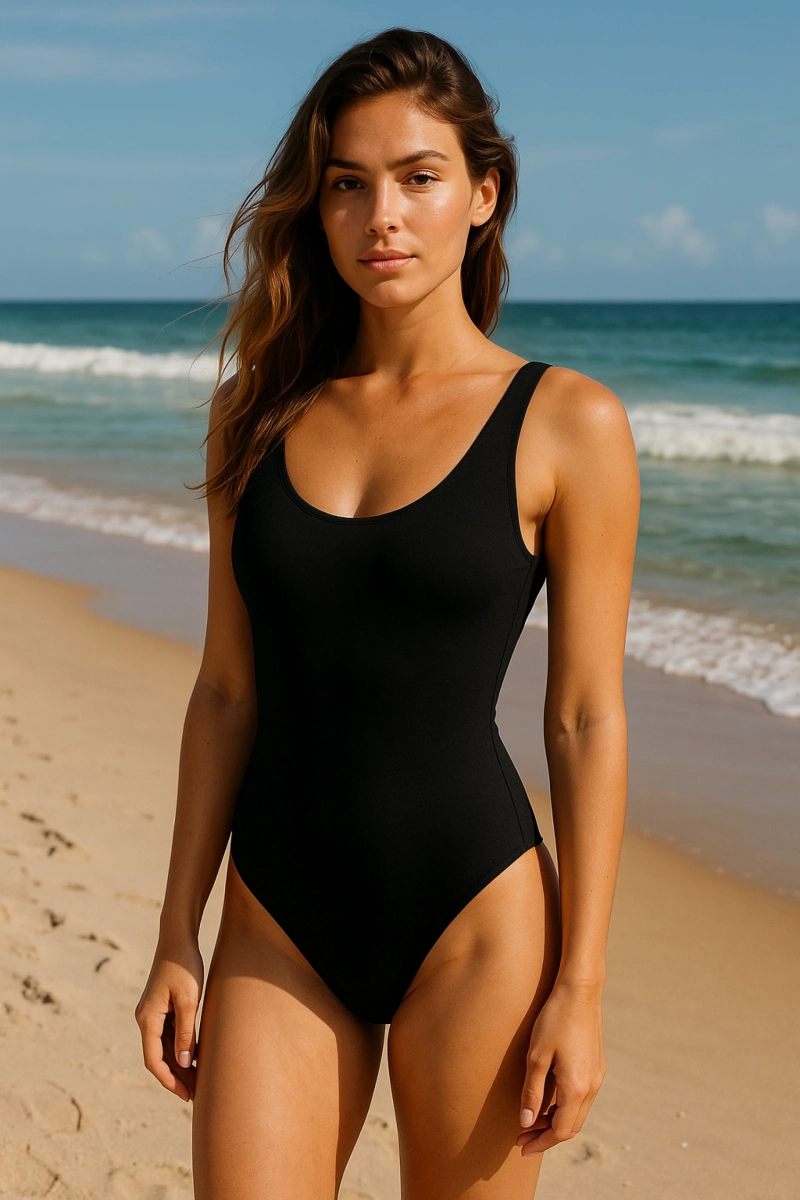
Swimwear products are small, lightweight, and come in multiple sizes, colors, and sets. This makes warehouse organization extremely important — the way you structure storage directly affects picking speed, packing accuracy, and return rates.
Here is a complete guide on how to arrange a swimwear warehouse for maximum efficiency, speed, and accuracy.
1. Create a Clear Storage System Based on Collection → Model → Color → Size
The biggest mistake in swimwear storage is mixing models or sizes.
A proper warehouse follows this hierarchy:
Step 1: Separate by Collection
- Summer collection
- Capsule drops
- Resort collection
- Previous season
Step 2: Organize by Model
Every bikini or one-piece model gets its own section.
Step 3: Sort by Color
Store each color in a separate box/bin.
Step 4: Sort by Size (XS → S → M → L → XL)
Always left-to-right or top-to-bottom for consistency.
Result:
Pickers immediately know where everything is — reducing errors and speeding up fulfillment.
2. Use Small, Labeled Bins for Bikini Sets and Tops/Bottoms
Swimwear pieces are small; oversized shelves create chaos.
Best tools:
- Transparent bins with lids
- Drawer-style racks
- Stackable boxes
- Dividers for sizes
Each bin should have:
- Model name
- Color
- Size
- SKU number
- Barcode label (if using scanners)
3. Separate Tops and Bottoms (If Sold Separately)
If your brand sells:
- Mix-and-match
- Separate bikini tops
- Separate bottoms
Store them independently, even if they are part of the same line.
Why?
- Faster picking
- More accurate stock tracking
- No mixing of mismatched colors/sizes
4. Keep Bestsellers in a “Fast Picking Zone”
Every swimwear warehouse should have a hot zone near packing tables.
Place here:
- Best-selling models
- Best-selling colors (black, white, emerald, fuchsia)
- High-frequency sizes (S, M, L)
This can reduce picking time by 30–40%.
5. Use Barcode Scanners & Digital Inventory for swimwear
Essential for avoiding human error.
A basic system includes:
- SKU → Barcode → Bin label
- Real-time stock updates
- Automatic low-stock alerts
- Pick and pack check confirmation
Recommended tools:
- Shopify Stocky
- Zoho Inventory
- DEAR Systems
- Odoo
Even a small swimwear brand benefits massively from digital tracking.
6. Keep Sample Area Separate From Warehouse Stock
Never store:
- photography samples
- damaged pieces
- returns
- samples from suppliers
…inside the main warehouse shelves.
Create a separate section labeled:
- SAMPLE
- DAMAGED
- TO PHOTOSHOOT
- RETURNED ITEMS
This prevents accidentally shipping the wrong items to customers.