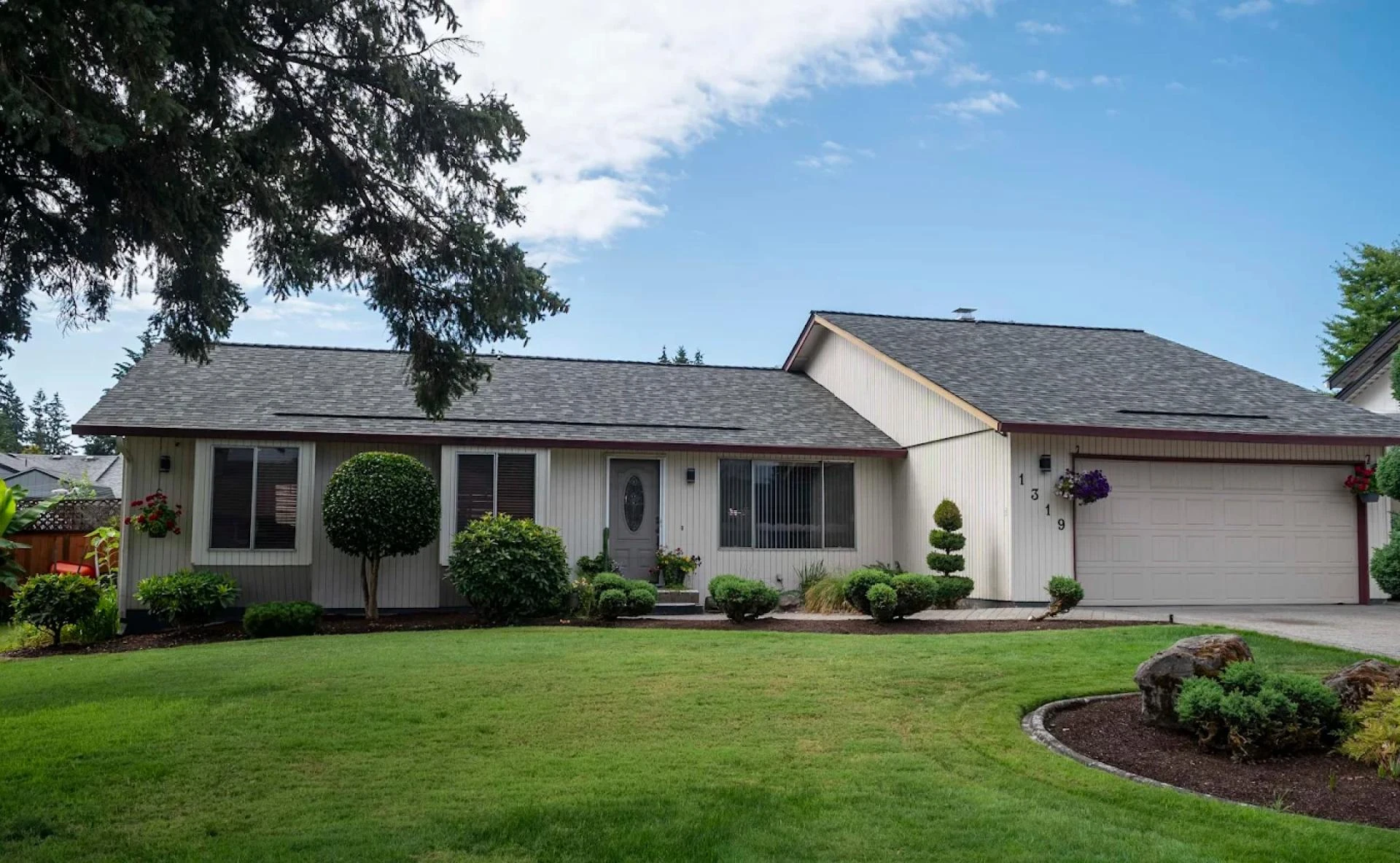
Remodeling the exterior of your Vancouver home—or hiring an exterior contractor in Vancouver, WA—is more than just cosmetic. It’s an opportunity to boost curb appeal, improve energy efficiency, and protect your property from the region’s notoriously wet climate. In this article, we’ll explore how to harness smart exterior services—from siding installation to roof upgrades—to get the most out of your home renovation.
When you think of a home renovation, the interior often gets all the attention. But in a place like Vancouver, Washington, where rain and wind are major factors, your exterior services can make or break long-term durability. Whether you're planning siding installation, roof installation, or upgrading windows and doors, working with a trusted exterior contractor in Vancouver, WA can dramatically increase your home’s resilience and value.
This guide walks you through key considerations, from choosing the best roofing material to understanding the benefits of different sidings, spotting signs when it's time to replace windows, and knowing what to expect during a roof inspection. By the end, you’ll know how to make informed decisions—and how to hire top-rated professionals to help you bring your vision to life.
1. Choosing the Best Roofing Material for Your Vancouver Home
One of the first decisions in an exterior remodel is picking the right roofing material. This choice influences cost, longevity, aesthetics, and energy efficiency.
Key Factors to Consider
Climate: Vancouver’s rainy, windy weather demands strong moisture resistance and wind uplift ratings.
Budget: Asphalt shingles are typically the most affordable, while metal or premium materials cost more but last longer.
Lifespan: Asphalt shingles may last 20–30 years, while metal or tile roofs can last 40 years or more.
Energy efficiency: Some roofs (e.g., metal with reflective coatings) help regulate indoor temperature.
Aesthetics: Think about what matches your home’s architectural style.
Popular Roofing Materials
Asphalt Shingles: Affordable, widely available, and easy to install, but may need replacement more often.
Metal Roofing: Long-lasting, very durable in storms, and often recyclable.
Cedar or Wood Shakes: Great for insulation and traditional aesthetics, though maintenance is higher.
Other Options: Depending on your budget and design, you might also consider concrete tiles, slate, or eco-materials.
2. Benefits of Vinyl Siding vs. Fiber Cement Siding for Vancouver Homes
In Vancouver’s climate, siding is more than skin deep. Here’s how the two most common materials stack up.
Vinyl Siding
Pros:
- Low maintenance — rarely needs painting
- Cost-effective
- Resistant to many pests, rust, and rot
Cons:
- Can warp in extremely hot conditions
- Lower fire resistance than fiber cement
- Environmental impact during manufacturing
Fiber Cement Siding
Pros:
- Extremely durable and non-combustible
- Excellent at resisting moisture, ideal for the Pacific Northwest climate
- Can mimic wood or stone for high aesthetic appeal
Cons:
- Heavier, so installation costs are higher
- May require repainting or sealing over time
What Makes Sense for Vancouver, WA
Because of Vancouver’s rainy and windy conditions, many local siding contractors recommend fiber cement for its durability and moisture resistance. On the other hand, vinyl siding remains an attractive choice for homeowners on a tighter budget who want a lower-maintenance option.
Windows play a critical role in both insulation and the visual appeal of your home. Here are common indicators that it's time to call in exterior window replacement services:
Drafts or Cold Spots
Persistent drafts or cold walls near the windows suggest poor sealing or insulation.
High Energy Bills
Older or inefficient windows can drive up heating costs.
Condensation or Moisture
Moisture between panes or persistent fogging indicates seal failure.
Deteriorating Frames
Frames made of wood may warp or rot; vinyl may crack; aluminum may corrode.
Difficulty Operating
Windows that stick, fail to lock, or are hard to open can be a safety risk as well as a sign of structural wear.
Replacing them with energy-efficient window options, especially in older homes, can make a noticeable difference in comfort and utility costs.
4. How to Maintain Exterior Doors for Better Insulation
Doors are often underestimated, but they’re a key factor in energy efficiency and curb appeal.
Weatherstripping: Regularly inspect and replace worn or damaged weatherstripping to block drafts.
Thresholds: Make sure door thresholds are well-sealed and properly fitted.
Material Choice: Fiberglass or steel doors with insulated cores offer better thermal performance than uninsulated wood.
Regular Maintenance: Keep hinges oiled and fix any warping or gaps early.
Painting and Sealing: For wood doors, repaint or reseal regularly to protect against moisture.
5. What to Expect During a Roof Inspection
If you're hiring an exterior contractor in Vancouver for roofing services, a roof inspection typically involves:
Visual Examination
Contractors check for missing, cracked, or curling shingles and inspect flashing and gutters.
Interior Inspection
They may look in the attic to check for signs of leaks, rot, or poor ventilation.
Wind Uplift & Fasteners
In storm-prone areas, the strength of fasteners and how shingles are secured is critical.
Drainage Assessment
Ensuring rainwater flows correctly off the roof and into the gutter systems.
Report & Quote
You’ll get a detailed report of findings and a clear estimate for repair or replacement.
6. How New Siding Can Improve Curb Appeal
Choosing the right siding material does more than protect your home—it enhances its look and value.
Modern Aesthetic: Fiber cement siding can be styled to mimic wood or stone, giving your house a fresh, upscale appearance.
Color Versatility: Siding comes in hundreds of colors, and advanced finishes last longer in humid climates.
Texture Options: From sleek lap boards to textured panels, you can choose what matches your architectural style.
Insulation: Insulated or foam-backed siding boosts R-value, improving thermal performance and reducing energy bills.
7. Dealing with Common Roofing Problems After a Storm
Storms can test your roof’s quality. Here’s how to address typical post-storm issues:
Loose or Missing Shingles: Strong winds can lift shingles, exposing the underlayment.
Damaged Flashing: Seals around chimneys or vents may crack or shift, causing leaks.
Clogged Gutters: Debris from storms can block gutters, leading to water pooling and seepage.
Debris Impact: Branches and hail can damage roofing material or puncture membranes.
Leaks & Water Damage: Water may find its way into the attic or walls, so inspect and act quickly.
Hiring a top-rated roofing contractor near you right after a storm ensures issues are identified early—before they cause structural damage.
8. Hiring the Right Exterior Contractor in Vancouver, WA
Here are tips on finding and vetting a quality exterior services contractor:
Check Credentials: Look for licensed, bonded, and insured contractors.
Local Experience: Favor contractors familiar with Vancouver’s climate and common weather-driven problems.
Reviews and References: Ask for past customer reviews or a portfolio of siding, roofing, or window projects.
Free Quotes: Get at least two or three estimates to compare pricing and material recommendations.
Warranty / After-Service Support: Ensure they offer a workmanship guarantee and discuss future maintenance.
9. Maximizing Energy Efficiency with Smart Exterior Services
To really leverage smart exterior services, consider combining upgrades in a strategic way:
Pair energy-efficient windows with new siding and insulation to significantly reduce heating bills.
Use insulated vinyl siding or add rigid foam boards behind fiber cement boards to improve overall R-value.
Opt for a roofing material with reflective or cool roofing features to reduce seasonal heating and cooling loads.
Implement a rainscreen or proper drainage system during siding installation to prevent moisture-related damage over time.
Regularly maintain your exterior—inspecting doors, roofing, gutters, and siding—to extend the life of your investments.
Conclusion
Smart exterior services in your Vancouver home remodel aren’t just about aesthetics—they’re a long-term investment in durability, energy efficiency, and value. By choosing the right materials (like fiber cement or insulated vinyl), understanding when windows or doors need replacement, and hiring expert exterior contractors in Vancouver, WA, you can create a resilient, beautiful home that stands up to the Pacific Northwest’s challenging weather.
Take your time to research, gather multiple quotes, and ask contractors to walk you through their process. When done right, your remodel will not only look great—it’ll perform reliably for years.
FAQ (Frequently Asked Questions)
How often should I get my roof inspected after installation?
You should have your roof inspected at least once a year, especially in Vancouver’s climate, and after major storms.
Can I install energy-efficient windows in an older Vancouver home?
Absolutely. Many window companies offer retrofit options tailored for older homes, improving insulation without major structural changes.
What maintenance does vinyl siding require?
Very little—typically, a gentle washing once or twice a year, and inspection after storms for cracks or loose panels.
Will adding new siding or roofing increase my home’s resale value?
Yes. Quality siding and roofing are among the most visible and long-lasting upgrades, and they significantly improve curb appeal and structural integrity.