



Demolishing a building may seem like a straightforward task—but in reality, it’s a process filled with legal steps, municipal requirements, and safety protocols. Whether you're clearing a residential plot or preparing a commercial site for redevelopment, skipping even one vital step can result in costly delays or legal issues.
In demolition Saudi Arabia projects, the process is regulated to ensure safety, environmental responsibility, and structural accountability. Here’s a step-by-step guide to help you understand the legal and professional process of taking down a structure the right way.
Step 1: Verify Ownership and Legal Permissions
Before any action begins, ensure that all property documentation is clear and up to date. The building’s ownership must be legally verified, and the demolition rights must be approved by the relevant authorities. In Saudi Arabia, that typically includes submitting ownership certificates, building permits, and plot numbers to your local municipality.
If the building is jointly owned or tied up in inheritance or legal disputes, all parties must approve the demolition before proceeding.
Step 2: Obtain Official Demolition Permits
This is the most critical step and one that cannot be bypassed. Municipalities across the Kingdom require official demolition permits before any structure can be dismantled. The permit application process varies by city but usually includes:
a) Submitting the building plans
b) Verifying plot location
c) Paying applicable fees
d) Providing structural assessments
e) Demonstrating safety compliance
Municipal approval ensures that the demolition will be carried out in accordance with city zoning laws, environmental regulations, and public safety standards.
For demolition Saudi Arabia companies, obtaining and managing these permits is a core part of their service. It’s best to work with licensed contractors familiar with local permit requirements.
Step 3: Conduct a Structural and Safety Assessment
A licensed engineer or demolition consultant must inspect the building and determine the safest way to dismantle it. Factors like foundation depth, proximity to neighboring structures, presence of load-bearing walls, and signs of instability must be considered.
If hazardous materials like asbestos, lead-based paint, or mold are found, they must be removed by certified professionals before demolition begins.
This step ensures the safety of workers, pedestrians, and nearby properties, and it’s a mandatory part of professional demolition operations in demolition Saudi Arabia projects.
Step 4: Disconnect Utilities and Secure the Site
Before any mechanical or manual work begins, all utilities—electricity, gas, water, telecommunications—must be disconnected or rerouted. Failure to do this can lead to explosions, flooding, or electrocution hazards.
Next, secure the site with proper fencing and warning signage. Many cities in the Kingdom require contractors to place safety boards in Arabic and English to inform the public and prevent unauthorized access.
Step 5: Notify Neighboring Properties
It’s both courteous and required by some municipalities to notify nearby residents or businesses of an upcoming demolition. Especially in densely populated areas, demolition can cause noise, dust, and vibration. Providing prior notice helps reduce disputes and ensures that neighbors can take precautions if needed.
This type of communication builds trust—and is often one reason why well-regarded companies in demolition Saudi Arabia stand out. Reputation in the community matters.
Step 6: Choose the Right Demolition Method
There isn’t a one-size-fits-all approach to tearing down buildings. Depending on the structure’s size, location, and materials, your contractor may recommend one of the following methods:
a) Manual Demolition: Using handheld tools or small machines—best for residential or confined spaces.
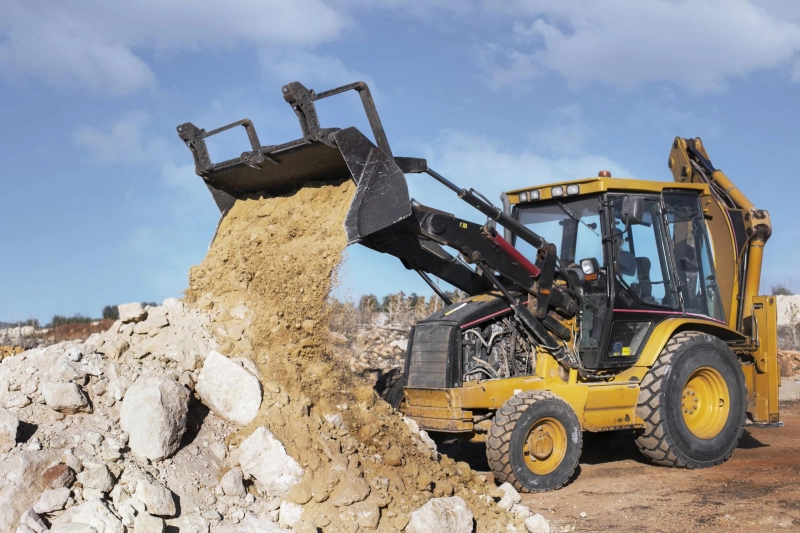
b) Mechanical Demolition: Using heavy equipment like excavators and bulldozers—ideal for mid-size buildings.
c) Selective Demolition: Removing parts of a structure while preserving others, often used for renovations.
d) Controlled Implosion: Reserved for large structures; this highly regulated method uses explosives and requires special clearance.
Choosing the wrong method can lead to property damage or legal consequences. Professional contractors in demolition Saudi Arabia guide clients toward the safest and most cost-effective option.
Step 7: Carry Out Demolition with Compliance and Monitoring
Once approved, the demolition work can begin—but it must adhere to legal, safety, and environmental standards throughout.
Key compliance points include:
a) Dust Control: Use of water sprays or barriers to minimize air pollution.
b) Noise Management: Work is often restricted to daylight hours to reduce community disturbance.
c) Waste Separation: Recyclable materials (like concrete, steel, or wood) must be sorted from hazardous or general waste.
d) On-site Supervision: A certified site supervisor must oversee safety practices and emergency preparedness.
In demolition Saudi Arabia projects, municipal inspectors may make unannounced visits to confirm compliance. That’s why documentation, safety training, and daily reporting are non-negotiable.
Step 8: Post-Demolition Site Clearance and Documentation
Demolition doesn’t end with knocking down the last wall. The site must be completely cleared of debris, hazardous waste properly disposed of, and the land leveled if required.
Final steps often include:
a) Submitting proof of waste removal to the municipality
b) Taking soil tests if new construction is planned
c) Requesting final inspection to close the permit file
d) Updating property records and land registry
This last phase prepares the site for its next chapter whether that’s a new commercial project, residential construction, or repurposed land use.
Why Legal Demolition Matters
Legal demolition is about more than following rules—it protects people, property, and long-term investments. Cutting corners in the process can result in:
a) Fines or permit revocations
b) Civil liability for damages or injury
c) Delays in future construction approvals
d) Negative public relations and community complaints
Working with an experienced, licensed contractor ensures your project complies with demolition Saudi Arabia standards while saving you time, money, and risk.
Final Thoughts
Demolishing a structure in Saudi Arabia is a regulated and detail-oriented process. From permit applications and engineering reports to environmental controls and community safety, each step is critical. Skipping any part of the process can lead to penalties, delays, or unsafe outcomes.
That’s why partnering with a trusted, local expert in demolition Saudi Arabia is the best way to ensure a smooth, legal, and efficient project. Whether you're clearing space for a new villa, mall, or office tower, the foundation for success starts with lawful, responsible demolition.