



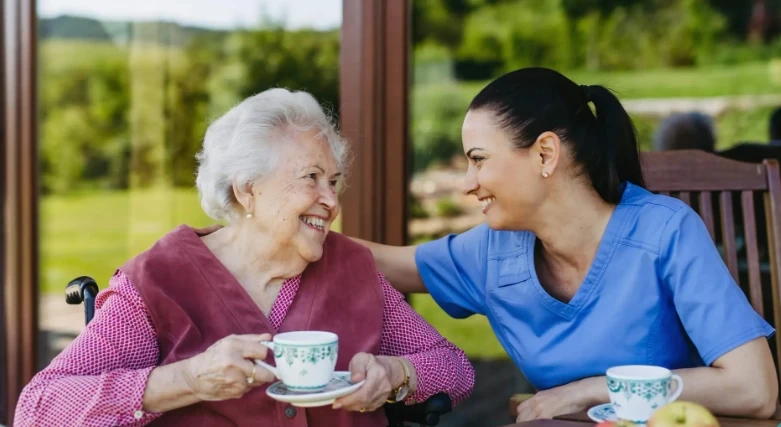
Caring for an aging loved one can be emotionally draining and confusing. You may wonder if it’s time to consider a nursing home in Wesley Chapel?
Many families face this exact dilemma, torn between wanting the best care and respecting independence. This post will help you recognize the key signs that suggest professional care may now be the safest and most supportive choice.
Understanding When Home Care Is No Longer Enough
Sometimes, families try to manage every detail of care at home. But as health needs grow, the level of support required can quickly exceed what loved ones can safely provide.
When mobility decreases, medications multiply, or memory lapses become frequent, it may signal a deeper need for structured assistance. That’s when considering a nursing home becomes an essential conversation, not an act of guilt, but an act of love and responsibility.
A modern nursing home offers round-the-clock medical oversight, personalized routines, and emotional comfort for seniors who need more than occasional help. The goal isn’t to take independence away; it’s to ensure dignity, safety, and well-being are fully protected.
Signs That Suggest a Transition Might Be Needed
If you’re unsure whether the time has come, look for practical and emotional clues:
- Frequent medical issues: Recurrent infections, falls, or missed medications.
- Personal neglect: Struggles with bathing, grooming, or dressing regularly.
- Cognitive decline: Noticeable confusion, forgetfulness, or unsafe decisions.
- Isolation: Withdrawal from friends, activities, or meals.
- Caregiver burnout: When family members feel overwhelmed or emotionally exhausted.
Each of these signals points toward a growing need for professional supervision, something a nursing home is designed to handle effectively.
Comparing Care Options: Home Care vs. Nursing Home
Aspect
Home Care
Nursing Home in Wesley Chapel
Supervision
Limited to set hours
24/7 medical and personal support
Environment
Familiar home setting
Safe, structured community
Social Interaction
Depends on visitors
Daily engagement and activities
Cost Range
Hourly or part-time
Comprehensive monthly plans
Medical Attention
Occasional visits
Continuous skilled care
Emotional and Social Benefits Often Overlooked
Moving to a nursing home isn’t just about medical care. It’s also about rebuilding emotional balance and social connection. Many residents rediscover a sense of belonging through group activities, meals, and gentle routines that nurture purpose.
Caregivers offer emotional support while helping seniors adapt gradually, reducing the fear of change. Families also benefit emotionally. They can focus more on love and companionship rather than constant caretaking.
Instead of feeling guilty, they can visit knowing their loved one is safe, engaged, and surrounded by professionals who genuinely care.
Conclusion
Deciding to move a loved one into a nursing home in Wesley Chapel isn’t easy, but it’s often an act of love. When physical, cognitive, or emotional challenges affect their safety and happiness, a structured care environment can make all the difference.
It ensures continuous supervision, medical care, and a social life that enhances quality of living. If you’re starting to see these indicators, take time to explore your local options. Talk to professionals, schedule a care assessment, and ask questions that matter.