



Discovering maggots in the human body can be a deeply alarming experience, often associated with a parasitic condition known as myiasis. For individuals in the UK encountering this rare but treatable issue, it’s essential to understand the right first aid measures and medical treatments for quick recovery. In this detailed guide, we’ll cover everything from understanding what maggots are to learning effective methods on how to get rid of maggots safely.
One of the medically recognized options for treating maggot infestations is ivermectin 3 mg tablets, an MHRA-approved antiparasitic medication that helps eliminate larvae and prevent further infection. Whether you’re dealing with small maggots or fly maggots burrowing uncomfortably under the skin, timely use of prescribed ivermectin 3 mg tablets, along with professional medical care, can make a significant difference. While home remedies might provide temporary relief, consulting a healthcare professional remains the safest and most effective approach—especially for adults living in the UK’s temperate climate.
What is a Maggot? Understanding the Basics
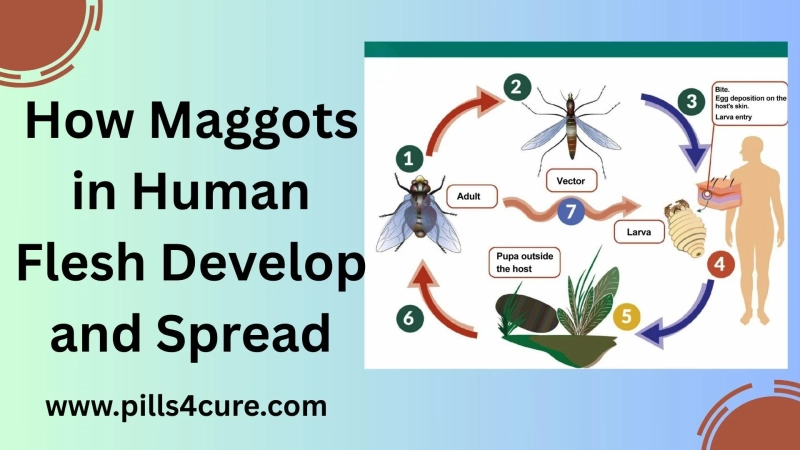
At its core, the definition of a maggot is the larval stage of a fly, specifically the soft, legless, worm-like form that hatches from fly eggs. These larvae maggots are typically creamy white or greyish, ranging from tiny specks to a few centimetres in length, depending on the species. But what is a maggot in the context of human health? It's essentially an unwelcome guest in cases of myiasis, where fly larvae infest living tissue. Fly maggots, often from common UK pests like blowflies or bluebottles, thrive in warm, moist environments, making neglected wounds or poor hygiene hotspots for infestation.
So, how are maggots made? The process begins when adult flies lay eggs on organic matter—decaying food, soiled bandages, or even open sores. These eggs hatch within hours into small maggots that feed voraciously, growing rapidly over a few days before pupating into adult flies. In humans, this isn't a natural occurrence but a sign of underlying vulnerability, such as untreated injuries or compromised immunity.
The Causes of Maggots in Humans: What Triggers an Infestation?
What is the cause of maggots appearing in the human body? Primarily, it's poor wound care or exposure to flies in unsanitary conditions. In the UK, where we enjoy relatively clean urban and rural environments, infestations are rare but can still happen—think of an overlooked cut during a hiking trip in the countryside or a diabetic ulcer left unattended. Flies are drawn to the scent of infection or necrosis, depositing eggs that lead to larvae maggots taking hold. Factors like immobility from illness or even excessive sweating in humid summers can exacerbate the risk. Recognising these triggers early is key to prevention, as maggots don't 'choose' healthy tissue but exploit weaknesses.
Symptoms of Maggots in Humans: Spotting the Signs Early
The symptoms of maggots in humans often start subtly, mimicking a standard infection, which is why vigilance is vital. You might first notice intense itching or a crawling sensation beneath the skin, as small maggots wriggle to feed. This can escalate to localised pain, swelling, and redness around the affected area—be it a wound on the leg, scalp, or even nasal passages. Oozing discharge with a foul odour is another telltale sign, sometimes accompanied by visible writhing movements if the infestation is surface-level. In more severe cases, fever or fatigue may set in as the body's immune response kicks in. If you're experiencing these in the UK, don't delay; early detection through these symptoms can make treatment of maggots far less invasive.
Types of Maggots: From Small Maggots to Fly Maggots
Not all maggots pose the same threat, and understanding the types can help in identifying and addressing them. Small maggots, often just a millimetre or two long, are the earliest stage and easiest to overlook, hatching from eggs laid by common houseflies. Fly maggots, derived from blowflies, are chunkier and more aggressive, burrowing deeper into tissue for sustenance. Larvae maggots in general refer to these developmental forms, but in human myiasis, they can be cutaneous (skin-based) or, less commonly, wound-specific. In the UK, we're more likely to encounter those from Calliphora species—those shiny bluebottles buzzing around bins—making awareness of local fly habits essential for avoidance.
First Aid Essentials: Immediate Steps on How to Get Rid of Maggots
When faced with an infestation, knowing how to get rid of maggots at home can provide quick relief while you arrange medical care. Start by calmly isolating the area: gently wash the site with warm, soapy water using mild, fragrance-free soap to dislodge any surface-dwellers without causing further irritation. For deeper small maggots, a saline solution—readily available from UK pharmacies—can flush them out effectively. Avoid using harsh chemicals like bleach, as they might harm surrounding tissue. Instead, apply a light covering of petroleum jelly to suffocate exposed larvae maggots, encouraging them to migrate to the surface for removal with sterile tweezers. Always wear gloves and work in good light to minimise stress. These steps are not a cure but a bridge to professional treatment of maggots.
Medical Treatment Options: Proven Ways to Kill Maggots in Humans
For thorough eradication, medical treatment of maggots is indispensable, often involving a combination of manual removal and pharmacotherapy under NHS guidance. A healthcare professional will first irrigate the wound to extract fly maggots, using tools like forceps for precision. In many cases, ivermectin 3 mg tablets—MHRA-approved for parasitic infections—prove highly effective. This oral antiparasitic works systemically to paralyse and expel larvae, typically dosed at 200 micrograms per kilogram of body weight for adults. Side effects are minimal, but always consult your GP for a prescription, especially if you have liver concerns. For persistent cases, topical ivermectin lotions or surgical debridement might follow, ensuring no remnants cause secondary infections. In the UK, accessing these via your local surgery or A&E is straightforward and covered under the NHS.
Precautions: Staying Safe During and After Treatment
Precautions form the backbone of managing and preventing maggot infestations, particularly in our variable British weather. Always prioritise hygiene: clean wounds daily with antiseptic wipes and keep them dressed with breathable, sterile bandages to deter flies. If you're outdoors often—perhaps gardening in the Lake District—use insect repellents containing DEET, and cover exposed skin. For those with chronic conditions like venous leg ulcers, regular podiatrist check-ups can catch risks early. Post-treatment, monitor for reinfestation by watching for returning symptoms of maggots in humans, and avoid self-medicating with unverified remedies. Remember, ivermectin 3 mg tablets should only be taken as prescribed to avoid resistance buildup in parasites.
When to Seek Immediate Medical Help
While first aid buys time, certain red flags demand urgent NHS attention. If symptoms of maggots in humans worsen—such as spreading redness, high fever over 38°C, or difficulty breathing—head to A&E without hesitation. Deep tissue involvement or facial infestations also warrant same-day review, as complications like sepsis, though rare, can arise quickly. In the UK, dial 111 for non-emergency advice or 999 if it's life-threatening. Early intervention not only kills maggots effectively but also safeguards your overall wellbeing.
FAQs: Your Questions Answered
What is the quickest way to kill maggots in a wound?
The fastest home method is saline irrigation followed by suffocation with petroleum jelly, but for complete elimination, seek medical removal and ivermectin 3 mg tablets as prescribed.
Can maggots in humans be fatal?
In healthy adults, no—prompt treatment of maggots ensures full recovery. However, untreated cases in vulnerable individuals can lead to serious infections.
How do I prevent fly maggots from laying eggs on my skin?
Maintain impeccable wound hygiene, use fly screens indoors, and apply MHRA-approved repellents during peak fly season in summer.
Is ivermectin safe for long-term use against parasites?
For short courses like treating myiasis, yes—ivermectin 3 mg tablets are well-tolerated, but discuss with your doctor for personalised advice.
What if I see small maggots after treatment?
This could indicate incomplete removal; return to your GP for reassessment to ensure no larvae maggots remain.