



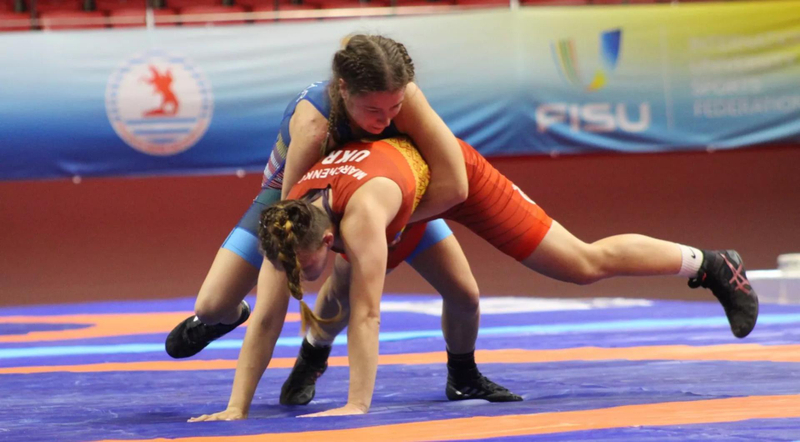
Wrestling is one of the most mentally demanding sports. Matches are intense, physical, and often decided by who stays composed, confident, and aggressive under pressure. While strength and technique matter, mental toughness is what allows wrestlers to push through fatigue, respond to setbacks, and perform when it matters most.
Improving mental toughness in wrestling requires intentional training—just like building physical skills. Below are proven strategies wrestlers and coaches can use to strengthen the mental side of the sport.
1. Learn to Stay Calm Under Pressure
Matches can shift in seconds. A mentally tough wrestler learns how to control emotions, even when behind on points or facing a tough opponent. Breathing techniques, pre-match routines, and mental cues can help wrestlers stay calm and focused during high-stress moments.
Developing emotional control prevents panic and allows better decision-making late in matches.
2. Build Confidence Through Preparation
Confidence in wrestling doesn’t come from words—it comes from preparation. When wrestlers know they’ve trained hard, drilled consistently, and faced difficult practices, their confidence naturally increases.
Mental toughness grows when athletes trust their conditioning and technique, especially when fatigue sets in during the final period.
3. Embrace Discomfort in Training
Wrestling is uncomfortable by nature. The most mentally tough wrestlers learn to accept and even welcome discomfort during practice. Pushing through hard conditioning, tough sparring partners, and exhausting drills trains the mind to stay strong when the body wants to quit.
This ability to remain aggressive while tired often separates winners from losers.
4. Use Positive and Productive Self-Talk
What wrestlers say to themselves during matches matters. Negative self-talk increases doubt and hesitation, while positive, task-focused cues help maintain intensity and focus.
Examples include:
- “Keep pressure forward”
- “One move at a time”
- “Stay aggressive”
Training self-talk during practice helps make it automatic in competition.
5. Learn from Losses Instead of Dwelling on Them
Losses are inevitable in wrestling. Mentally tough wrestlers analyze what went wrong, adjust, and move forward. Instead of attaching emotion to failure, they treat each loss as feedback.
This mindset builds resilience and prevents one bad match from affecting future performance.
6. Train Visualization and Match Readiness
Visualization is a powerful mental toughness tool. Wrestlers can mentally rehearse match scenarios—hand fighting, defending shots, finishing takedowns, or battling through the final seconds.
Mental rehearsal improves confidence and prepares the brain to respond effectively under real match conditions.
7. Use Structured Mental Training Resources
While many wrestlers develop toughness through experience, structured mental training can accelerate the process. Some athletes benefit from using a wrestling mental toughness book that provides clear strategies for handling pressure, improving confidence, and staying focused during competition.
Just like strength programs guide physical development, mental training resources can help wrestlers train their mindset with purpose.
Final Thoughts
Mental toughness in wrestling isn’t something you’re born with—it’s something you develop. By controlling emotions, preparing with intention, embracing discomfort, and training the mind as consistently as the body, wrestlers can dramatically improve their performance.
The wrestlers who succeed at the highest levels aren’t just physically strong—they are mentally prepared to fight through adversity and perform under pressure.