



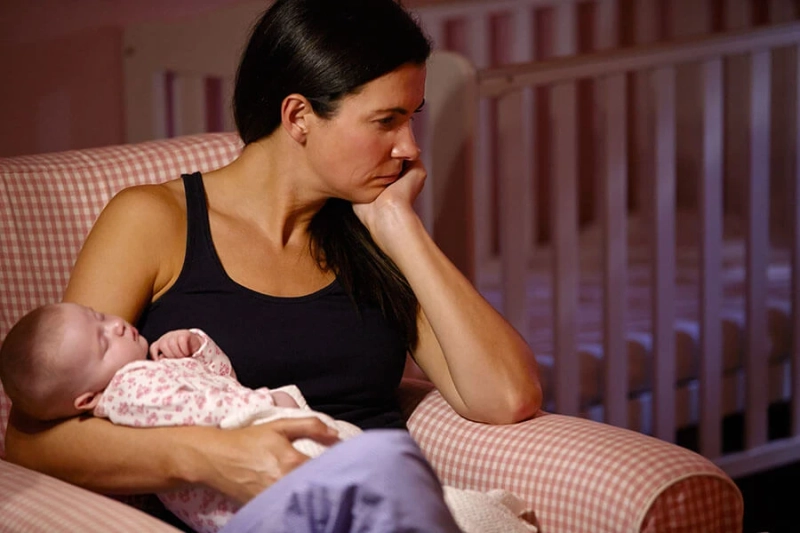
Postpartum depression (PPD) is a mental health condition that affects many new mothers after childbirth. While the joy of bringing a baby into the world can be overwhelming, the emotional toll of pregnancy and childbirth can lead to feelings of sadness, anxiety, and exhaustion. Postpartum depression can interfere with a mother's ability to care for herself and her baby, but with the right support and treatment, it is entirely possible to heal and regain emotional balance.
Here’s a guide on how to get rid of postpartum depression and begin your journey to emotional recovery.
1. Acknowledge Your Feelings and Seek Help
The first step in overcoming postpartum depression is acknowledging that you're struggling and that it's okay to ask for help. Many new mothers feel ashamed or guilty about experiencing negative emotions during what is supposed to be a joyful time. However, PPD is a common and treatable condition, and seeking help is a sign of strength, not weakness.
Reaching out to a mental health professional, such as a therapist or psychiatrist, is a crucial step. They can help you understand your symptoms, explore potential underlying causes, and create a treatment plan tailored to your needs. If you live in the Milwaukee area, postpartum depression treatment in Milwaukee, WI, offers specialized resources and care for new mothers facing these challenges.
2. Talk to Your Partner or a Trusted Support System
Postpartum depression can feel isolating, but you don’t have to go through it alone. Talking to your partner, family members, or friends about what you're feeling can provide emotional relief and strengthen your support network. Let them know how they can help, whether it's with baby care, household chores, or simply offering a listening ear.
Support from loved ones is essential during this time, as it helps you feel less alone and more empowered to manage your emotions.
3. Prioritize Self-Care
Self-care often takes a backseat for new mothers, but it’s essential for emotional recovery. Taking care of your body and mind can make a significant difference in how you feel. Start with small, manageable actions, such as:
- Getting adequate rest: Sleep deprivation can exacerbate symptoms of postpartum depression. While it’s challenging with a newborn, try to rest when the baby sleeps, ask for help with nighttime feedings, or consider hiring a night nurse if possible.
- Eating nutritious meals: A well-balanced diet supports your physical and mental health. Include foods rich in omega-3 fatty acids, folate, and vitamins that can help regulate mood.
- Exercise: Gentle physical activity, such as walking or postnatal yoga, can boost endorphins and improve your mood. Start slow and gradually increase your activity level as you feel able.
4. Consider Therapy
Therapy can be an incredibly effective way to manage and treat postpartum depression. Cognitive Behavioral Therapy (CBT) and interpersonal therapy are two types of therapy that have been shown to help individuals with PPD. Therapy can help you identify negative thought patterns, improve your coping skills, and process your emotions in a healthy way.
If you’re struggling to manage daily tasks or feel disconnected from your baby, therapy can also provide strategies to help you bond with your child and rebuild a sense of connection.
5. Explore Medication Options
For some women, therapy alone may not be enough to overcome postpartum depression. In these cases, medication may be recommended. Antidepressants, such as selective serotonin reuptake inhibitors (SSRIs), are often prescribed to help regulate mood and alleviate symptoms of depression. Your doctor will work with you to determine the best medication and dosage for your needs.
It’s important to remember that medication can take time to work, so patience and ongoing communication with your healthcare provider are key.
6. Join a Support Group
Support groups for new mothers with postpartum depression can be an invaluable resource. Connecting with others who are going through similar experiences can help you feel less isolated and more understood. In a support group, you can share your feelings, exchange coping strategies, and receive encouragement from others who truly “get it.”
Many hospitals, community centers, and online platforms offer postpartum depression support groups. If you’re in Milwaukee, you may be able to find local groups or virtual options through postpartum depression treatment providers.
7. Be Patient with Yourself
Healing from postpartum depression takes time. There is no quick fix, and it's important to be patient and gentle with yourself throughout the process. Recovery is different for every mother, and it may take several weeks or even months before you start feeling better. Celebrate the small victories and give yourself credit for the steps you’re taking toward healing.
It's also important to remember that asking for help or taking time for yourself does not make you a bad mother. In fact, taking care of your mental health enables you to be more present and engaged with your baby.
Conclusion
Postpartum depression is a challenging condition, but it is treatable, and many women recover with the right care and support. By acknowledging your feelings, seeking help, practicing self-care, and considering therapy or medication, you can begin to heal and feel like yourself again. If you're in need of support, postpartum depression treatment in Milwaukee, WI, offers specialized care tailored to your needs. Remember, you're not alone — with the right tools and support, you can overcome postpartum depression and thrive as a mother.