



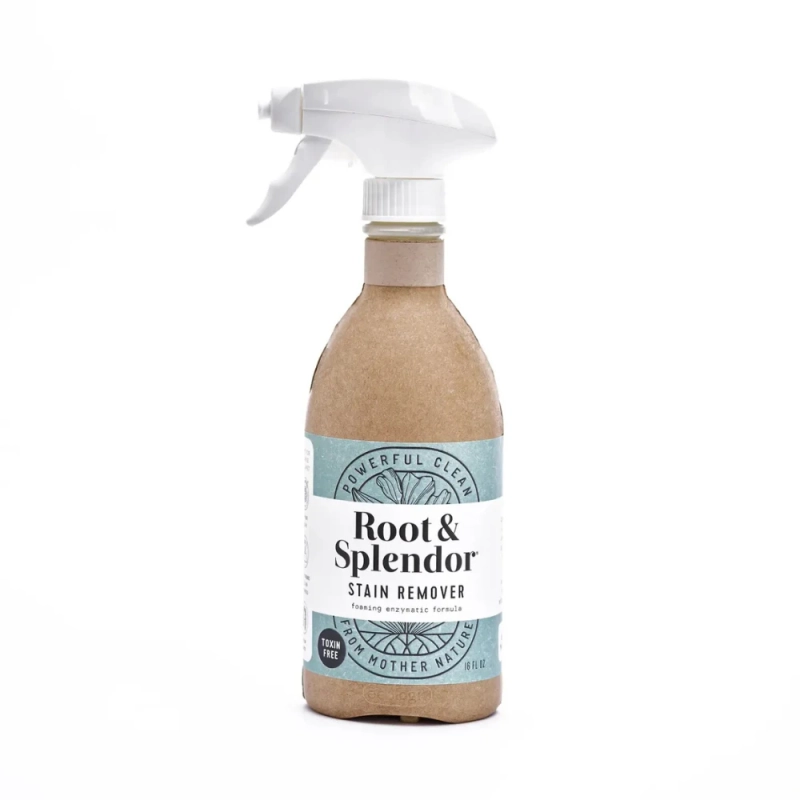
Stains in the home are common, whether it is hard water marks in the bathroom or food spills on fabric. But getting rid of them does not have to mean using harsh chemicals or spending hours scrubbing. With the right tools and techniques, you can handle everyday messes easily and safely.
In this guide, we’ll explore practical ways to deal with two of the most frustrating types of stains: mineral deposits caused by hard water and tough spots on clothing or upholstery. We’ll also explain how a good hard water stain remover and a reliable stain remover spray can simplify your cleaning routine.
Why Do Stains Happen So Often?
Stains form when particles stick to surfaces and are not easily washed away. In many cases, the material that causes the stain bonds with what it touches. The longer it sits, the harder it becomes to remove. That is why quick action and the right cleaning product are key.
The two main types of stains we’ll focus on are:
- Hard water stains: These appear as white, cloudy spots or film, usually on glass, metal, or tiles.
- Everyday fabric stains: From wine spills to grass marks, these can be hard to treat without the right spray or technique.
Understanding Hard Water and Its Effects
Hard water contains high levels of minerals like calcium and magnesium. Over time, these minerals build up and leave behind marks on surfaces, especially where water is used frequently, such as in the bathroom or kitchen.
Hard water stains are most often found on:
- Shower glass doors
- Faucets and fixtures
- Tiles and grout
- Kitchen sinks
- Dishes and glasses
These stains may look like soap scum, but they are often tougher to remove. Regular cleaning may not be enough unless you use a cleaner made for mineral buildup.
Choosing the Right Hard Water Stain Remover
A hard water stain remover is designed to break down the minerals left behind by water. The best products dissolve calcium and lime without damaging the surface underneath.
What to Look for in a Hard Water Stain Remover
When shopping for a stain remover for mineral deposits, keep the following in mind:
- Surface compatibility: Some products are safe for glass but not for stone or metal. Always check the label.
- Non-toxic ingredients: For households with kids or pets, opt for a non-toxic or plant-based formula.
- Ease of use: A spray or gel is usually easier to apply than powder-based options.
Before using any new product, test a small area first. Let it sit for a minute or two, then wipe clean with a cloth or sponge. If there is no discoloration or damage, you can safely clean the rest of the surface.
Tips for Removing Hard Water Stains
Here are some effective ways to use a hard water stain remover:
- Spray directly on affected areas like shower doors, let sit for 5 to 10 minutes, then scrub gently with a sponge or cloth.
- For faucets and showerheads, soak a cloth in the solution and wrap it around the fixture. Leave it for 15 to 30 minutes before rinsing.
- Repeat the process weekly to prevent new stains from forming.
If your water is especially hard, consider installing a water softener to reduce future buildup.
Fabric Stains: Why They Are So Difficult
Clothing and fabric stains are another common household challenge. Whether it is a splash of coffee, ink from a pen, or a grass stain from outdoor play, many stains can become permanent if not treated the right way.
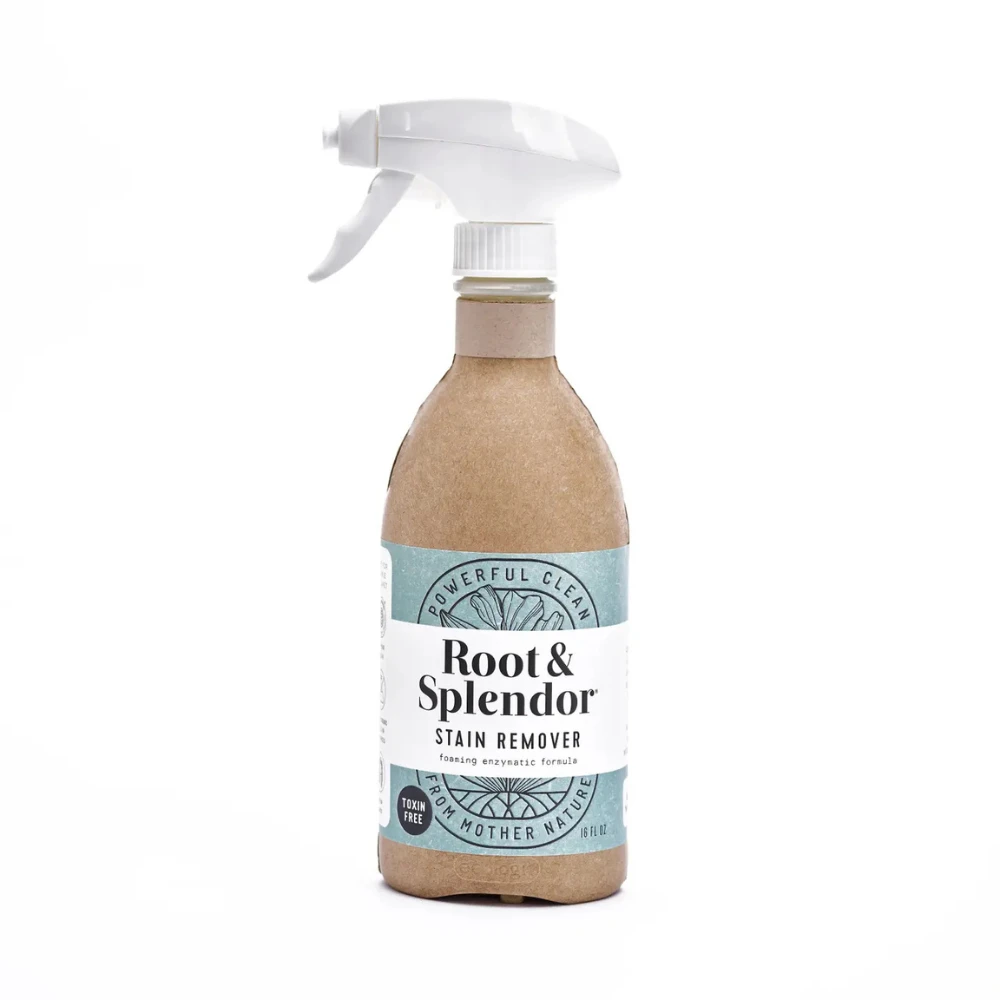
Unlike hard surfaces, fabrics absorb liquids quickly, which means the stain sets in fast. That is why having a quality stain remover spray in your laundry routine is essential.
How a Stain Remover Spray Works
A stain remover spray is designed to break down the molecules in the stain so they can be lifted out of fabric during washing. The spray should be applied as soon as possible after the stain occurs.
When to Use a Stain Remover Spray
Some of the most common fabric stains that benefit from a good remover include:
- Food and beverage stains (wine, ketchup, coffee)
- Grease and oil spots
- Ink or marker marks
- Blood or protein-based stains
- Grass and dirt from outdoor activities
The most effective sprays are those that are gentle on fabric but tough on stains. Some are enzyme-based, which helps break down organic materials like food or sweat.
How to Use Stain Remover Spray Effectively
Here are a few tips to get the most out of your spray:
- Act fast: Apply the spray as soon as you notice the stain.
- Blot, don’t rub: Rubbing can spread the stain further.
- Let it sit: Allow the spray to soak in for at least 5 to 10 minutes before washing.
- Wash normally: Follow the care label on your clothing and use the warmest water safe for the fabric.
Preventing Stains in the First Place
While removers are useful, prevention is always better. Here are two simple ways to reduce staining in your home:
- Wipe down surfaces daily where water is used often, especially around sinks and showers. This prevents mineral buildup from becoming noticeable.
- Treat fabrics with a protective spray or wash with gentle detergents that help prevent stains from setting.
These habits only take a few extra minutes each week but can make a big difference in keeping your home clean and your belongings looking newer for longer.
Eco-Friendly Cleaning Options
More people today are looking for ways to reduce their environmental impact. That includes switching to non-toxic or natural cleaning products. The good news is that many effective hard water stain removers and fabric sprays are now available in eco-friendly formulas.
These products use plant-based ingredients, avoid harsh chemicals, and are often sold in refillable or recyclable packaging. They work just as well as traditional cleaners but with less impact on your health and the planet.
Conclusion
Keeping your home clean does not have to involve strong chemicals or exhausting scrubbing. With the right products like a hard water stain remover for mineral buildup and a stain remover spray for fabrics, you can handle even tough stains more easily and safely. These simple tools help you take control of cleaning in a more thoughtful way.
For those ready to make better choices for their homes and the environment, Mission Refill is a refilling store offering eco-conscious cleaning and household products that support sustainable living.