



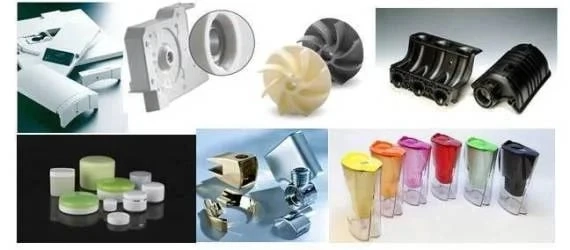
In the world of manufacturing, achieving efficiency, cost-effectiveness, and high-quality results is the ultimate goal. To reach these objectives in China Plastic Injection Molding, it\'s crucial to start with the essential foundation: designing for manufacturability.
Ahead in this comprehensive guide, we\'ll take you through the critical steps and principles to ensure your injection-molded products not only meet your specifications but also keep manufacturing costs in check.
Understanding Injection Molding
Injection molding is a versatile and widely used manufacturing process that involves injecting molten material into a mold cavity. The material then cools and solidifies to create a vast array of plastic and metal components.
You must understand the key components of this Plastic Injection Molding. It includes the injection unit, the clamping unit, the mold, and the ejection system. Familiarity with terminology like runners, sprues, and gates is also essential to effectively communicate your design intentions to manufacturers.
Key Design Principles for Injection Molding
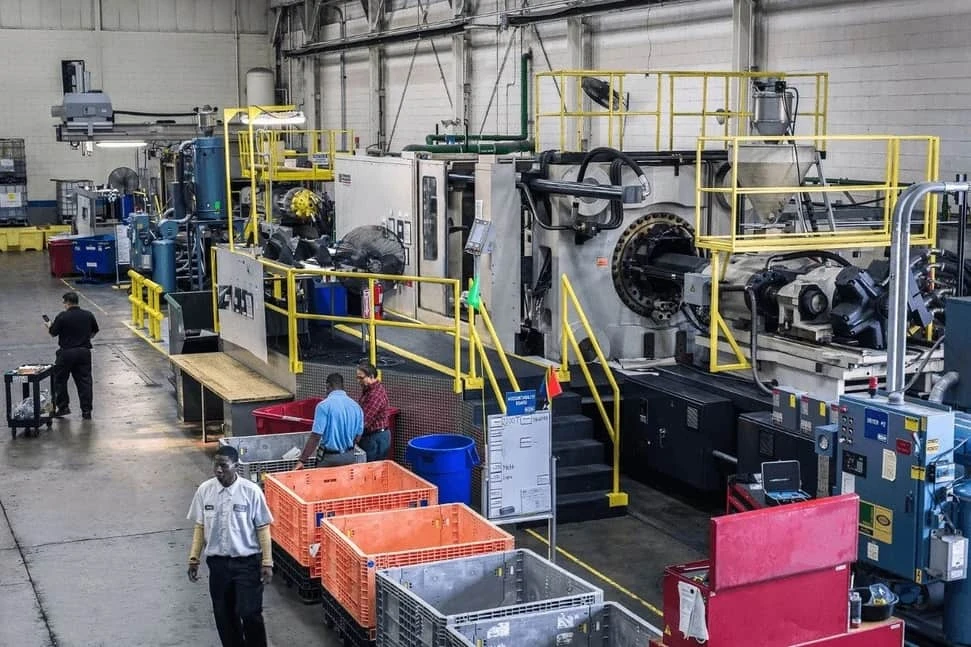
Designing for manufacturability in Plastic Injection Molding requires a keen eye for detail. Apart from the basic principles mentioned earlier, it\'s essential to consider the following factors:
1. Draft Angles: Incorporate draft angles into your design to facilitate easy part ejection from the mold. Typically, a draft angle of 1-2 degrees per side is sufficient, but this may vary based on the material and part geometry.
2. Uniform Wall Thickness: Maintain consistent wall thickness throughout the part to prevent defects like warping, sink marks, and voids. Utilize thickness guidelines provided by material suppliers and mold designers for optimal results.
3. Avoiding Undercuts: Identify and eliminate or minimize undercuts in your design, as they can complicate mold release. Utilize side-actions, slides, or other mechanisms if necessary to address undercuts.
4. Parting Lines: Carefully choose parting lines where the mold will split to release the part. Minimize the number and complexity of parting lines to reduce production time and potential defects.
5. Radii and Fillets: Use radii and fillets to distribute stresses evenly and prevent weak points in your design. Consider the mechanical properties of the material when determining the size of radii and fillets.
Balancing all these factors is crucial for an effective injection molding design.
Material Selection
Material selection plays a pivotal role in the success of your injection molding project. It impacts not only the product\'s physical properties but also its visual appearance and cost. Consider your project\'s specific requirements like temperature resistance, strength, durability, and cost-effectiveness.
Thermoplastics like polypropylene, ABS, and polycarbonate are some popular injection molding materials, each with its unique characteristics. Collaborate with material experts to determine the ideal material that matches your project\'s needs.
Tooling Considerations
Tooling is the backbone of the China Plastic Injection Molding project. The mold design, cavity layout, and cooling systems are pivotal to the success of your project. A well-designed mold with a smooth cavity layout can reduce cycle times and minimize the chances of defects. Cooling systems are equally important. Efficient cooling ensures proper solidification of the material and helps maintain consistent part quality.
In-depth collaboration with tooling experts like iMold USA, LLC is advisable to ensure the tooling aspects align with your design objectives and manufacturability requirements.
Designing for Efficiency and Quality
Efficiency and quality are intertwined in injection molding design. Lean, efficient designs not only save time but also reduce material waste. Minimize the use of excessive material by optimizing wall thickness and reducing the need for secondary processes.
To maintain quality, focus on designing parts with consistent thickness, minimizing sharp corners, and ensuring proper material flow. Consistency in part quality not only saves resources but also enhances the reputation of your products.
Design Mistakes to Avoid
Understanding and avoiding common design mistakes is pivotal in the quest for manufacturability.
1. Neglecting Draft Angles: Failure to include draft angles can result in parts getting stuck in the mold, leading to increased production time and cost.
2. Inconsistent Wall Thickness: Non-uniform wall thickness can cause defects such as warping, sink marks, and voids, compromising part quality.
3. Ignoring Material Limitations: Overlooking the limitations of your chosen material can lead to issues like poor strength or undesirable visual properties.
4. Complex Parting Lines: Excessive or overly complex parting lines can complicate the mold setup, increasing the chances of defects and production difficulties.
5. Inadequate Consideration of Undercuts: Failing to address undercuts properly can lead to issues during mold release and assembly, impacting the overall manufacturability of the part.
Avoiding these common mistakes can help enhance the manufacturability of your injection-molded parts and achieve better results in terms of quality and cost-effectiveness. Yes, these pitfalls are easily preventable with a keen awareness of the design principles and collaboration with experienced injection molders like China Casting Orlando.
Final Words
So basically, designing for manufacturability in injection molding is a mixed process that requires a deep understanding of the materials, tooling, and design principles. Adhering to key principles, making informed material selections, and avoiding common design errors can all contribute to the production of injection-molded parts that meet quality standards while minimizing production costs. Remember, keeping manufacturability in mind throughout the design phase is the key to achieving optimal results in China Plastic Injection Molding.