



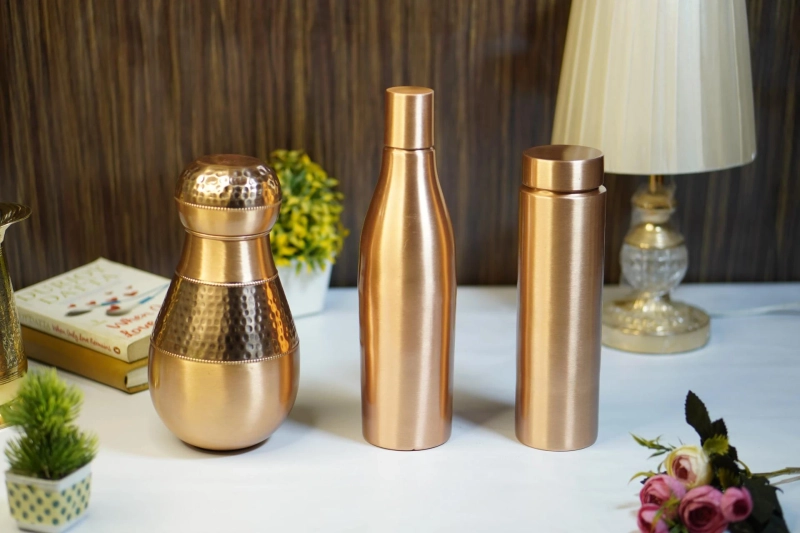
Brass utensils have always held a special place in Indian homes. Their beautiful golden sheen, durability, and traditional appeal make them popular for cooking, serving, and decorating. But like any metal, brass can lose its shine over time. Exposure to air, moisture, oil, and food residues leads to tarnish and dark spots. The good news? Cleaning brass utensils is simple, inexpensive, and can be done with natural ingredients available in every kitchen.
Here’s a detailed, step-by-step guide to help you restore the natural shine of your brass utensils.
1. Understand Your Brass: Tin-Coated vs. Non-Coated
Before cleaning, check whether your brass utensil is tin-coated (kalai) or pure brass. Tin-coated utensils should not be scrubbed harshly with abrasive powders because it may damage the coating. Pure brass utensils can withstand stronger polishing ingredients.
Handcrafted utensils—like the ones artisans create for brands such as BrassGlobe—often come with a traditional finish, so gentle cleaning helps maintain their natural look for years.
2. Lemon and Salt: The Classic Cleaning Method
One of the oldest and most effective ways to clean brass is by using lemon and salt.
How to use it:
- Cut a lemon in half.
- Sprinkle salt on the cut side.
- Rub the lemon directly on the brass surface.
- The acid dissolves tarnish, and the salt adds gentle abrasion.
- Rinse with warm water and dry immediately.
This method works particularly well for utensils that need a quick shine.
3. Vinegar and Flour Paste: Deep Cleaning for Heavy Tarnish
If your brass utensil has dark, stubborn patches, try this thick paste.
Ingredients:
- 1 tablespoon vinegar
- 1 tablespoon salt
- 2–3 tablespoons flour
Method:
- Mix ingredients into a smooth paste.
- Apply evenly all over the utensil.
- Leave it for 20–30 minutes.
- Scrub gently with a soft cloth or sponge.
- Rinse thoroughly and dry.
This method pulls out deeper oxidation without scratching the metal.
4. Baking Soda and Lemon: Extra Shine Booster
For utensils that need an extra glow, this combination works wonders.
Steps:
- Sprinkle baking soda on the brass surface.
- Squeeze lemon juice on top.
- The fizzing action removes tarnish instantly.
- Wipe clean and rinse.
Avoid using this method on tin-coated utensils.
5. Warm Soapy Water for Regular Cleaning
To maintain your utensils, wash them regularly with mild dish soap and warm water. Avoid harsh chemical cleaners, as they can dull the finish.
Dry them immediately after washing to prevent watermarks.
6. Final Polishing: Mustard Oil or Coconut Oil
A thin layer of oil helps maintain shine and slows down oxidation.
- Apply a few drops on a soft cloth.
- Rub gently until the surface glows.
Conclusion
Cleaning brass utensils doesn’t require expensive solutions—just a few simple ingredients and regular maintenance. With proper care, brass can last for generations while adding warmth and tradition to your kitchen. If you’re looking for authentic, handcrafted options, brands like BrassGlobe offer premium brass utensils that are easy to maintain and built to last.
Keeping your brass clean not only enhances its beauty but also preserves the heritage it represents.