


Choosing the right size towing truck for your vehicle ensures safe and efficient towing. Whether you\'re facing a breakdown, moving a non-operational car, or planning for potential roadside emergencies, understanding the different types of tow trucks and their capacities can save you time, money, and stress. This guide will help you make an informed decision about which tow truck size is best suited for your needs.
Understanding Towing Truck Types
Tow trucks come in various types, each designed for specific purposes. Here are the main types you\'ll encounter:
Flatbed Tow Trucks
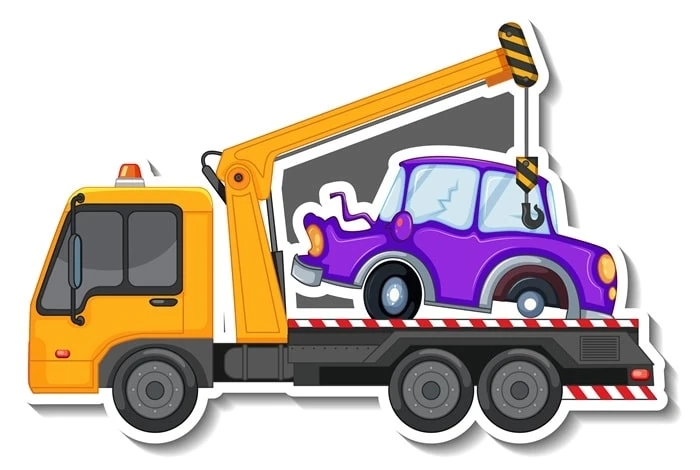
Flatbed tow trucks are the most versatile and commonly used tow truck and best for long distance towing. They have a large, flat platform that can be inclined using hydraulics, allowing the vehicle to be driven or winched onto the bed. These are ideal for:
All-wheel-drive (AWD) or four-wheel-drive (4WD) vehicles: Flatbeds prevent damage to the drivetrain.
Luxury or classic cars: They provide a secure and stable way to transport these vehicles.
Vehicles with severe damage: If the car cannot be driven due to an accident, flatbeds can handle the load without causing further damage.
Hook and chain tow trucks
Hook-and-chain tow trucks are an older type of tow truck that uses chains wrapped around the axle or frame of the vehicle to lift it partially off the ground. These are generally used for:
Scrap vehicles when damage is not a concern.
Short distances: Due to the potential for additional damage, these are best for short, local tows.
Wheel-Lift Tow Trucks
Wheel-lift tow trucks use a metal yoke that hooks under the front or rear wheels of the vehicle, lifting it off the ground while the other wheels remain on the road. These are suitable for:
Smaller cars and light trucks are effective for quick tows and local moves.
Non-damaged vehicles: as long as the vehicle is drivable but needs to be relocated.
Integrated tow trucks
Integrated tow trucks, also known as self-loading or repo trucks, have extra axles and are used primarily for heavy-duty tasks. These are perfect for:
Large vehicles: buses, trucks, and other heavy-duty vehicles.
Emergency situations: They provide quick and efficient towing for heavy vehicles.
Factors to Consider When Choosing a Tow Truck from Roadside Service
Choosing the right tow truck involves more than just picking a type. Here are some crucial factors to consider:
Vehicle Size and Weight
The most critical factor is your vehicle\'s size and weight. Check your vehicle’s manual for its curb weight and gross vehicle weight rating (GVWR). Ensure the tow truck you choose can handle these specifications. Overloading a tow truck can cause severe damage and safety hazards.
Vehicle Condition
Consider the condition of your vehicle. Is it drivable, or does it have severe damage? For non-drivable or heavily damaged vehicles, a flatbed tow truck is often the best choice to prevent further damage during the towing process.
Distance to Tow
The distance your vehicle needs to be towed also matters. For long distances towing, a flatbed tow truck is generally the safest and most secure option. For short, local tows, a wheel-lift or hook-and-chain tow truck might suffice, depending on the condition of your vehicle.
Type of Transmission
Vehicles with all-wheel-drive (AWD) or four-wheel-drive (4WD) systems can suffer drivetrain damage if towed incorrectly. Flatbed tow trucks are recommended for these types of vehicles to avoid damage. For front-wheel-drive or rear-wheel-drive vehicles, wheel-lift tow trucks are usually adequate.
Cost and Availability
Cost is always a factor. Flatbed tow trucks tend to be more expensive due to the additional equipment and effort involved. However, the investment can be worth it to avoid potential damage to your vehicle. Check with local towing companies to compare the prices and availability of different tow trucks.
Practical steps to take
Now that you have a good understanding of the different types of tow trucks or towing van and the factors to consider, here are some practical steps to ensure you choose the right tow truck for your vehicle:
Check your vehicle’s specifications: Look up the curb weight and GVWR in your vehicle’s manual or online.
- Assess the situation: Determine the extent of damage and whether your vehicle can be driven onto a flatbed or needs to be winched.
- Research Local Towing Services: Contact several towing companies in Detroit to inquire about the types of tow trucks they offer, their availability, and their rates.
- Explain your Needs Clearly: When you contact a towing service, explain the condition of your vehicle, the distance it needs to be towed, and any special considerations (like AWD or 4WD).
- Confirm the Tow Truck Type: Make sure the towing company sends the appropriate type of tow truck based on your vehicle’s needs.