In the modern food industry, packaging has evolved beyond its traditional role of just protecting products. Today, it acts as a crucial component of brand identity, customer convenience, food safety, and even sustainability. As consumer preferences change and businesses face growing demands for eco-friendly, cost-effective solutions, flexible packaging has become one of the fastest-growing segments in the packaging world.
Flexible packaging combines innovation, functionality, and efficiency, making it ideal for both small businesses and large-scale manufacturers. Whether you are packaging snacks, dairy, frozen items, or ready-to-eat meals, selecting the right packaging material ensures longer shelf life, customer trust, and regulatory compliance. In this article, we’ll explore how to choose the right flexible packaging material for food products and why partnering with White Lotus Industries can give your brand a competitive edge.
Understanding Flexible Packaging
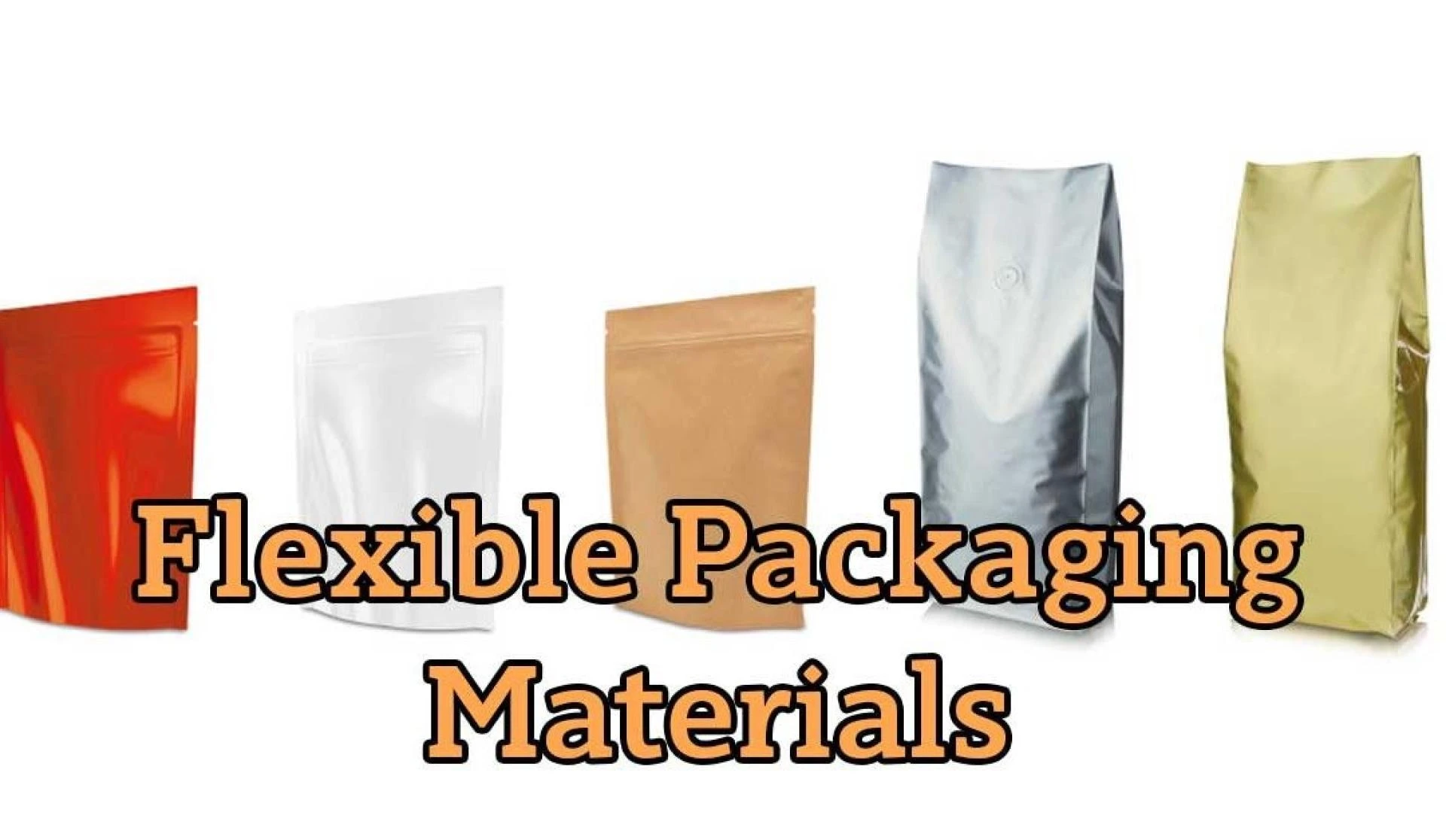
Flexible packaging is defined as any packaging whose shape can be easily changed—like bags, pouches, films, or wraps. Unlike rigid packaging (such as cans, bottles, or boxes), flexible packaging is lightweight, customizable, and requires fewer resources to produce.
Some of its key advantages include:
- Lightweight & Space-Saving: Reduces storage and transport costs.
- Customizable: Can be tailored to different shapes, sizes, and designs.
- Barrier Properties: Protects against moisture, air, and light.
- Consumer Convenience: Options like resealable zippers, spouts, and easy-tear features.
- Sustainability: Uses fewer raw materials and can be recyclable or biodegradable.
For businesses in the food industry, flexible packaging offers both functional and marketing benefits, making it an essential choice in 2025 and beyond. Companies like White Lotus Industries specialize in providing flexible packaging materials that meet both regulatory requirements and consumer expectations.
Factors to Consider When Choosing Flexible Packaging
1. Food Safety and Shelf Life
Food safety is the top priority in packaging. The right flexible packaging must prevent contamination, leakage, or spoilage. Shelf life is directly impacted by the material’s barrier properties:
- Moisture Resistance: Keeps dry products like cereals and chips fresh.
- Oxygen Barriers: Protects perishable goods like meat, cheese, and coffee.
- UV Protection: Prevents color fading and nutrient loss in beverages or oils.
For example, a bag of roasted coffee beans requires high-barrier laminates to maintain freshness and aroma, while frozen vegetables need puncture-resistant packaging that withstands freezing temperatures. White Lotus Industries provides advanced laminates and barrier films that ensure food remains fresh and safe until it reaches the consumer.
2. Type of Food Product
Different foods require different levels of protection. Some examples:
- Dry Foods (cereals, pasta, nuts): Require moisture-resistant films.
- Liquid & Semi-Liquid Foods (juices, sauces): Need leak-proof laminates with spouts.
- Frozen Foods (vegetables, meat, seafood): Need durable, puncture-resistant materials.
- Snacks (chips, biscuits): Require oxygen and grease resistance.
- Ready-to-Eat Meals: Often use retort pouches that withstand sterilization.
By analyzing the product type, businesses can avoid under-packaging (which risks spoilage) or over-packaging (which increases unnecessary costs).
3. Material Options for Flexible Packaging
Here are the most common flexible packaging materials used in the food industry:
- Polyethylene (PE): Excellent moisture resistance, widely used for frozen foods and dry snacks.
- Polypropylene (PP): Strong and transparent, ideal for bakery products and snacks.
- Polyester (PET): Known for high barrier properties and durability, used in pouches and laminates.
- Aluminum Foil Laminates: Offers the best barrier protection against oxygen, light, and bacteria—ideal for dairy and long-shelf-life foods.
- Biodegradable & Compostable Films: Made from renewable sources like starch or cellulose, perfect for brands prioritizing sustainability.
White Lotus Industries offers all of these material options and helps brands decide which one fits their product requirements, balancing safety, cost, and environmental goals.
4. Packaging Functionality
Modern consumers expect packaging to be user-friendly. Functional features increase customer satisfaction and repeat purchases. Examples include:
- Zippers or Velcro Closures: Allow resealing after use.
- Spouts: Perfect for liquids and baby food.
- Stand-Up Pouches: Save shelf space and look attractive.
- Tear Notches: Make it easy to open without scissors.
Adding these functionalities not only enhances convenience but also adds value to your brand. White Lotus Industries designs packaging solutions with advanced functionality that aligns with consumer trends.
5. Branding and Design
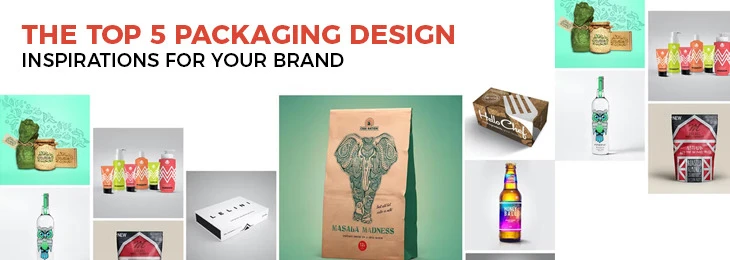
First impressions matter—packaging often determines whether a customer picks your product over a competitor’s. Flexible packaging allows high-definition printing, matte or glossy finishes, and unique shapes that reflect your brand identity.
For instance:
- Bright, vibrant packaging works well for snack foods targeting kids.
- Minimalist, eco-friendly designs appeal to health-conscious consumers.
- Premium metallic finishes help position luxury food products.
White Lotus Industries provides advanced printing and customization options so your packaging becomes a powerful marketing tool.
6. Sustainability and Eco-Friendly Choices
Sustainability is no longer optional—it’s an expectation. Consumers actively prefer brands that use eco-friendly packaging. Flexible packaging already reduces material usage compared to rigid packaging, but businesses can go further by choosing recyclable, compostable, or biodegradable films.
Benefits of sustainable packaging include:
- Improved Brand Image – Consumers trust eco-conscious companies.
- Compliance with Regulations – Many regions now demand sustainable packaging.
- Reduced Carbon Footprint – Helps meet corporate social responsibility goals.
White Lotus Industries leads in offering green packaging solutions, enabling brands to switch to eco-friendly materials without compromising on performance.
7. Cost Considerations
Cost is an important factor, especially for small and medium-sized food businesses. Flexible packaging generally costs less to produce, store, and transport compared to rigid packaging. However, the cheapest option is not always the best—low-quality packaging can lead to product damage and consumer complaints.
By working with White Lotus Industries, brands can optimize costs without sacrificing durability, safety, or design. Their expertise ensures a balance between affordability and quality.
Common Types of Flexible Packaging for Food Products
Some popular packaging formats include:
- Stand-Up Pouches: Widely used for coffee, snacks, and health foods.
- Flat Pouches & Sachets: Great for single-serve sauces, powders, or condiments.
- Vacuum Pouches: Extend shelf life for meat and seafood.
- Shrink Films & Wraps: Ideal for multipacks and protective layers.
- Retort Pouches: Suitable for sterilized ready meals and soups.
Each type comes with unique benefits, and White Lotus Industries helps businesses choose the right option based on product type and target market.
Tips for Selecting the Right Packaging Partner
Your packaging supplier plays a critical role in ensuring food safety, innovation, and sustainability. When selecting a partner, consider:
- Experience in Food Packaging – Years of expertise ensure reliability.
- Customization Capabilities – Tailored solutions to fit your brand’s needs.
- Quality Certifications – Compliance with global food safety standards.
- Innovation & Technology – Use of the latest printing and packaging techniques.
- Sustainability Commitment – Ability to provide eco-friendly solutions.
White Lotus Industries has built a reputation as a trusted partner in the food packaging industry by offering quality, innovative designs, and sustainability-driven solutions.
Conclusion
Choosing the right flexible packaging material for food products is a strategic decision that impacts product quality, consumer trust, and brand reputation. From ensuring food safety and shelf life to offering sustainable solutions and attractive designs, every factor plays a crucial role.
With expertise, advanced material options, and a strong focus on eco-friendly solutions, White Lotus Industries stands out as the ideal packaging partner for food businesses worldwide. By working with the right supplier, you can secure packaging that not only preserves your product but also strengthens your brand identity in an increasingly competitive market.