
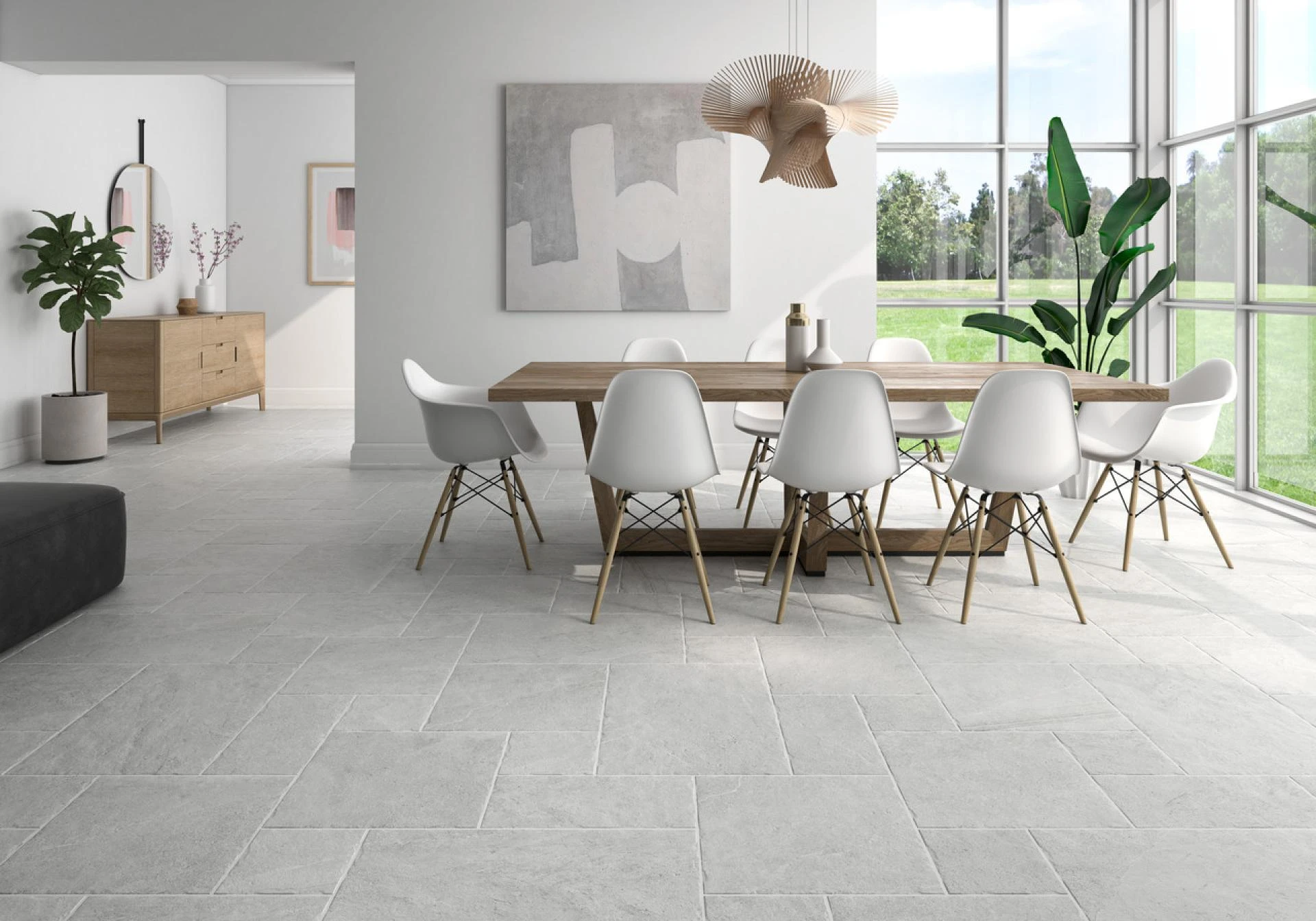
Natural light is one of the most important factors when designing or renovating your home. It doesn’t just affect the mood of a space, but also how your interiors look throughout the day. When it comes to flooring, the amount of sunlight a room gets can make or break the aesthetics of your space. That’s why choosing the right floor tiles in UK homes requires a careful balance of shade, finish, and material, depending on how much natural light enters the room.
Let’s dive into how you can choose the best tiles for each space, based on light levels, style, and practicality.
Why Natural Light Matters in Tile Selection
Natural light changes how colors and finishes appear. A tile that looks bright and airy in a sunlit showroom may feel dull in a dimly lit hallway. On the flip side, a glossy tile in a room with excessive sunlight may cause glare and create discomfort.
Here’s why understanding light is crucial:
- Enhances or dulls tile shades: Light colors can look washed out in bright rooms but perfect in darker ones.
- Affects room size perception: Bright tiles in a dim space make rooms feel larger, while darker tones ground overly bright spaces.
- Impacts mood: Warm natural light pairs beautifully with earthy tones, while cool light complements neutral and modern tiles.
North-Facing vs South-Facing Rooms
- North-facing rooms usually get less direct sunlight, so they often appear cooler and dimmer. To compensate, choose warmer-toned tiles such as beige, honey, or cream. Matte finishes work well to avoid overly stark reflections.
- South-facing rooms receive plenty of daylight, which means cooler shades like grey, stone, or white can balance out the warmth. Glossy finishes also help reflect light and enhance the airy vibe.
East and West-Facing Rooms: The Transition Spaces
- East-facing rooms are flooded with morning light but dim out in the afternoon. Neutral tones with soft gloss finishes can keep them bright all day.
- West-facing rooms glow with warm evening light, which intensifies earthy or red-toned tiles. Choosing lighter neutrals prevents the space from looking too heavy.
Matte vs Glossy Tiles: Which Works Best with Light?
One of the biggest decisions you’ll face is whether to go matte or glossy. Both have their strengths depending on how much natural light you get:
- Glossy tiles: Great for darker spaces, as they reflect light and give the illusion of openness. Perfect for hallways, compact kitchens, and small living rooms.
- Matte tiles: Ideal for bright rooms since they reduce glare and create a soft, cozy finish. They also offer better slip resistance for areas like bathrooms.
Tile Size & Layout: The Light Multiplier
The size of your tiles also influences how natural light interacts with the room.
- Large-format tiles reduce grout lines, creating a seamless, open look that works well in naturally bright spaces.
- Small mosaic tiles add texture and depth to areas with less light, bouncing it around in interesting ways.
- Diagonal or horizontal patterns can make narrow rooms look wider and help light spread evenly across the space.
Color Psychology: Matching Light with Tile Hues
- For darker rooms: Whites, creams, and pastels instantly brighten the space. A soft gloss finish further enhances this effect.
- For bright rooms: Medium greys, charcoals, and wood-effect tiles add balance, preventing the space from looking washed out.
- For transitional light: Beige and taupe tiles work universally, adapting beautifully to changing light throughout the day.
The Role of Materials in Light Reflection
The material of your floor tiles plays a big role in how they reflect or absorb natural light:
- Ceramic tiles: Excellent for mid-light rooms, available in matte and glossy options.
- Porcelain tiles in UK: Highly durable and versatile, with finishes that work for both bright and dim spaces. Their subtle reflective properties make them perfect for creating a timeless yet practical flooring solution.
- Stone-effect tiles: Add warmth and natural charm, best suited for bright spaces where textures can shine.
Common Mistakes to Avoid When Choosing Tiles for Natural Light
- Ignoring light direction – Just because a tile looks great under showroom lights doesn’t mean it’ll look the same at home. Always test a sample in your actual room.
- Overusing glossy tiles in sunny rooms – This creates glare and discomfort.
- Choosing dark tiles in dim spaces – Instead of cozy, the room may feel cave-like.
- Mismatching grout colors – Dark grout with light tiles in low-light rooms can make flooring look segmented and smaller.
- Not considering artificial lighting – Remember, once the sun sets, your tiles should still complement your lighting fixtures.
Styling Tips: How to Maximize Light with Tiles
- Use mirrors and reflective surfaces alongside glossy tiles in dim rooms.
- Pair matte, textured tiles with sheer curtains in bright rooms to diffuse harsh sunlight.
- Opt for lighter grout colors to enhance seamlessness in low-light spaces.
- Mix tile finishes—for example, matte floor tiles with glossy wall tiles—to balance light reflection.
- Use warm accessories (like rugs or cushions) in cooler-lit rooms to soften the effect.
Final Thoughts
Natural light is the secret ingredient that transforms ordinary flooring into something spectacular. By carefully pairing tile shades, finishes, and materials with the direction and intensity of light in your home, you can achieve spaces that feel both stylish and functional all year round.
If you’re planning a renovation or new build, always test samples in your actual rooms before making a decision. And most importantly, shop from a reliable floor tiles store in UK that offers a wide variety of high-quality options, so you can find the perfect match for your home’s lighting and style.