
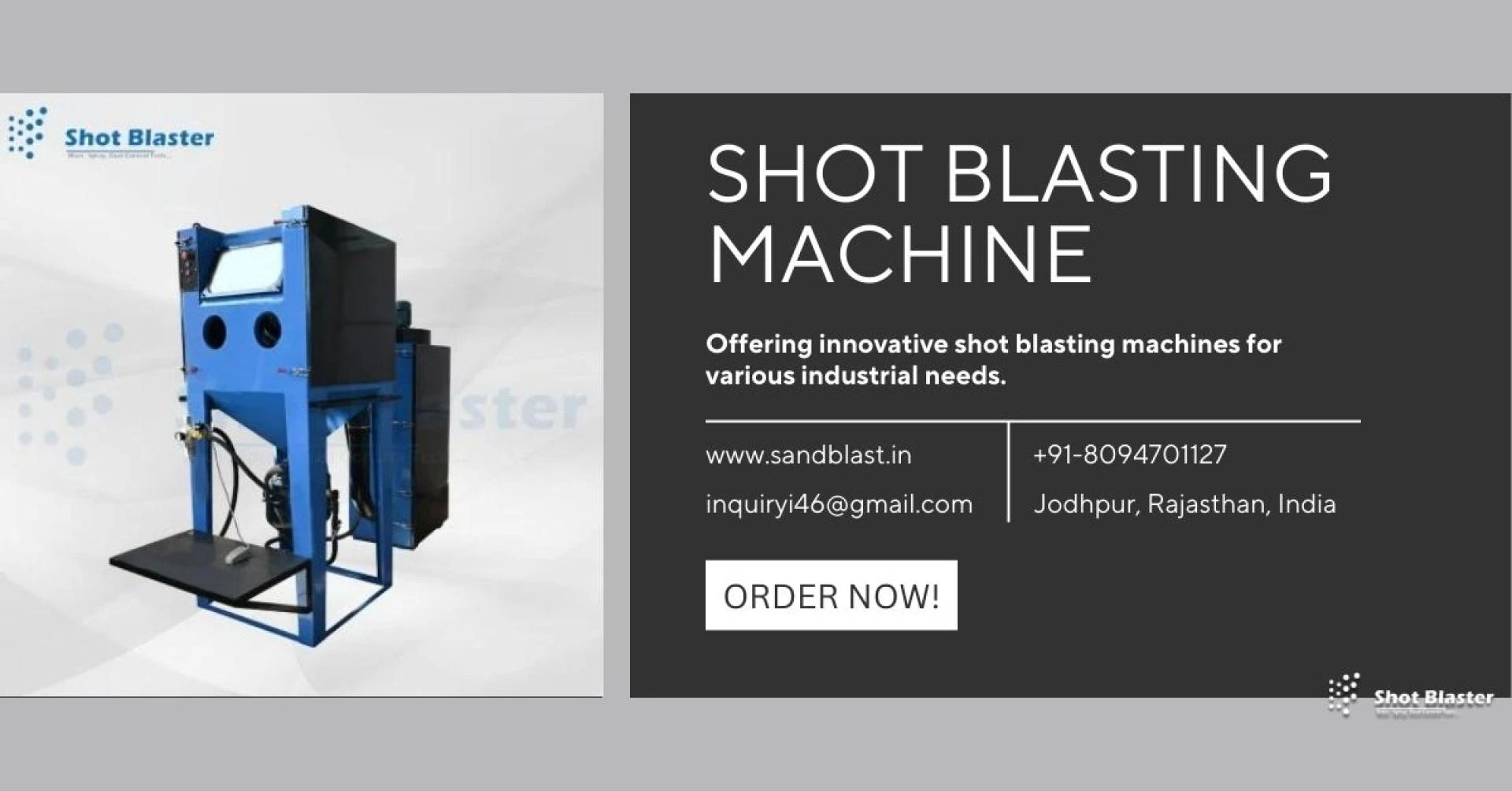
Confused about which shot blasting machine to choose for tough surface treatments? Dive into this detailed guide on how to choose a shot blasting machine for heavy-duty surface treatment with pro tips, FAQs, and expert advice that makes decision-making a breeze!
Introduction
Picture this: You’re staring at rusted, crusty metal surfaces that look like they’ve seen better decades. You need something tough, reliable, and efficient to bring them back to life. That’s when shot blasting comes marching in like a superhero with grit—literally.
But here’s the kicker: With a dozen types of machines, tech specs, blast wheels, and power ratings staring back at you, choosing the right one can feel like rocket science. Fret not! If you’re wondering how to choose a shot blasting machine for heavy-duty surface treatment without losing your mind—or your budget—this guide is your one-stop ticket.
Let’s blast through the confusion, shall we?
Why Shot Blasting Matters in Heavy-Duty Industries
In the world of industrial surface treatment, first impressions matter—and surfaces speak volumes. Whether it’s prepping steel for painting, removing rust from machinery, or cleaning up ship hulls, shot blasting machines are the unsung heroes.
Benefits of Shot Blasting for Heavy-Duty Jobs
- Surface Strengthening – It doesn't just clean; it strengthens the metal.
- Improved Adhesion – Paint, coatings, or welding? Blasted surfaces bond better.
- Extended Lifespan – Rust-free is stress-free.
- Eco-Friendly – Recyclable media, minimal waste.
- Time-Saving – Fast and furious cleaning action.
And hey, when done right, shot blasting makes everything look brand new. But getting it wrong? That’s a whole different story.
So, What Is a Shot Blasting Machine Exactly?
At its core, a shot blasting machine throws abrasive media (like steel shots or grits) at high velocity onto surfaces to clean, strengthen, or polish them. Think of it as pressure washing on steroids—but for metal.
There are two main types:
- Air Blast Machines – Use compressed air to propel the abrasive. Best for precision work.
- Wheel Blast Machines – Use a spinning wheel to sling the media. Ideal for large-scale, heavy-duty jobs.
How to Choose a Shot Blasting Machine for Heavy-Duty Surface Treatment
Alright, time to roll up your sleeves. Here's a step-by-step breakdown that takes the guesswork out of this buying decision.
1. Define Your Application
Before you even glance at a catalog, ask yourself:
- What kind of surfaces will you be treating? (Steel plates, pipes, castings?)
- Are you removing rust, paint, scale, or something else?
- Will it be used in a stationary setup or need to be mobile?
🔍 Pro tip: Not all blasting machines are created equal. Matching your need to the machine type is half the battle.
2. Know Your Volume and Throughput Needs
How much surface are you treating daily?
- Low Volume: Occasional jobs? A smaller air blast cabinet might do.
- Medium to High Volume: A tumblast or spinner hanger machine can keep up.
- Massive Output Needs: Go for a pass-through or continuous shot blasting system.
If you’re in the shipbuilding, steel fabrication, or heavy casting biz, you'll definitely want machines that don’t blink under pressure.
3. Pick the Right Media
The machine and the abrasive go hand-in-hand. Common types include:
- Steel Grit – Tough jobs, paint/rust removal
- Steel Shot – Polishing, peening
- Aluminum Oxide – Delicate but stubborn surfaces
- Glass Beads – Light cleaning and smooth finishes
Some machines are versatile; others are picky. Don’t get stuck with one that won’t handle your media.
Key Features to Look Out For
When figuring out how to choose a shot blasting machine for heavy-duty surface treatment, features are everything. Don’t settle for less!
Durability and Build Quality
- Heavy-duty steel construction
- Resistance to wear and tear
- Replaceable liners in blast chambers
Efficient Dust Collection System
Because trust us, you don’t want clouds of abrasive fog lingering around.
Media Recycling System
Smart machines recycle usable media, cutting costs and waste.
Automation and Controls
User-friendly interfaces, programmable settings, and real-time monitoring? Yes, please.
Safety Mechanisms
Emergency stops, overload protection, and dust suppression systems should come standard.
Common Mistakes to Avoid
- Overbuying – That massive, high-speed blaster looks cool but is overkill for light jobs.
- Ignoring Maintenance Needs – Some machines are maintenance nightmares.
- Forgetting About Power Requirements – Check voltage, current, and phase before you commit.
- Skipping After-Sales Support – Trust brands that offer training, support, and spare parts.
FAQs About Choosing Shot Blasting Machines
Q1: Can I use one machine for multiple surface types?
Yes, if it supports variable media and settings. But it’s better to focus on your primary use case for best results.
Q2: Is wheel blasting always better for heavy-duty treatment?
Not always—but for large volumes and thick rust, it’s often the better (and faster) choice.
Q3: How often should I maintain a shot blasting machine?
Depends on usage. For heavy-duty, daily jobs, do weekly checks. Don’t ignore wear on blast wheels and nozzles.
Q4: What's the average life of a shot blasting machine?
With good care? 10–15 years easily. But beat it up and neglect it, and it'll return the favor.
Q5: Should I buy or rent?
Renting is good for short-term gigs. But if you’re blasting full-time, ownership pays off quickly.
Also Check - https://dev.to/riya_singh_f1793849bbee74/best-shot-blasting-machine-for-sale-in-india-2025-edition-1ccg
Top Tip: Don’t Just Buy—Test
Whenever possible, request a demo or site visit. Seeing the machine in action, testing your media on your parts, and assessing real-time output is worth its weight in steel.
Bonus: Red Flags While Buying a Shot Blasting Machine
- Vague specifications or confusing manuals
- No mention of after-sales service
- Unbranded or overly cheap models
- Limited warranty or return policy
- Poor build quality (flimsy frames, exposed wiring)
If it smells fishy—it probably is. Go with reputable manufacturers known for industrial-grade quality.
Conclusion
Choosing the right shot blasting machine isn’t about picking the flashiest model or the one with the most bells and whistles. It’s about finding the perfect match for your workload, material, and goals.
So next time someone asks how to choose a shot blasting machine for heavy-duty surface treatment, you’ll know it’s part science, part strategy—and a whole lot of practical wisdom.
Whether you’re reviving ship decks, prepping massive steel beams, or just want your metal to shine like it’s fresh out of the forge—choosing right will make all the difference.
Happy blasting!
Want help picking the perfect machine for your next big job? Reach out to Shot Blaster—India’s leading name in industrial surface treatment solutions. We don’t just sell machines—we build long-lasting partnerships with steel-tough support.