
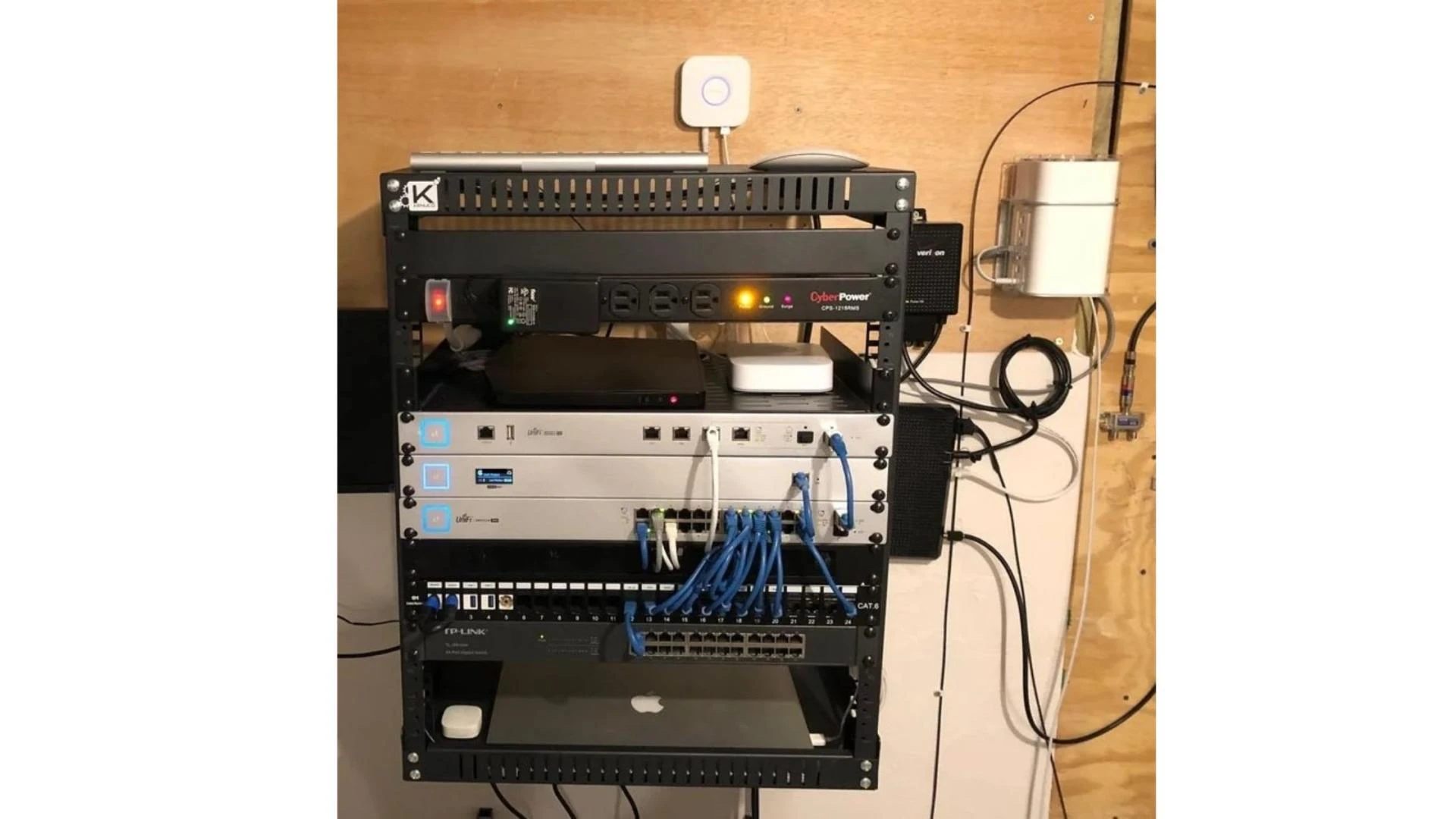
Downtime isn’t just inconvenient. For many businesses it translates into lost hours, lost customers and lost opportunities. The backbone of smooth connectivity often goes unnoticed—the physical cables, paths and connections that deliver data reliably. A well-designed structure removes many headaches before they appear.
Understand How Network Infrastructure Causes Outages
Some of the most common sources of network downtime include hardware failures, human errors and poor planning. Physical network cabling is part of that critical layer. If cables are damaged, improperly installed or simply ageing, the moment when your team needs the connection most might be the moment it disappears. One report places weak cabling among the leading triggers of network failure.
Why Professional Installation Matters
When you engage experienced technicians for network cabling installation, you benefit in several ways:
- Cables run with correct routing and separation, limiting signal interference and damage risks.
- Terminations and connectors meet industry standards, so communication faults are much less likely.
- Planning for expansion means fewer surprises when your business scales or hardware refreshes.
- Documentation and labelling make future troubleshooting faster—critical when time is of the essence.
Choose the Right Cable and Path for Your Environment
Selecting the correct type of cable is more than printing spec sheets. Use the right one for the job: length, bandwidth, shielding, temperature and load all matter. If a cable run exceeds recommended maximums or is bent too sharply, network performance and reliability suffer. Also, consider route protection—are cables exposed to foot traffic, rodents, moisture or heat? Environmental damage is a known contributor to network failures.
Structured Layout Prevents Chaos and Cuts Downtime
A tangled network cabinet, unlabelled cables and inconsistent pathways don’t just look unprofessional—they ramp up repair time and risk of accidental disruptions. Studies show messy cabling significantly increases tracking time when faults occur. A structured layout delivers clarity, easier upgrades and faster fixes.
Plan for Growth and Future Demands
If your installation only meets today’s demands, you might hit a wall when new devices or higher speeds are needed. Many outages trace back to poor design planning. When laying down cabling, consider tomorrow’s bandwidth, device density and flexibility. Choosing higher-spec cables now may cost a little more upfront, but it pays off through fewer disruptions later.
Ensure Proper Maintenance and Inspection Schedules
Even the best-installed cable system needs care. No cable runs forever without degradation. Regular inspections catch frayed terminations, crushed runs, overheated bundles or signs of wear long before they force an outage. Combine that with periodic performance testing to track signal integrity and act before trouble hits.
Real-World Checklist to Mitigate Downtime
- Verify that terminations meet standards and are correctly labelled.
- Confirm the bend radius and length limitations of cable runs.
- Ensure separation between power and data cables to reduce interference.
- Use cable trays or conduits to protect pathways and promote airflow.
- Label every cable. Map out cabinet racks and pathways for future reference.
- Schedule quarterly inspections and annual performance evaluations.
- Include extra capacity and spare paths for future growth or rapid repair.
The Business Upside of Investing in Quality Cabling
Less downtime means smoother operations. Staff stay productive. Customers stay engaged. Critical systems stay live. While the cost of cabling is often viewed as an overhead, installation quality influences the number of incidents, time to repair and potential revenue loss—all of which matter for Canadian businesses working across multiple time zones or serving global clients.
If you’re looking for reliable solutions in the Greater Toronto Area, you may have heard of services addressing Network Cabling in Mississauga. Ensuring that your location-specific needs are met—local code compliance, climate conditions, access requirements—is part of achieving a high-performing setup.
Conclusion
Downtime is rarely just a “system crash”. It often starts with an overlooked cable, a weak route or poor planning. Any one of those issues can ripple through your network, disrupt service and cost you in productivity and trust. Professional network cabling installation sets the stage for reliability and flexibility.
For companies looking for assistance, Clever Cabling offers services to design, install and maintain cabling systems that support today’s demands and tomorrow’s growth. Their team handles planning, installation and inspection, helping businesses maintain strong connectivity and minimal disruptions.