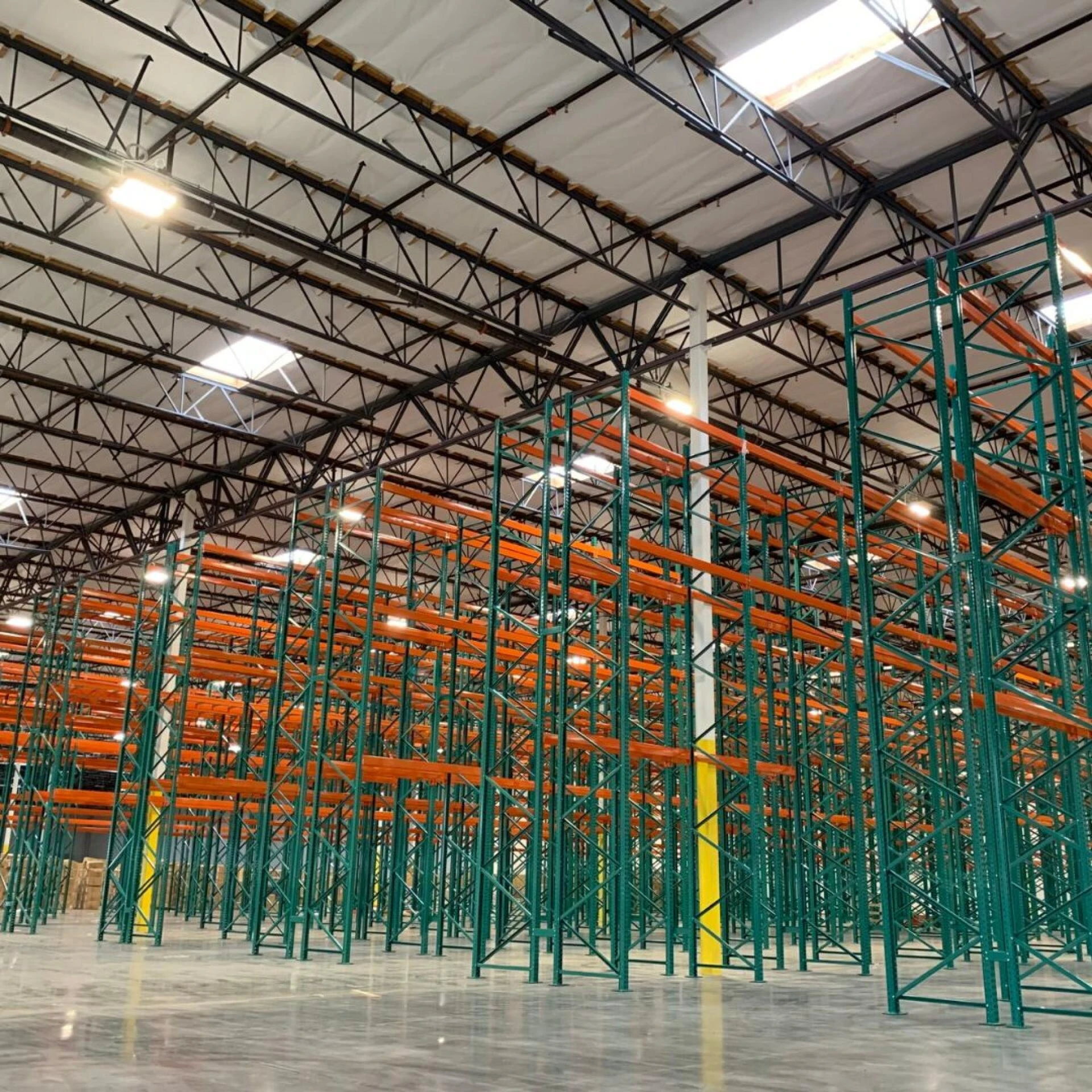
Stress in storage environments rarely announces itself loudly. It accumulates quietly, shaped by daily movement, shifting loads, and structural decisions made long before pressure is visible. At the center of this dynamic sits the teardrop racking system, known not just for its flexibility, but for how its connection design manages force over time. These connections influence how energy moves through a structure, turning impact into controlled motion rather than concentrated strain. Understanding this process reveals why stress reduction is less about resisting force and more about guiding it wisely.
Stress As A Structural Behavior, Not A Single Event
Structural stress is often misunderstood as something sudden, but in most systems it develops gradually. Each pallet placed, each adjustment made, and each minor impact contributes to a larger pattern of force.
The teardrop racking system was shaped by this understanding. Its connection style allows beams and uprights to interact dynamically, absorbing movement instead of locking rigidly in place. Over time, this reduces fatigue at connection points, helping the structure remain aligned even under repetitive use.
Why Connection Design Matters More Than Strength Alone
Strength is important, but strength without flexibility often leads to transfer rather than absorption of force. Rigid systems may appear stable at first, yet they pass stress along until it finds a weak point.
In contrast, systems that integrate components thoughtfully—such as pairing a flexible connection style with well-matched racking beams for sale—encourage stress to dissipate gradually. The beam and connector work together, spreading force across a broader area. This cooperation reduces localized pressure, which is where damage typically begins.
Load movement and controlled response
Loads rarely remain perfectly still. Even when placed carefully, vibration, handling, and environmental factors introduce subtle movement. The question is not whether movement exists, but how the system responds to it.
A teardrop racking system responds through controlled engagement. Connections seat securely while still allowing micro-adjustments. This behavior prevents sudden jolts from translating into structural shock. Over time, the system experiences less cumulative stress because each movement is managed rather than resisted.
The role of beam compatibility in stress reduction
Beams play a defining role in how force enters the system. When beam dimensions and connection points align properly, stress flows downward instead of outward.
Selecting compatible racking beams for sale supports this flow by ensuring consistent load transfer. Beams that fit cleanly into connection points reduce twisting and uneven pressure. Stress becomes a shared responsibility across the structure, rather than a burden carried by a single component.
Managing internal load dynamics
Stress does not originate only from the structure itself. Loads can generate force internally as items shift or settle. This internal movement adds dynamic pressure that challenges even well-designed systems.
Containment practices, including the use of stretch wrap in Ontario, help limit these internal shifts. By keeping loads compact and predictable, they reduce sudden changes in force at the beam level. This interaction between load control and connection design further reduces stress throughout the structure.
Repetition, impact, and long-term fatigue
Daily operations introduce countless small impacts that shape long-term performance. A single contact may seem harmless, but repetition defines durability.
The teardrop racking system addresses this reality by allowing connections to absorb minor impacts without loosening or cracking. Over years of use, this reduces fatigue at joints. When paired with properly selected racking beams for sale, the system maintains its integrity through consistency rather than rigidity.
Adaptability as a stress-management strategy
Stress increases when systems resist change. As storage needs evolve, inflexible structures are forced to operate outside their comfort zone.
Adaptable designs reduce this risk. The connection logic of a teardrop racking system allows reconfiguration without introducing imbalance. Beams can be repositioned as needs shift, maintaining structural harmony. Stress remains managed because the system evolves instead of fighting change.
Viewing stress as a shared system responsibility
Stress management is not isolated to one component. It emerges from how beams, connections, and loads interact as a whole.
Using stretch wrap in Ontario to stabilize loads, choosing compatible racking beams for sale, and relying on connection designs that allow controlled movement all contribute to a unified approach. Stress is reduced not by overpowering force, but by distributing it thoughtfully.
Conclusion
Structural stress is inevitable, but failure is not. Systems that acknowledge movement and plan for it tend to endure with greater consistency. Through its connection design, the teardrop racking system demonstrates how controlled flexibility can guide force safely over time. When supported by compatible elements like racking beams for sale, this approach creates structures that absorb pressure calmly, adapt to change, and remain reliable well into the future.