The rapid pace of urbanization presents modern cities with both unprecedented opportunities and profound challenges. As centers of economic activity, innovation, and culture, cities attract vast populations, but this growth often strains resources, infrastructure, and the environment. In the context of Thailand, a country that has transitioned into an upper-middle-income nation, this tension is particularly evident. Thailand's urban centers, from the sprawling metropolis of Bangkok to the cultural hub of Chiang Mai and the industrial powerhouses of the Eastern Economic Corridor (EEC), are at a crucial juncture.
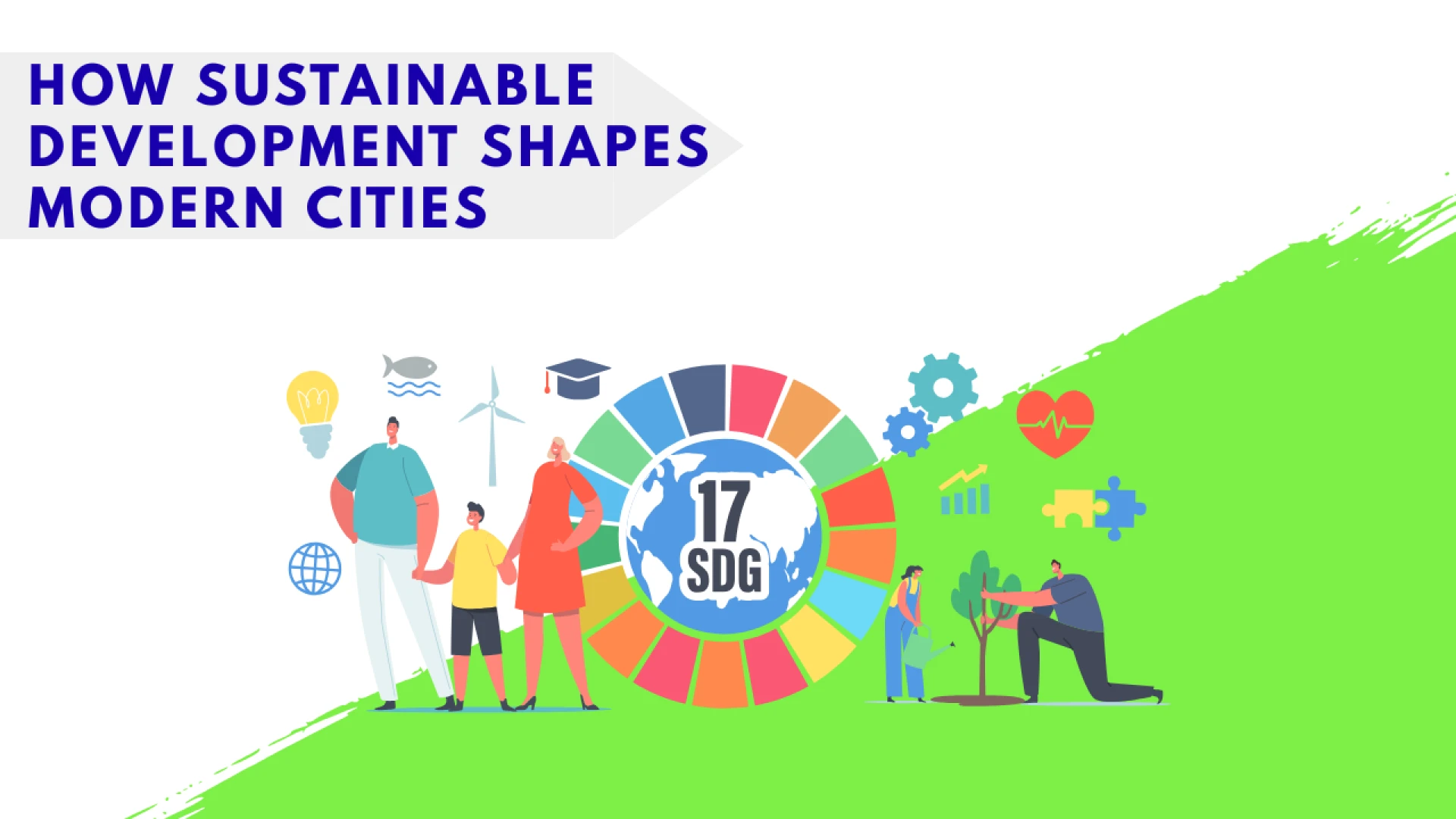
To secure long-term prosperity and quality of life for their citizens, Thai cities are increasingly adopting the principles of sustainable development. This holistic approach, which aims to meet the needs of the present without compromising the ability of future generations to meet their own needs, moves beyond mere environmentalism. It involves a fundamental re-engineering of the urban landscape, policy frameworks, and economic models to ensure a balanced and inclusive future. The country has notably integrated the UN Sustainable Development Goals (SDGs) into its national development framework, signaling a top-down commitment that is now taking root at the municipal level.
The Core Pillars of Sustainable Urbanism
Sustainable urban development in Thailand, aligning with global best practices and the nation's own economic philosophy, is built upon three interconnected pillars: economy, environment, and society. A truly sustainable city must achieve balance across all three dimensions.
Economic Viability and Innovation
Economic sustainability goes beyond simple growth; it focuses on creating a high-value, resilient, and inclusive economy.
Smart City and Thailand 4.0
The Thai government's "Thailand 4.0" initiative, aimed at transforming the economy from a production-driven to a value-based one, is intrinsically linked to the Smart City framework. This involves leveraging information and communication technology (ICT) to optimize urban operations across sectors like energy, mobility, and governance. Cities like Phuket and Khon Kaen are piloting 'Smart City' plans, integrating digital tools for real-time monitoring and data-driven decision-making, which is crucial for the efficient allocation of limited resources. For instance, Smart City initiatives can lead to significant reductions in traffic congestion and energy consumption.
Green Investment and Diversification
Economic viability in a sustainable city requires a move toward green and circular economies. This involves attracting private investment into green infrastructure and technologies, such as renewable energy and eco-friendly manufacturing. In the industrial area of Map Ta Phut, after years of environmental challenges, there has been a push towards an Eco-Industrial Town model to balance immense economic output with stringent environmental standards. Furthermore, cities like Chiang Mai are exploring ways to diversify their tourism-heavy economies by promoting creative industries and high-value agriculture to mitigate vulnerability to external shocks.
Environmental Stewardship and Resilience
Addressing climate change, pollution, and resource depletion is a non-negotiable component of a sustainable city. Thailand, with its long coastline and reliance on agriculture, is particularly vulnerable to environmental risks.
Sustainable Mobility and Infrastructure
Bangkok, infamous for its traffic congestion, is making strides by promoting sustainable transport systems. This includes the expansion of electric rail networks (BTS and MRT) and encouraging the use of electric buses and taxis. Sustainable urban planning also prioritizes infrastructure that is resilient to natural disasters, such as innovative water management systems and multi-functional green spaces that double as flood-prevention areas during the rainy season. The greater Bangkok metropolitan area’s public transportation system is a key factor in improving air quality and reducing the urban carbon footprint.
Green Spaces and Conservation
Green infrastructure, such as parks, urban forests, and connected green corridors, is vital for improving air quality, managing the urban heat island effect, and enhancing community well-being. Efforts in various cities focus on creating universal access to safe and inclusive green and public spaces, aligning with global goals for urban liveability. This is often integrated with efforts to conserve natural resources, such as forest areas near urban centres and coastal ecosystems like mangrove forests.
Social Inclusivity and Well-being
A city is ultimately defined by its people. Sustainable development must ensure equity, accessibility, and high quality of life for all residents.
Affordable Housing and Services
Ensuring that all citizens, regardless of income, have access to adequate, safe, and affordable housing and basic services is a critical social pillar. Thai developers and government agencies are exploring programs like rent-to-own models to help low-income families transition to homeownership. Beyond housing, it also means ensuring equitable access to high-quality education and comprehensive healthcare, especially for vulnerable groups and those in marginalized urban communities.
Community Engagement and Governance
Sustainable urban planning in Thailand is increasingly citizen-centric. Initiatives like "Traffy Fondue," a government-supported platform, allow citizens to report urban issues directly, facilitating real-time issue resolution and informed decision-making by local authorities. Encouraging public participation in the planning and governance process fosters a sense of ownership and ensures that development projects genuinely meet the community's needs, moving away from a purely top-down approach.
Case Studies: Cities Leading the Way
Several Thai cities offer tangible examples of the shift towards sustainability.
Khon Kaen: The Smart City Model
In the Northeast, Khon Kaen has distinguished itself by focusing on building a solid foundation for socio-economic development through its Smart City plan. Their focus is not solely on digital technology but on creating an enabling environment, notably by exploring innovative financing solutions for critical urban infrastructure like the Light Rail Transit (LRT) project, which aims to boost regional connectivity and sustainable mobility.
Phuket: Resilience and Transformation
As a province heavily reliant on tourism, Phuket is actively working on a transformation strategy to become less vulnerable to economic shocks and more resilient to climate change. The "New Phuket" vision involves economic diversification, integrating environmental and social aspects, and strengthening public-private investment planning, particularly in areas like Meetings, Incentives, Conferences, and Exhibitions (MICE) and health and wellness tourism.
Challenges and the Way Forward
While the commitment to sustainable development is strong, Thai cities face considerable hurdles. These include overcoming complex institutional and fiscal frameworks that often restrict local government empowerment, addressing persistent income inequality between regions and urban groups, and the need for rigorous, consistent enforcement of environmental and building regulations. Furthermore, the rapid aging of the population and the ongoing challenge of air and water pollution, particularly in the major cities, require sustained, long-term policy intervention.
However, these challenges are matched by significant opportunities. The alignment of the SDGs with national strategy, the rise of the Smart City framework, and a growing emphasis on the sufficiency economy philosophy offer a roadmap. The future of Thailand’s modern cities will be defined by their ability to harmonize economic ambition with ecological stewardship and social justice, creating urban environments that are not just economically powerful, but truly livable, resilient, and inclusive for all.
FAQs on Sustainable Urban Development
What are the "Seven Smart Pillars" in Thailand’s Smart City Framework?
The Smart City framework in Thailand, often linked to the nation's "Thailand 4.0" policy, considers seven key pillars: Environment, Economy, Energy, Mobility, People, Living, and Governance. The goal is to improve community well-being and resilience by integrating information and communication technology (ICT) across these areas, making city operations more efficient and citizen-centric.
How does the Sufficiency Economy Philosophy (SEP) relate to urban sustainability?
The Sufficiency Economy Philosophy (SEP), introduced by the late King Bhumibol Adulyadej, is a homegrown development model deeply integrated into Thailand’s national planning. It promotes a balanced approach based on three core principles: Sufficiency, Moderation, and Resilience, guided by knowledge and ethics. In an urban context, SEP encourages living within resource limits, avoiding excessive consumption and debt, and building strong, self-sufficient communities capable of adapting to change—all fundamental tenets of sustainable development.
What are some of the key environmental challenges facing Thai cities?
Major environmental issues include severe air pollution (particularly seasonal haze in Northern Thailand and smog in Bangkok), inadequate waste management systems, and challenges in water resource management and flood control. The push for sustainability directly addresses these issues through initiatives like promoting clean energy, improving public transport, and creating better urban drainage and green spaces.