



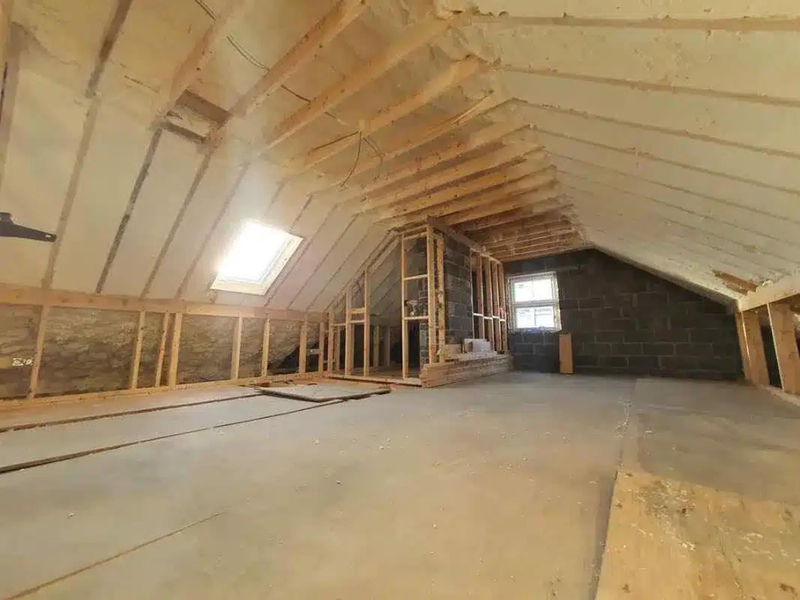
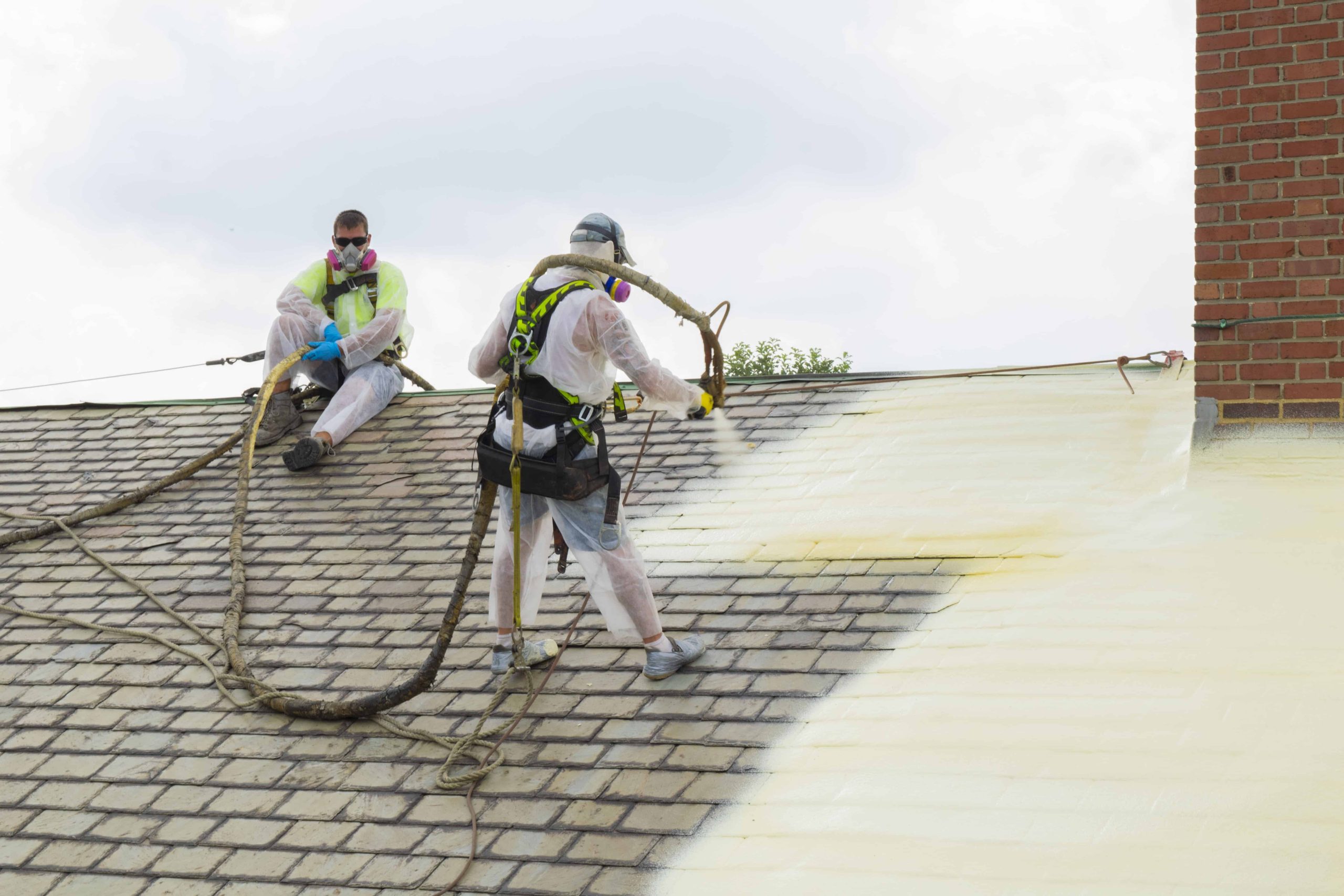
Spray foam roofing insulation significantly enhances indoor air quality by creating an impermeable barrier that seals the building envelope against outdoor pollutants, humidity, and allergens. In the humid climate of Loxley, AL, the primary driver of poor indoor air quality is the infiltration of moisture-laden air through roof vents and soffits, which creates ideal conditions for mold and mildew growth. By applying spray foam directly to the underside of the roof deck, homeowners establish a sealed environment that prevents unconditioned air from entering the living space. This process eliminates the "stack effect," in which escaping air pulls dust, pollen, and humidity into the home from the outside, keeping the air inside cleaner, drier, and healthier for occupants.
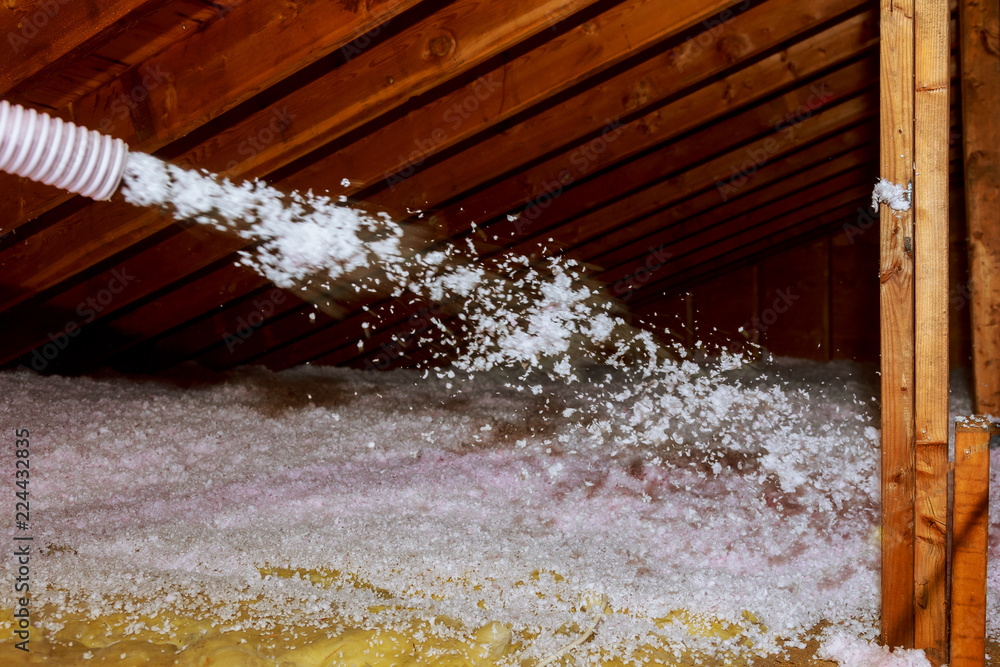
Achieving superior indoor air quality requires addressing the root causes of contamination rather than simply filtering the air after it has entered. Traditional fibrous insulation allows air to pass through it, acting as a filter that eventually becomes clogged with dust and rodent droppings, which then circulate back into the home. Spray foam roofing insulation in Loxley, AL, creates a solid, monolithic seal that blocks these contaminants at the source. For residents in Santa Rosa County, where high pollen counts and humidity are constant challenges, this method provides a permanent solution to respiratory irritants and moisture-related air quality issues.
The Critical Link Between Air Sealing and Health
Air sealing is the most effective strategy for controlling the indoor environment and protecting residents from external pollutants. When a roof is insulated with spray foam, it effectively closes off the thousands of tiny gaps, cracks, and penetrations that exist in standard construction assemblies. These gaps are the primary entry points for outdoor contaminants that degrade indoor air quality.
By eliminating these pathways, spray foam prevents the infiltration of harmful substances, such as exhaust fumes from nearby roadways and agricultural dust, into semi-rural areas like Loxley. This separation is vital for maintaining a sanitary living environment. The result is a home that operates as a controlled system, with fresh air intentionally introduced through filtration systems rather than accidentally through dirty wall cavities.
Eliminating the Stack Effect
The stack effect is a physical phenomenon that drives airflow through a building, pulling outdoor air in through low points as warm air rises and escapes through high points. This constant air movement drags dust, mold spores, and humidity into the living space from the crawl space or outdoors.
- Halting Air Movement: Spray foam reduces the upward airflow, effectively neutralizing the stack effect and preventing the suction of soil gases and allergens into the home.
- Stabilizing Pressure: A sealed roof deck maintains neutral air pressure within the house, which reduces the rate at which dust and particulates settle on furniture and floors.
- Reducing Drafts: By sealing the attic from the outdoors, the insulation prevents drafts that can carry delicate particulate matter into bedrooms and living areas.
Blocking Airborne Allergens and Pollen
Loxley experiences significant pollen events, particularly during the spring when pine and oak trees release large amounts of yellow dust. Standard attic ventilation allows this pollen to drift freely into the attic, where it can be sucked into leaky ductwork and distributed throughout the house.
The Filter vs. Barrier Concept
Fiberglass insulation often acts as a filter, trapping pollen and dust over time until it becomes a source of contamination itself. Spray foam acts as a barrier, preventing these particles from entering.
- Pollen Exclusion: The airtight seal prevents microscopic pollen grains from penetrating the roof deck, keeping the attic space clean and free of biological irritants.
- Pest Deterrence: By sealing entry points, spray foam also prevents rodents and insects from entering, eliminating the allergens associated with their droppings and nesting materials.
Controlling Moisture and Preventing Mold
In the Florida Panhandle, controlling moisture is synonymous with controlling mold growth. Mold spores are present everywhere in the outdoor environment, but they require moisture and a food source to colonize indoors when humid air enters an attic and comes into contact with cool surfaces, condensation occurs, providing the water needed for mold to thrive.
Spray foam insulation creates a conditioned attic space with temperatures and humidity levels similar to those of the living area. This prevents the dew point from being reached on building materials, effectively starving mold spores of the moisture they need to grow. For homeowners in Loxley, this is the most proactive step available to prevent "sick building syndrome" caused by hidden mold in the attic.
The Florida Humidity Challenge
The high humidity levels in Loxley pose a constant threat to building materials and indoor air quality. When moisture vapor passes through drywall or insulation, it can accumulate in wood framing, leading to rot and fungal growth.
Preventing Condensation on HVAC Equipment
Ductwork located in a hot, vented attic often sweats due to the temperature difference between the cold air inside the duct and the hot, humid attic air. This condensation drips onto insulation and creates wet spots where mold grows rapidly.
- Vapor Retarder Properties: Closed-cell spray foam acts as a Class II vapor retarder, stopping moisture vapor transmission through the roof assembly.
- Dew Point Control: By keeping the roof deck warm, spray foam prevents condensation from forming on the underside of the sheathing during occasional cold snaps.
Bonus Tip: Dehumidification Strategy
When sealing a home tightly with spray foam, it is often beneficial to install a whole-home dehumidifier. This ensures that any internal moisture generated by cooking or showering is removed efficiently, maintaining relative humidity below 50% for optimal health.
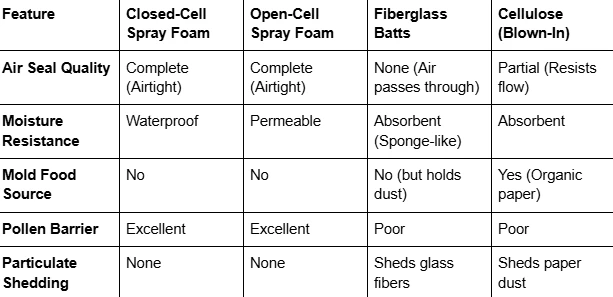
Comparing Insulation Types for Air Quality
The following table illustrates how different insulation materials impact indoor air quality based on their ability to seal air, resist moisture, and block particulates.
Protecting Ductwork and HVAC Efficiency
The condition of the HVAC system plays a major role in the quality of the air residents breathe. In many Loxley homes, ductwork is located in the attic, outside the thermal envelope. If the attic is vented, these ducts are surrounded by dirty, hot, and humid air.
By insulating the roof deck with spray foam, the attic becomes a semi-conditioned space. This means any leaks in the ductwork pull from a clean, tempered environment rather than drawing in superheated, dust-filled attic air. This simple change drastically reduces the load on air filters and prevents pollutants from bypassing the filtration system entirely.
Creating a Sealed Mechanical Room
Treating the attic as a mechanical room rather than a vented storage area protects the equipment and the air it circulates. This approach extends the life of the HVAC unit and ensures it delivers the cleanest air possible.
Reducing Negative Pressure
Leaky supply ducts in a vented attic can pressurize the attic and depressurize the house, sucking outdoor air in through walls and windows. Sealing the attic prevents this pressure imbalance.
Bonus Tip: Duct Cleaning Considerations
After installing spray foam and sealing the attic, property owners should consider having their ducts professionally cleaned. This removes years of accumulated dust and ensures the system starts fresh in its new, clean environment.
Things to Consider Before Making a Decision
Before proceeding with a spray foam installation, homeowners should evaluate several factors to ensure the project meets their health and safety goals.
- Ventilation Requirements: A tight home requires fresh air exchange. Consult with a mechanical contractor to determine if an Energy Recovery Ventilator (ERV) is needed to bring in fresh, filtered air.
- Off-Gassing and Re-Entry: During application, spray foam releases chemical vapors. Residents must vacate the home for a specific period, typically 24 to 48 hours, to ensure safety during the curing process.
- Existing Moisture Issues: If there are existing roof leaks, they must be repaired before insulation is applied. Spray foam can hide leaks from the inside, so a watertight roof is a prerequisite.
Questions People Ask About Spray Foam and Air Quality
Will spray foam insulation make my house smell?
Properly installed spray foam should not have a lingering odor after the initial curing period. If the chemical ratio is correct and the installer follows industry standards, the smell dissipates within 24 to 48 hours, leaving the home odorless.
Does spray foam really help with asthma and allergies?
Yes, by sealing the home against outdoor allergens like pollen and preventing mold growth, spray foam creates a significantly better environment for asthma and allergy sufferers. Many residents report a reduction in symptoms after the building envelope is sealed.
Can mold grow on spray foam insulation?
Spray foam itself is an inert plastic and does not provide a food source for mold. However, if dust settles on the foam and humidity remains high, mold can grow on the dust. This is why controlling indoor humidity is essential.
Is it safe to seal my attic completely?
Yes, unvented attic assemblies are approved by building codes and are standard practice in hot, humid climates. This method brings the attic into the conditioned space, which is beneficial for both energy efficiency and air quality.
How does spray foam prevent dust accumulation?
Most household dust comes from outside air infiltrating through gaps. By sealing these gaps, spray foam drastically reduces the amount of new dust entering the home, meaning less frequent dusting and cleaner air.
Summary of Health Benefits
Spray foam roofing insulation offers a transformative improvement to indoor air quality by severing the connection between the living space and the outdoor environment. For residents in Loxley, this means a home protected from the intense humidity, rampant pollen, and potential mold growth that characterizes the region. By creating a sealed, controlled envelope, spray foam allows the HVAC system to filter indoor air effectively without constantly battling new contaminants. The investment in air sealing is fundamentally an investment in the long-term respiratory health and comfort of the household.
Evaluating the specific air quality challenges of a home requires a professional assessment. Property owners should look at the attic not just as a storage space, but as the lid to their home that controls what enters the air they breathe.
Taking the Next Step in Home Health
For homeowners in Loxley ready to improve their indoor environment, professional guidance is crucial to ensure the insulation system is designed correctly. Prestige Insulation Solutions provides expert assessments to determine the best spray foam strategy for local homes. They assist clients in understanding how sealing the roof deck can lead to a cleaner, healthier living space.
Those interested in discussing their air quality goals can contact Prestige Insulation Solutions at prestigeinsulationsolutions@gmail.com or call (850) 429-4969. Their team is equipped to provide detailed evaluations and safe, high-quality installation services tailored to the Florida climate.
Author: Rene Zamarripa, spray foam installer and owner, began in the insulation industry in 2008 with Key Insulation in San Antonio. After 17 years of hands-on experience, now owns a successful insulation company with aspirations to franchise.
Reviewer: With over 13 years in spray foam insulation, Benjamin Lee reviewed this content and offered feedback aimed at helping growing businesses connect with local homeowners and commercial clients more effectively.