



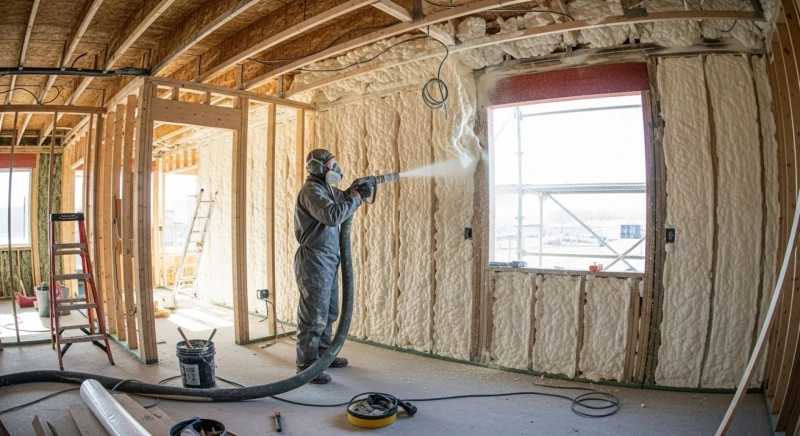
The Spray Foam Insulation industry in Tigard, OR, is changing fast in 2026. Local service providers are adapting to tighter energy standards, shifting homeowner priorities, and climate-driven building needs. These changes affect how insulation is planned, installed, and evaluated across residential and light commercial projects.
This article explains how a Spray Foam Insulation company in Tigard is evolving. It outlines key trends, service changes, and decision factors that matter to property owners and builders today. The information reflects current field experience and regional building patterns in Oregon.
Market Shifts Shaping Spray Foam Insulation in 2026
Several forces are shaping how Spray Foam Insulation services operate in Tigard. Energy efficiency targets and housing upgrades lead the change.
Local demand has grown as homeowners focus on lowering heating costs. Market data shows energy retrofit projects in the Pacific Northwest increased by over 18 percent in the past two years.
Regional housing and climate influence
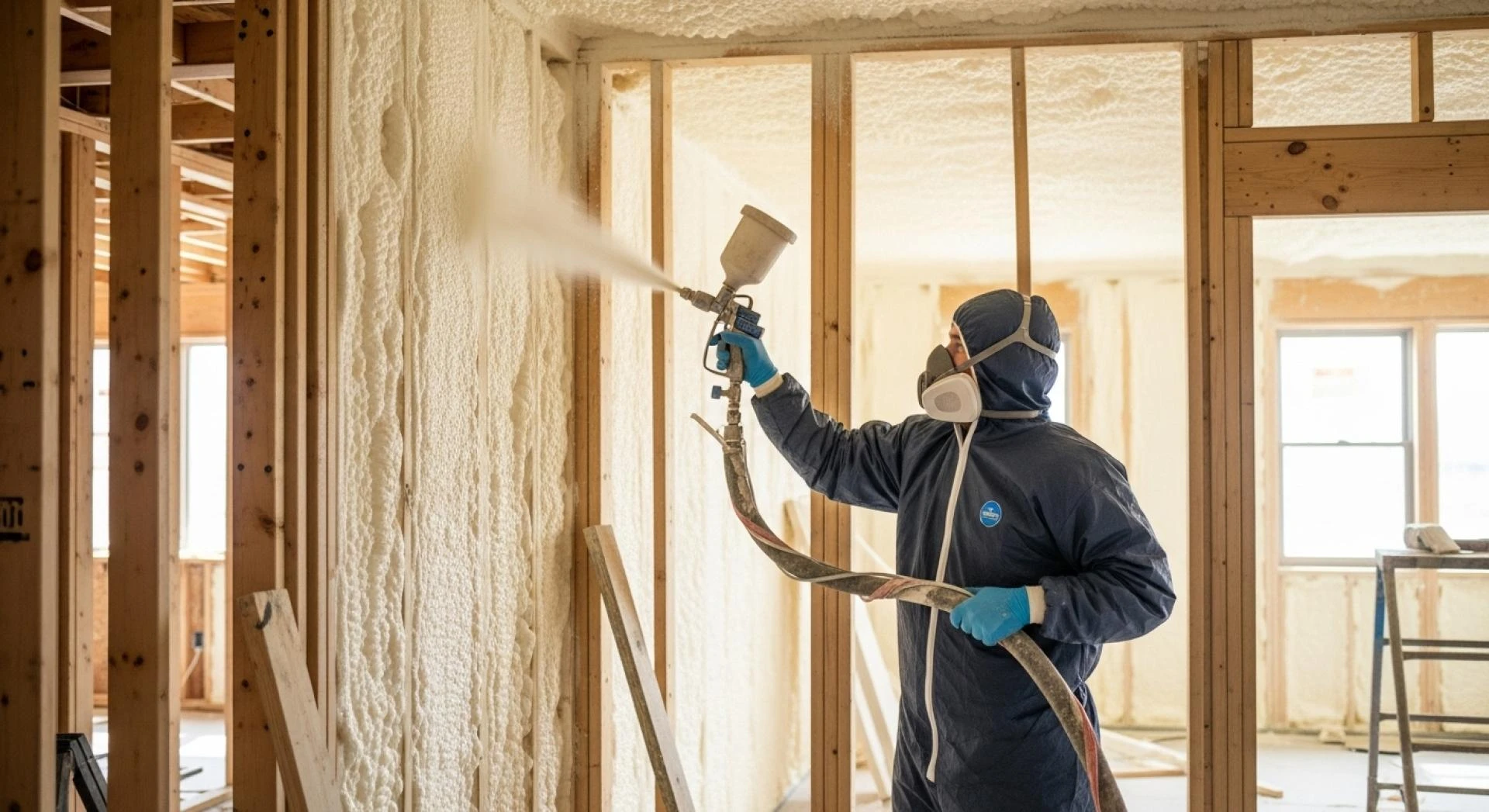
Tigard’s wet winters and mild summers create moisture and heat retention concerns. Insulation choices now focus on year-round comfort.
Spray Foam Insulation experts adjust material selection and application depth based on local climate needs.
Key market drivers in 2026
- Higher utility costs pushing efficiency upgrades
- Increased basement and crawl space renovations
- Growing focus on long-term material performance
Service Evolution in Modern Insulation Projects
Spray Foam Insulation services now extend beyond basic installation. Planning and assessment play a larger role.
They often begin with airflow evaluation and moisture checks. This ensures insulation supports the building rather than masking existing issues.
Expanded pre-installation assessments
Detailed prep work improves outcomes and reduces callbacks. Property owners benefit from clearer expectations.
Spray Foam Insulation experts place more emphasis on matching insulation type to structure use.
Common service updates
- Digital measurement tools for coverage accuracy
- Better surface preparation methods
- Post-installation performance checks
Materials and Application Practices in 2026
Material selection continues to evolve. Performance and durability now matter more than speed.
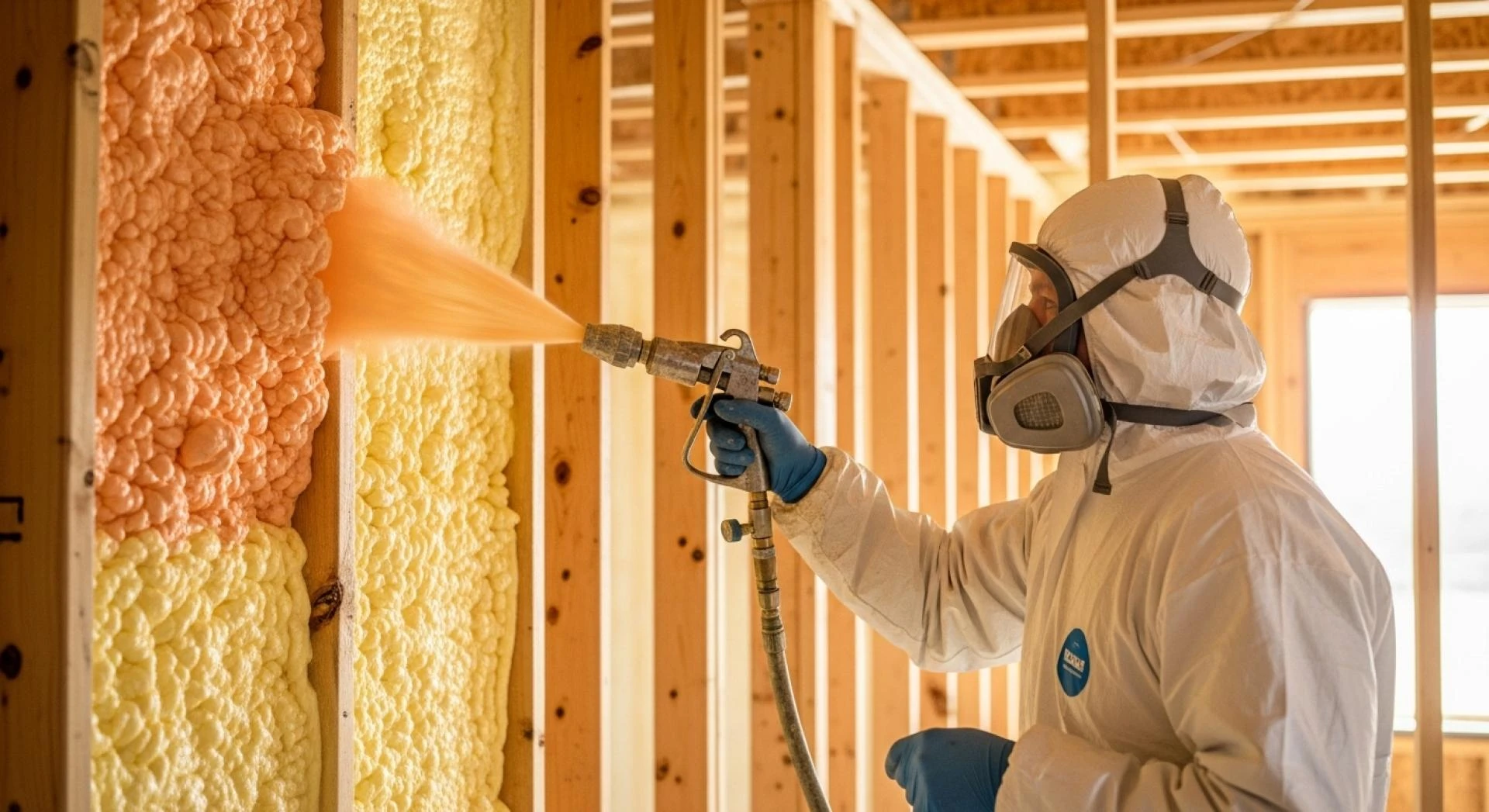
Closed-cell Spray Foam Insulation sees wider use in below-grade areas. Open-cell options remain common in interior walls and rooflines.
Application adjustments for Oregon conditions
High moisture exposure requires careful curing and ventilation planning. Local Spray Foam Insulation experts account for seasonal humidity.
This reduces risks linked to trapped moisture and uneven expansion.
Comparison of Past and Current Industry Practices
The table below shows how Spray Foam Insulation approaches have shifted in recent years.
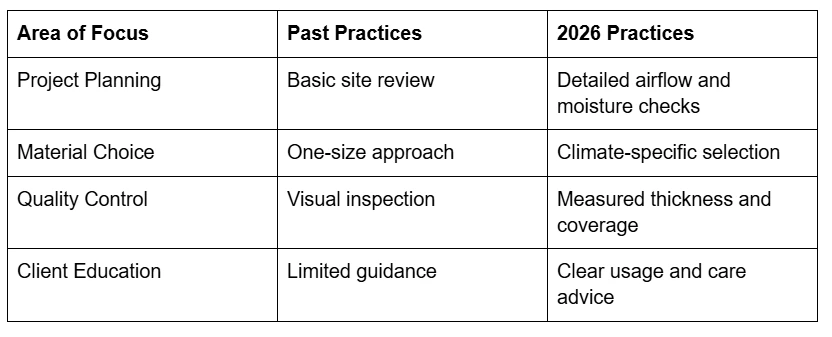
These updates reflect broader industry learning and higher client expectations.
Technology and Training Improvements
Workforce training plays a larger role in service quality. Skill gaps affect insulation performance more than materials alone.
Spray Foam Insulation experts now complete regular product and safety updates. This supports consistent results across varied building types.
Training priorities seen in Tigard
- Accurate mixing and application timing
- Environmental control during installation
- Jobsite safety and ventilation planning
Bonus Tips
- Ask service providers about ongoing training programs.
- Confirm they adjust techniques based on seasonal weather.
Things to Consider Before Making a Decision
Choosing Spray Foam Insulation requires careful review. Not all projects benefit from the same approach.
Property owners should assess several factors before moving forward.
- Building age and existing insulation condition
- Moisture history in basements or crawl spaces
- Local permit and inspection requirements
Spray Foam Insulation services often include guidance on these points during early consultations.
Long-Term Performance and Value Outlook
Market data suggests Spray Foam Insulation can reduce heating and cooling demand by 20 to 25 percent in upgraded homes. These savings matter as energy prices rise.
Durability also supports value. Many installations maintain performance for decades with minimal upkeep.
Spray Foam Insulation contractor now focuses on lifespan value rather than short-term cost.
Bonus Tips
- Request performance expectations based on local homes.
- Balance upfront cost with long-term energy savings.
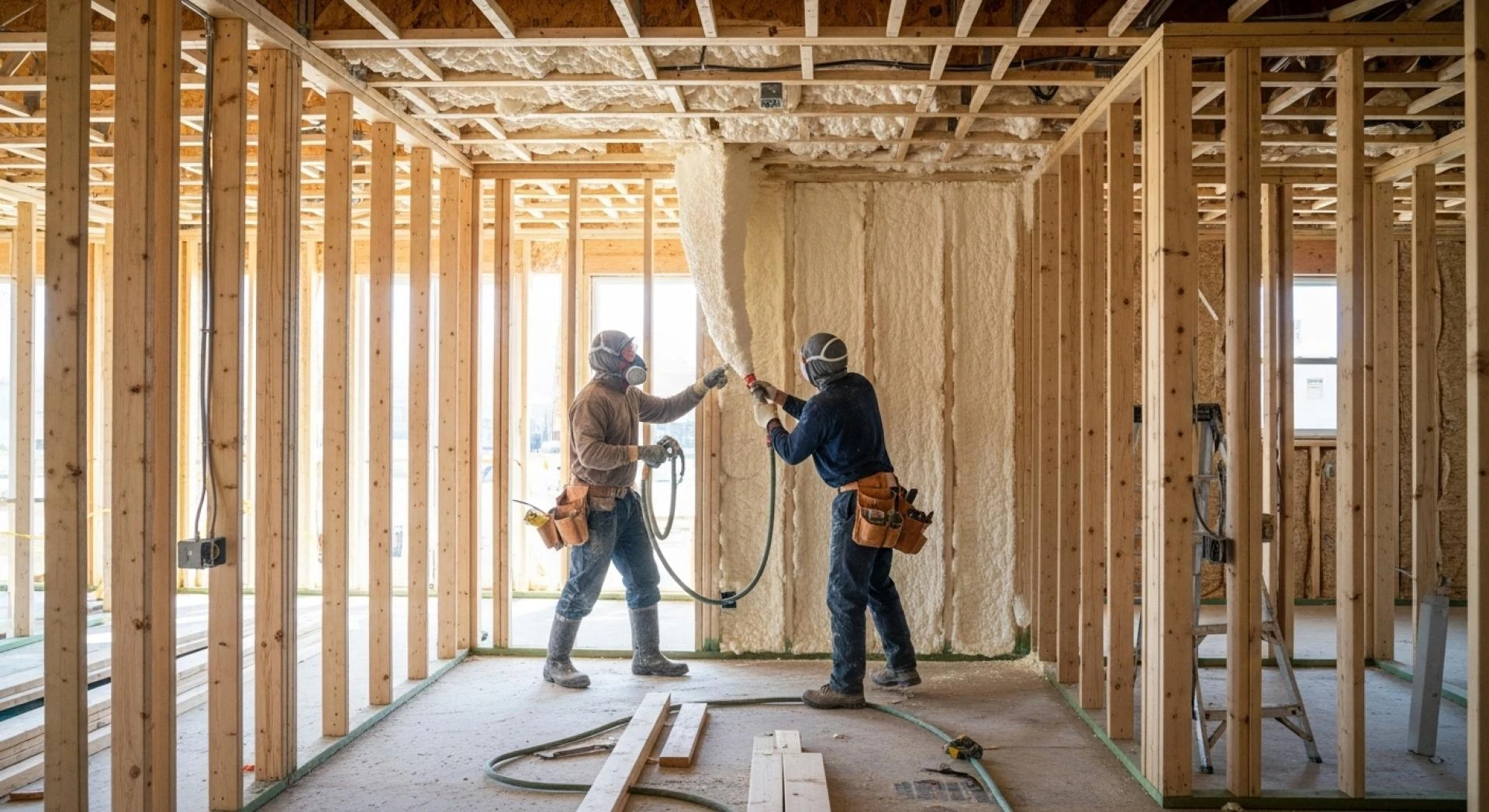
Key Takeaways for Property Owners
Spray Foam Insulation in Tigard continues to evolve in 2026. Service quality now depends on planning, training, and climate awareness. These changes support better energy outcomes and long-term comfort.
Readers should review their building conditions and future goals. Careful evaluation helps align insulation choices with lasting performance.
Helpful Next Steps for Local Guidance
Property owners seeking informed guidance may consult Spray Foam Specialists for project-specific insights. Their team shares educational support through info@sprayfoampdx.com or by phone at (503) 713-6164. Speaking with experienced Spray Foam Insulation experts helps clarify service options and planning considerations without pressure.
Questions People Ask About Spray Foam Insulation Trends
What is changing most in 2026 insulation projects?
Planning and assessment now receive more attention than before.
Are materials different than past years?
Materials are similar, but application methods are more precise.
Does climate affect insulation strategy in Tigard?
Yes. Moisture control and heat retention guide most decisions.
How do experts ensure consistent results?
They rely on training, measured coverage, and jobsite checks.
Is Spray Foam Insulation suitable for older homes?
Yes. Many upgrades focus on sealing older structures.