


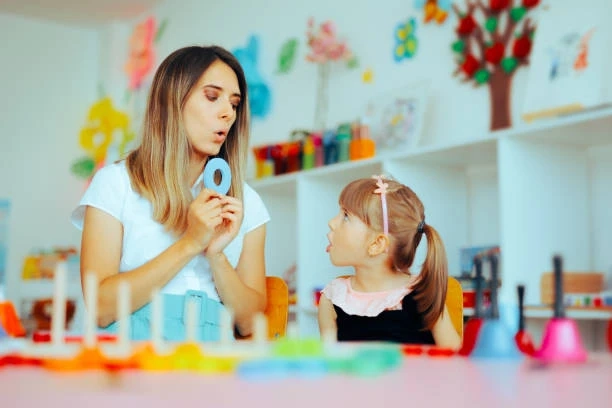
When it comes to supporting children with autism, speech pathologists play a pivotal role. Their expertise goes beyond simply helping children speak; they assist in unlocking the full spectrum of communication skills, fostering social connections, and enhancing overall quality of life. In this comprehensive guide, we'll explore how speech pathologists support children with autism, the various therapies they employ, and how families can access these services, including the convenience of online speech therapy.
Understanding the Role of Speech Pathologists in Autism
Speech pathologists are trained professionals who assess, diagnose, and treat communication disorders. For children with autism, these specialists focus on:
- Speech and Language Development: Enhancing both verbal and non-verbal communication skills.
- Social Communication: Teaching how to initiate and maintain conversations, understand social cues, and develop relationships.
- Alternative and Augmentative Communication (AAC): Implementing tools like sign language, picture boards, or electronic devices for non-verbal children.
- Play and Pragmatic Skills: Encouraging appropriate play and understanding of social contexts through structured activities.
These interventions are tailored to each child's unique needs, ensuring a personalised approach that promotes effective communication and social integration.
Key Areas of Support Provided by Speech Pathologists
1. Speech and Language Therapy
Children with autism may experience delays or differences in speech and language development. Speech pathologists work on:
- Articulation: Helping children pronounce words correctly.
- Vocabulary Building: Expanding the range of words a child understands and uses.
- Grammar and Sentence Structure: Teaching how to form and understand sentences.
- Understanding Language (Receptive Skills): Building the ability to follow instructions and make sense of what others are saying.
- Expressing Ideas (Expressive Skills): Helping children share their thoughts, feelings, and needs more clearly and confidently.
2. Social Communication Skills
Many children with autism find social interactions challenging, and speech therapists play a key role in supporting this area by:
- Reading Social Cues: Teaching children how to recognise facial expressions, body language, and tone of voice to better understand others.
- Conversation Skills: Practicing how to take turns, start conversations, and keep them going in a natural, respectful way.
- Building Relationships: Encouraging interactions with peers and adults in various settings.
3. Alternative and Augmentative Communication (AAC)
For children who are non-verbal or have limited speech, Augmentative and Alternative Communication (AAC) offers other ways to express themselves. These tools can include:
- Picture Exchange Communication Systems (PECS): A method where children use pictures to share their wants, needs, and thoughts, helping them communicate more effectively with others.
- Sign Language: Employing hand signs to convey messages.
- Electronic Devices: Utilising speech-generating devices or apps to facilitate communication.
4. Play and Pragmatic Skills
Play is essential for learning and social development. Speech pathologists engage children in:
- Structured Play Activities: Activities that promote interaction and learning.
- Understanding Play Sequences: Teaching the steps involved in various play scenarios.
- Imaginative Play: Encouraging creativity and role-playing to understand different perspectives.
The Importance of Early Intervention
Getting support early can make a big difference for children with autism. The sooner help begins, the more positive the outcomes tend to be. Speech pathologists often work hand-in-hand with other specialists—like occupational therapists and psychologists—to take a well-rounded, team-based approach. By addressing all areas of a child’s development together, this collaborative care helps strengthen communication, boost social skills, and support overall well-being.
Accessing Speech Pathology Services in Australia
In Australia, families have various options to access speech pathology services:
- In-Person Sessions: Many clinics offer face-to-face appointments, providing direct interaction and hands-on support.
- Home Visits: Some speech pathologists visit homes to work in familiar environments, which can be beneficial for children with autism.
- School-Based Therapy: Working alongside educators, speech therapists help weave support into a child’s everyday school routine, making it a natural part of their learning experience.
- Online Speech Therapy: Ideal for families in remote areas or those needing more flexibility, virtual sessions offer accessible and consistent support through secure telehealth platforms—ensuring every child gets the help they need, no matter where they are.
How Online Speech Therapy Supports Children with Autism
Online speech therapy, or teletherapy, has become an increasingly popular option for families seeking support for their children with autism. The benefits include:
- Accessibility: Families in rural or remote areas can access services without the need to travel.
- Flexibility: Therapy sessions can be arranged around the family's schedule, making it easier to stay on track without major interruptions.
- Steady Progress: Consistent sessions help reinforce learning and allow children to steadily build on their communication skills.
- Familiar Setting: Being in a comfortable, familiar space—like home—can help children feel more relaxed and engaged during therapy.
To find an online speech therapist, families can search for providers who offer telehealth services and are experienced in working with children with autism.
Collaborating with Families and Educators
Speech pathologists collaborate closely with families and educators to maintain consistency and strengthen communication skills in various environments. This teamwork includes:
- Guiding Parents and Teachers: Providing practical tools and techniques to help support a child's communication growth both at home and in the classroom.
- Developing Individualised Plans: Creating tailored therapy plans that align with the child's goals and needs.
- Monitoring Progress: Regularly assessing and adjusting the therapy plan to ensure continued development.
Funding and Support Options
For families eligible for the National Disability Insurance Scheme (NDIS), speech pathology services are often covered under the "Improved Daily Living" category. It's advisable to consult with an NDIS planner or support coordinator to understand the specific funding available and how to access it.
Conclusion
Speech pathologists are essential in helping children with autism build strong communication and social skills, providing the support they need to connect and interact more confidently with others. Through personalised therapy plans, early intervention, and collaboration with families and educators, these professionals make a significant impact on the lives of children with autism. Whether it's through face-to-face sessions or virtual speech therapy, the guidance children receive helps them express themselves clearly and connect more deeply with those around them.
If you're seeking assistance for your child, consider reaching out to a qualified speech pathologist for autism. Their expertise can guide your child on a path toward improved communication and a brighter future.