



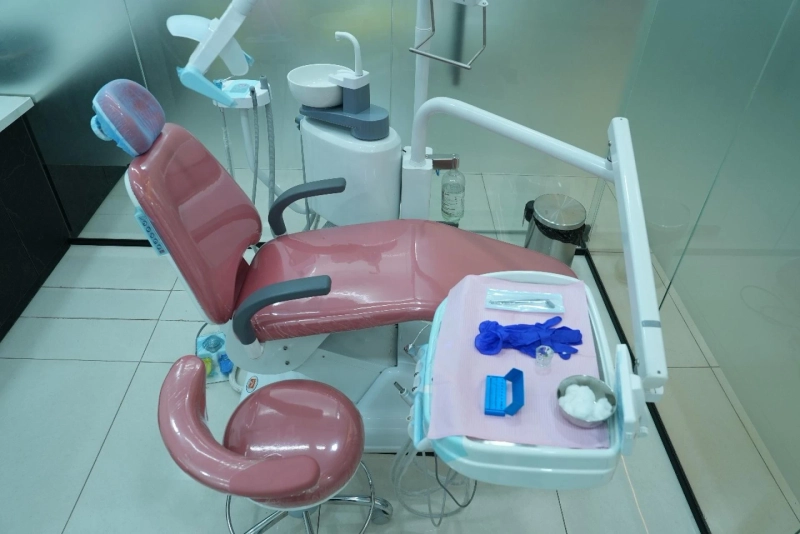
Understanding everyday dental neglect in Chintal and IDPL Colony. Most serious dental problems don’t start with severe pain or visible damage. They begin quietly. A little sensitivity while drinking something cold, occasional gum bleeding while brushing, or a tiny dark spot on a tooth are often dismissed as minor issues. In areas like Chintal and IDPL Colony, where busy routines and delayed checkups are common, these early signs are easy to ignore. Unfortunately, this is exactly how small dental issues turn into big problems.
A mild cavity is one of the most common examples. In its early stage, tooth decay affects only the enamel and usually causes no pain. Because there is no discomfort, many people postpone treatment. Over time, decay spreads deeper into the tooth, reaching the dentin and eventually the nerve. What could have been treated with a simple filling may later require a root canal or even tooth extraction. The delay increases not only pain, but also cost and treatment complexity.
Gum problems follow a similar pattern. Occasional bleeding gums are often brushed off as brushing too hard or using the wrong toothbrush. In reality, bleeding gums are usually the first sign of gingivitis, an early stage of gum disease. When left untreated, gingivitis can progress to periodontitis, a more serious condition that damages the bone supporting the teeth. This can eventually lead to loose teeth and tooth loss, even if the teeth themselves are healthy.
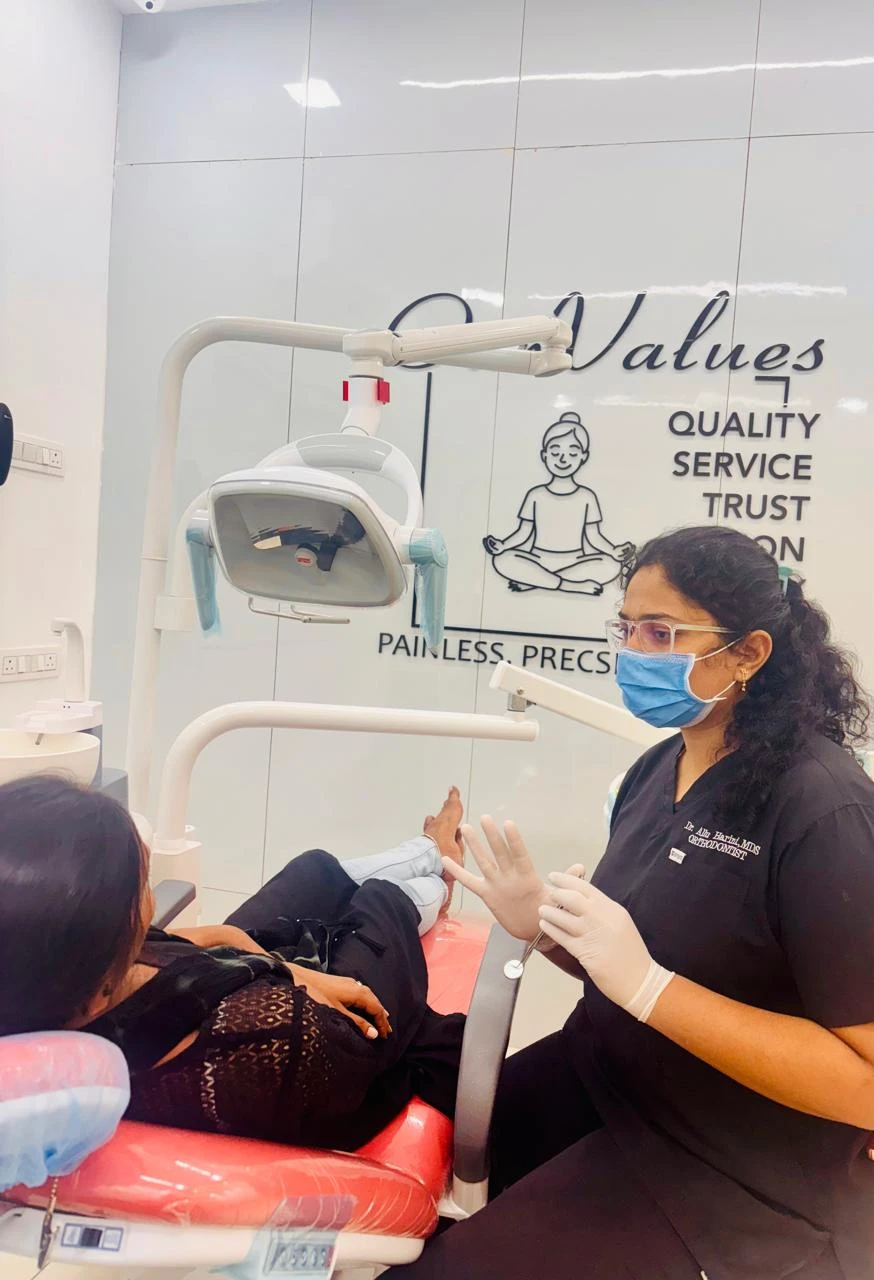
Small cracks or chips in teeth are another underestimated issue. These may occur due to chewing hard foods, minor accidents, or long-term grinding. At first, they may cause no noticeable symptoms. Over time, bacteria can enter through these cracks, leading to infection, sensitivity, and structural weakness. In many cases, a simple protective treatment early on could prevent the tooth from breaking or becoming infected later.
Tooth sensitivity is often treated as a temporary inconvenience. People may switch toothpaste or avoid certain foods without addressing the underlying cause. Sensitivity can indicate enamel erosion, early decay, gum recession, or bite problems. Ignoring it allows the underlying condition to worsen, eventually leading to chronic pain or damage that requires more invasive treatment.
Another overlooked factor is bite imbalance. Slight misalignment may not seem serious, but uneven pressure on certain teeth can cause excessive wear, cracks, jaw pain, and headaches over time. These problems often develop slowly, making it difficult to connect them back to the original cause.
Children’s dental issues are also frequently underestimated. Small cavities in milk teeth are sometimes ignored with the assumption that these teeth will eventually fall out. However, untreated dental problems in children can affect speech development, nutrition, jaw growth, and the health of permanent teeth. Early intervention plays a crucial role in preventing long-term complications.
What makes small dental issues particularly dangerous is that the mouth has a remarkable ability to adapt. Pain often appears only when damage is already advanced. By the time discomfort forces action, treatment options may be limited compared to what was possible earlier.
In localities like Chintal and IDPL Colony, access to dental care is readily available, yet preventive visits are often postponed until a problem becomes unavoidable. Regular dental checkups help identify early signs of decay, gum disease, bite issues, and enamel wear before they escalate. These visits are not just about cleaning teeth; they are about detecting problems while they are still manageable.
Dental health is closely connected to overall health. Chronic oral infections have been linked to conditions such as diabetes complications and cardiovascular issues. What starts as a small dental concern can, over time, affect general well-being.
Understanding how small dental issues grow into major problems highlights the importance of early attention and consistent care. Addressing minor symptoms early is not an overreaction; it is the most effective way to protect oral health, reduce treatment burden, and maintain a comfortable, functional smile for years to come.