
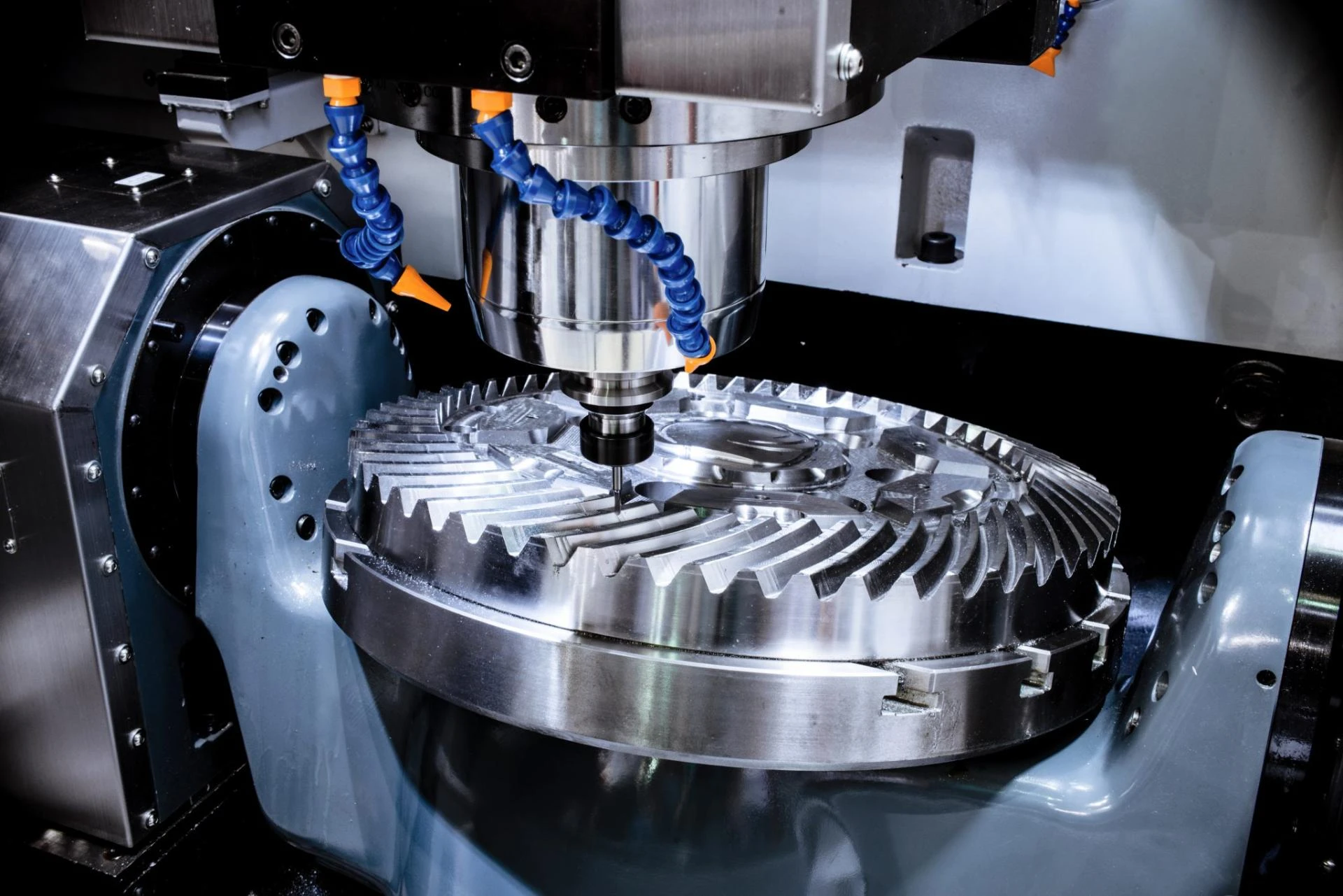
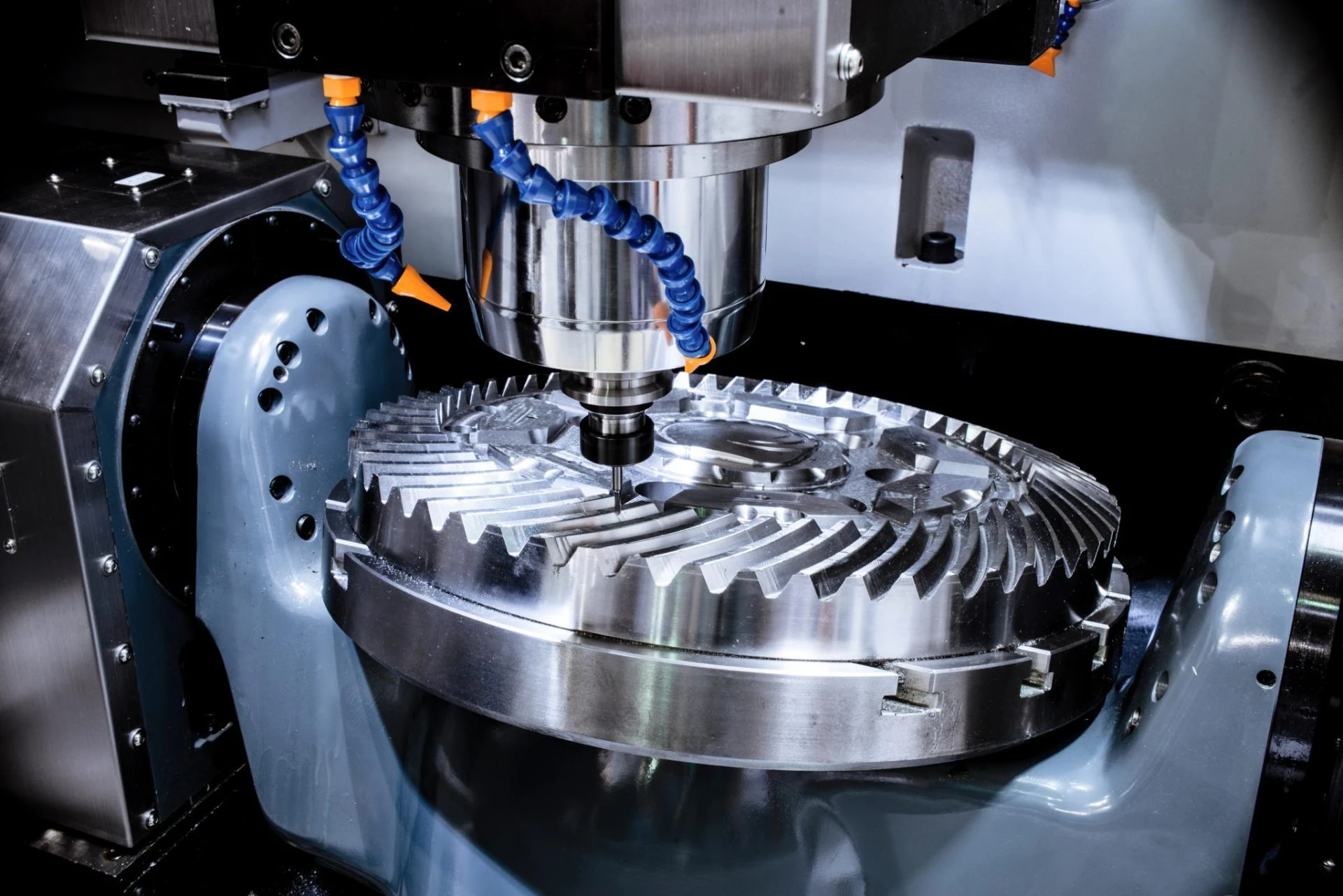
Running a small business means constantly looking for ways to save time, cut costs, and still deliver high-quality products. One technology that has completely changed the game for manufacturers, startups, and even small workshops is CNC machining. Short for Computer Numerical Control, CNC machining uses automated machines controlled by computer software to produce precise and consistent parts.
While CNC has traditionally been linked with large-scale manufacturing, it’s now more accessible and affordable than ever—making it a valuable tool for small businesses across industries. Let’s explore how small businesses can benefit from CNC machining and why it’s becoming a smart investment.
Understanding CNC Machining in Simple Terms
Before diving into the benefits, it’s important to understand what CNC machining actually is. Unlike manual machining, where a worker controls the machine by hand, CNC machining automates the entire process. Designs are created using CAD (Computer-Aided Design) software and then translated into instructions for the machine. The result? Extremely accurate cuts, shapes, and finishes on materials like metal, plastic, wood, or composites.
1. Precision That Reduces Errors
For small businesses, even minor mistakes can be costly. CNC machines operate with pinpoint accuracy, often within microns. This level of precision ensures that parts come out exactly as designed every single time.
Imagine a small business making custom metal parts for automotive repairs. With manual machining, variations are common. With CNC machining, every piece meets the same exact standard, reducing wasted material and lowering the chances of costly reworks.
2. Cost Efficiency Over Time
At first glance, CNC machining might seem expensive, but for small businesses, it quickly proves to be cost-efficient. Once the initial setup is done, machines can run with minimal supervision, cutting down on labor costs.
What’s more, the reduction in errors means fewer scrapped materials. For small businesses working on tight margins, this kind of efficiency can make a noticeable difference to the bottom line.
3. Faster Production and Turnaround
In today’s competitive market, speed matters. CNC machining can produce parts much faster than manual methods. Once the program is loaded, machines can run continuously—sometimes even 24/7.
For a small business, this means being able to meet customer deadlines more reliably and even taking on more orders without hiring additional staff. Faster turnaround not only satisfies clients but also builds a reputation for reliability.
4. Flexibility for Customization
Meeting Unique Client Needs
One of the biggest advantages for small businesses is the flexibility CNC machining offers. Clients often demand customized solutions, and CNC machines are built for this kind of work. A simple adjustment in the software can create a completely new design without the need for costly tooling changes.
For example, a small furniture company can use CNC machines to carve unique designs on wooden panels for each customer, allowing them to offer a premium, personalized service.
5. Scalability for Growing Businesses
Small businesses often struggle with scaling production. Manual processes are fine for small orders, but what happens when demand suddenly increases? CNC machining bridges that gap.
From Prototypes to Mass Production
A business can start with small prototype runs and easily scale up to larger batches without compromising quality. This flexibility is crucial for startups testing new products and then moving into full production once demand takes off.
6. Wide Range of Applications
CNC machining is not limited to one industry. It’s used in automotive, aerospace, medical devices, furniture making, jewelry, and even electronics. For small businesses, this means one machine can serve multiple purposes, reducing the need to invest in different specialized equipment.
For instance, a small machine shop might use the same CNC mill to produce motorcycle parts one week and components for a local medical device company the next. This kind of versatility maximizes investment.
7. Improving Consistency and Quality Control
For small businesses trying to compete with larger companies, consistency is key. CNC machines follow exact programming, which means every piece is identical to the one before it.
This consistency helps small businesses establish trust with clients. Whether producing ten parts or ten thousand, the quality remains uniform. That kind of reliability is a huge selling point when pitching to new customers or competing for contracts.
8. Long-Term Competitive Advantage
Staying Ahead in the Market
Investing in CNC machining is more than just about producing parts—it’s about building a competitive edge. Small businesses that adopt this technology early can position themselves as modern, efficient, and capable of handling complex orders.
Reducing Reliance on Outsourcing
Many small businesses currently outsource machining work, which can be costly and limit flexibility. Bringing CNC machining in-house not only reduces outsourcing costs but also gives businesses more control over production schedules and quality.
Challenges Small Businesses Should Consider
Of course, no technology is without its challenges. CNC machines require upfront investment, training, and maintenance. For very small businesses, the initial cost may feel overwhelming. However, the return on investment often outweighs these concerns, especially when machines are used to their full potential.
Additionally, the availability of CNC Machining Services UK providers makes it possible for businesses to access CNC machining benefits without purchasing the machines themselves. Outsourcing CNC jobs to local or online providers can still give small businesses access to precision, speed, and quality while keeping costs manageable.
Future of CNC Machining for Small Businesses
As technology advances, CNC machining is becoming even more affordable and user-friendly. With the rise of automation, AI integration, and cloud-based software, small businesses will soon find it easier to adopt CNC without requiring advanced technical knowledge.
This means the future looks bright: faster turnaround times, lower costs, and even smarter machines that can predict errors before they happen. For small businesses, embracing CNC today means staying relevant and competitive tomorrow.
Final Thoughts
CNC machining is no longer a luxury reserved for big manufacturers. For small businesses, it’s a powerful tool that brings precision, efficiency, scalability, and competitive advantage. Whether producing prototypes, handling small-batch custom orders, or gearing up for large-scale production, CNC machining provides the flexibility and reliability that small businesses need to thrive.
Investing in CNC—either directly or through outsourcing—can help small businesses not only meet today’s challenges but also prepare for tomorrow’s opportunities. In an era where efficiency and quality determine success, CNC machining may just be the edge that small businesses have been waiting for.