


Most homeowners do not think about their sewer line until there is a problem. By the time drains back up or unpleasant odors appear, the issue is often already serious. For homes and commercial properties in Clark County, understanding how sewer lines work can help you spot early warning signs and make informed decisions about sewer line installation in Vancouver, WA.
This guide breaks it down in plain language and explains when repair is enough, when replacement is required, and what local homeowners should expect.
What Is a Sewer Line and How Does It Work?
Your sewer line is the underground pipe that carries wastewater from your home or building to the city sewer system. Every sink, toilet, shower, and floor drain feeds into this single line.
There are two main sections:
- Indoor plumbing, which moves waste to the foundation
- The sewer lateral, which runs from your property to the municipal sewer connection
Many older homes in Vancouver still have clay, cast iron, or Orangeburg sewer pipes. These materials break down over time. Newer sewer line installations typically use PVC, which is more durable and resistant to root intrusion.
Common Signs Your Sewer Line Is Failing
Aging sewer lines rarely fail without warning. Some of the most common red flags include:
- Slow drains throughout the house, not just one fixture
- Gurgling sounds when flushing or draining water
- Sewage odors inside or outside the home
- Frequent backups or recurring clogs
- Wet or unusually green patches in the yard
- Sewer issues discovered during a home inspection
For real estate buyers and sellers, sewer problems often surface during inspections and can delay or derail a sale if not addressed quickly.
Sewer Line Repair vs Sewer Line Installation
Not every sewer problem requires full replacement. Minor cracks or localized damage can sometimes be repaired. However, full sewer line installation becomes necessary when:
- Pipes have collapsed or separated
- Root intrusion is widespread
- Old materials like Orangeburg have deteriorated
- Repeated repairs no longer hold
A sewer camera inspection is the best way to determine the right solution. This avoids unnecessary digging and helps homeowners make cost-effective decisions.
Sewer Line Installation Requirements in Vancouver, WA
Sewer line installation must meet specific local codes to protect public health and prevent future failures. In Vancouver, WA, requirements typically cover:
- Approved pipe materials and sizing
- Proper slope and depth
- Safe connection to the city sewer system
- Inspection at key stages of the project
Working with a local contractor familiar with sewer installation requirements helps ensure the work passes inspection the first time and avoids costly corrections.
Sewer Line Permits: What Homeowners Need to Know
Most sewer line installations require permits from the city or county. These permits ensure the work meets code and is properly inspected.
In most cases:
- A licensed contractor pulls the permits
- Inspections are required before backfilling
- Final approval is needed before the system is fully restored
Unpermitted sewer work can create serious problems when selling a property or filing insurance claims. It is always safer to work with professionals who handle sewer line permits as part of the service.
What to Expect During Sewer Line Installation
A typical sewer line installation in Vancouver, WA follows these steps:
- Inspection and planning using a sewer camera
- Permit application and approval
- Excavation or trenchless installation, depending on conditions
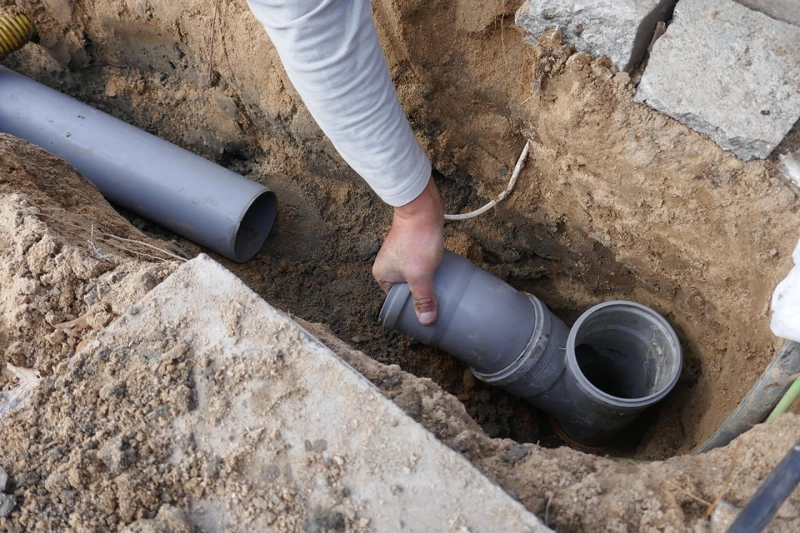
- Pipe replacement and connection
- Inspection and final approval
- Restoration of soil, concrete, or landscaping
Most residential projects take one to three days, depending on the depth of the line and the method used. Trenchless options may reduce yard disruption, but not every property qualifies.
What Affects the Cost of Sewer Line Installation?
There is no flat price for sewer line installation. Costs depend on several factors:
- Length and depth of the sewer line
- Soil type and accessibility
- Pipe material used
- Traditional excavation vs trenchless methods
- Permit and inspection fees
Local pricing in Vancouver often differs from national averages due to soil conditions and code requirements. A professional inspection provides the most accurate estimate.
Choosing the Right Sewer Line Contractor
When selecting a sewer contractor in Vancouver WA, look for:
- Proper licensing and insurance
- Experience with local sewer line installation projects
- Clear handling of permits and inspections
- Written estimates and warranties
Avoid contractors who offer pricing without inspecting the line or suggest skipping permits to save money.
Final Thoughts
Your sewer line plays a critical role in protecting your home, health, and property value. Understanding how it works and knowing when sewer line installation is necessary can save time, money, and stress.
If you own an older home, manage rental properties, or are preparing to buy or sell in the Vancouver area, scheduling a sewer inspection is a smart first step. A professional evaluation helps you plan ahead and avoid unexpected sewer emergencies.
FAQs
Can I stay in my home during sewer line installation?
In most cases, yes. Homeowners can usually remain in their home during sewer line installation. There may be temporary interruptions to water or drain usage during certain phases of the project, but contractors typically coordinate this to minimize inconvenience.
What is the difference between trenchless and traditional sewer line installation?
Traditional installation involves digging a trench to access and replace the sewer line. Trenchless methods use specialized equipment to replace the pipe with minimal digging. Trenchless installation can reduce yard damage, but it is not suitable for every situation. A sewer camera inspection determines which option is best.
How do I know if my sewer line needs replacement or just repair?
A sewer camera inspection provides a clear answer. Minor cracks or localized damage may only need repair. If the pipe has collapsed, separated, or is made of deteriorating materials like Orangeburg, full sewer line installation is usually recommended.
Is sewer line replacement required when selling a home?
Not always, but sewer issues often surface during inspections. If the sewer line is damaged or failing, buyers may request repairs or replacement before closing. Proactively addressing sewer problems can help avoid delays or renegotiations during a sale.