



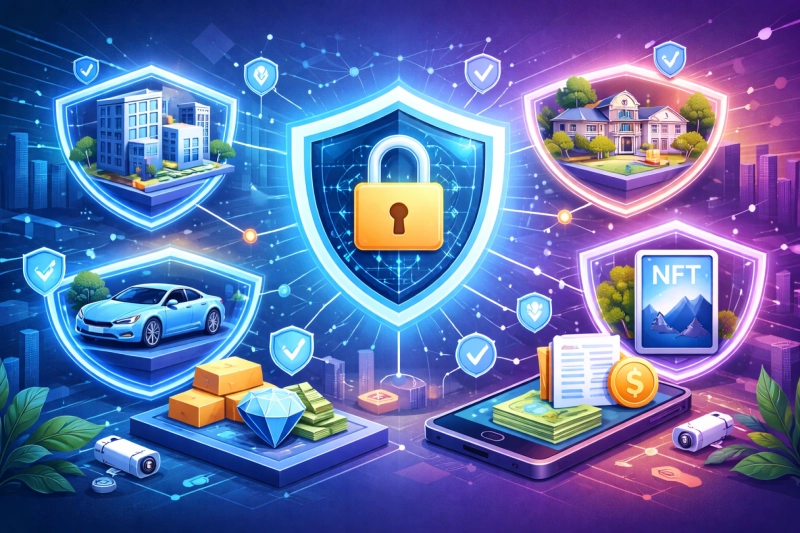
In recent years, blockchain technology has evolved beyond cryptocurrencies to unlock innovative financial applications. One of the most compelling developments is Real World Asset (RWA) tokenization, a process that converts physical or traditional financial assets into digital tokens on a blockchain. High-value assets, such as luxury real estate, fine art, high-end vehicles, and even rare collectibles, are increasingly being tokenized to improve liquidity, streamline transactions, and broaden investment access. While the benefits of RWA tokenization are clear, the question of security remains critical. Investors and asset owners need assurance that their valuable holdings are protected in the digital domain.
This article delves into the security considerations of real world asset tokenization, exploring how blockchain technology safeguards assets, the risks involved, and the measures necessary to ensure secure and reliable tokenization for high-value assets.
Understanding Real World Asset Tokenization
Before assessing security, it’s essential to understand what RWA tokenization entails. Tokenization involves creating digital representations of physical or financial assets using blockchain technology. Each token represents a fractional or whole ownership stake in an asset, enabling a new level of liquidity and accessibility.
High-value asset tokenization offers several advantages:
- Fractional Ownership: Tokenization allows multiple investors to hold fractions of an expensive asset, making high-value assets accessible to a broader audience.
- Liquidity: Traditionally illiquid assets like commercial properties or rare art can now be traded on secondary markets, increasing liquidity.
- Transparency: Blockchain provides an immutable ledger that records every transaction, ensuring traceability and accountability.
- Efficiency: Tokenized assets reduce the need for intermediaries, cutting transaction costs and streamlining processes.
However, these advantages come with unique security challenges. High-value assets attract sophisticated attackers, and the digitization of ownership introduces risks that must be mitigated through robust systems, protocols, and governance.
Blockchain Security as the Foundation
The backbone of RWA tokenization is blockchain technology. Blockchains are decentralized ledgers that store records in a tamper-resistant manner. The security of tokenized assets largely depends on the inherent features of blockchain technology:
1. Decentralization
Unlike centralized systems, blockchains distribute data across multiple nodes. This reduces the risk of a single point of failure and makes unauthorized manipulation of ownership records extremely difficult. Even if one node is compromised, the network consensus prevents fraudulent changes.
2. Immutable Ledger
Once a transaction is recorded on a blockchain, it cannot be altered without the consensus of the network. This immutability ensures that ownership records of tokenized high-value assets remain trustworthy and verifiable.
3. Cryptographic Security
Tokens are secured using cryptographic techniques that ensure authenticity, prevent duplication, and protect private keys. This provides a strong layer of security for high-value asset transactions, making unauthorized access or manipulation highly challenging.
4. Smart Contracts
Smart contracts automate the execution of ownership transfers and compliance rules. Properly coded, they ensure that asset transfers occur exactly as intended without manual intervention, reducing human error and potential fraud.
Unique Security Challenges for High-Value Tokenization
While blockchain offers strong security foundations, tokenizing high-value assets introduces additional risks that require careful management:
1. Custodial Risks
Physical assets still need secure storage. Tokenization does not eliminate the need for secure custodial practices. Real estate, luxury goods, or art must be safeguarded against theft, damage, or mismanagement. If the underlying asset is compromised, the digital token loses value, no matter how secure the blockchain is.
2. Legal and Regulatory Risks
Ownership of tokenized assets must align with local laws and regulations. Inadequate legal frameworks can lead to disputes over ownership rights or difficulty enforcing claims. High-value assets are often subject to stricter regulatory scrutiny, adding complexity to tokenization and necessitating comprehensive legal compliance.
3. Smart Contract Vulnerabilities
Smart contracts are only as secure as their code. Bugs or vulnerabilities in contract design can be exploited by hackers, potentially allowing unauthorized transfers or manipulation of asset tokens. High-value assets attract high-stakes attacks, making rigorous auditing and testing essential.
4. Private Key Management
Token ownership is controlled through private keys. Loss or theft of a private key can result in permanent loss of access to the tokenized asset. For high-value assets, private key security becomes paramount. Hardware wallets, multi-signature arrangements, and secure key management practices are crucial to prevent loss.
5. Market and Liquidity Risks
Tokenized high-value assets rely on secondary markets for liquidity. However, market manipulation, sudden drops in demand, or fraudulent trading platforms can expose investors to financial risks. The security of the trading environment is as important as the security of the tokens themselves.
Ensuring Robust Security in RWA Tokenization
Achieving high levels of security in real world asset tokenization requires a multi-layered approach that addresses both digital and physical risks. Key strategies include:
1. Comprehensive Legal Frameworks
Legal clarity is foundational for secure RWA tokenization. Tokenization platforms should establish legal agreements that define ownership rights, responsibilities of custodians, dispute resolution mechanisms, and regulatory compliance. High-value assets demand meticulous legal oversight to prevent ownership disputes or fraud.
2. Trusted Custodianship
Secure storage and insurance for physical assets are critical. Trusted custodians, verified storage facilities, and insurance coverage ensure that tokenized assets are protected in the real world. For real estate, this may involve verified title management and secure property oversight. For luxury goods, specialized storage and monitoring systems are necessary.
3. Rigorous Smart Contract Audits
Smart contracts governing tokenized assets must undergo rigorous security audits by reputable blockchain security firms. Audits identify vulnerabilities, ensure correct implementation of asset transfer rules, and validate compliance with relevant regulations. Continuous monitoring of contracts post-deployment is also essential to address emerging threats.
4. Advanced Key Management
High-value asset token holders must implement robust key management protocols. Hardware wallets, multi-signature wallets, and secure recovery mechanisms reduce the risk of key compromise. Multi-party control structures are often recommended for institutional investors to add an extra layer of protection.
5. Regulated Trading Platforms
Secondary market platforms for tokenized assets should adhere to strict security protocols, including anti-fraud measures, KYC (Know Your Customer) verification, and secure transaction handling. Using well-regulated platforms reduces the risk of market manipulation or theft.
6. Continuous Risk Assessment
Security in tokenization is not static. Continuous risk assessments, penetration testing, and monitoring of both digital and physical systems help identify vulnerabilities before they can be exploited. For high-value assets, proactive security management is a necessity, not an option.
Case Studies: Security Measures in Action
Real Estate Tokenization
Luxury commercial properties are increasingly tokenized to allow fractional ownership. Leading platforms implement title verification, escrow accounts, and secure property management to ensure token holders’ rights are protected. Blockchain records confirm ownership, while trusted custodians oversee physical assets.
Art and Collectibles
High-value art pieces are tokenized to provide fractional investment opportunities. Platforms use specialized vaults for secure storage and insurance policies against theft or damage. Smart contracts encode ownership and dividend distribution rules, ensuring investors are compensated accurately and securely.
Luxury Vehicles
Exotic and classic cars are also being tokenized. Security measures include GPS tracking, tamper-proof storage facilities, and insurance coverage. Tokenized ownership is recorded on a blockchain to guarantee authenticity and prevent fraudulent sales.
These examples demonstrate that tokenization is secure when combined with strong legal frameworks, physical security, and blockchain technology.
The Future of Security in High-Value Asset Tokenization
As tokenization matures, security measures are expected to become more sophisticated. Emerging trends include:
- Decentralized Custodianship: Distributed storage and management of physical assets to reduce reliance on a single custodian.
- AI-Powered Monitoring: Using artificial intelligence to monitor physical assets, detect anomalies, and prevent theft or damage.
- Regulatory Standardization: Governments and regulatory bodies are developing frameworks specifically for tokenized high-value assets, enhancing investor protection.
- Cross-Chain Security Protocols: Multi-chain interoperability is being developed to allow tokens to move across different blockchain networks securely.
The integration of these technologies will further enhance the safety and reliability of high-value asset tokenization.
Conclusion
Real world asset tokenization represents a revolutionary shift in asset ownership, liquidity, and accessibility. For high-value assets, it opens the door to fractional ownership, broader investment participation, and streamlined transactions. However, security remains a crucial concern.
Blockchain technology provides a robust foundation for securing tokenized assets through decentralization, immutability, cryptographic protection, and smart contracts. Yet, risks related to custodianship, legal compliance, smart contract vulnerabilities, key management, and market security cannot be ignored.
The security of tokenized high-value assets ultimately depends on a holistic approach that integrates blockchain technology, rigorous legal frameworks, trusted custodianship, smart contract auditing, and continuous risk assessment. When these measures are applied consistently, real world asset tokenization can be a highly secure, efficient, and transformative approach for managing high-value investments.
For investors and asset owners, understanding these security dynamics is essential before venturing into tokenization. With careful planning and robust security protocols, tokenizing high-value assets can unlock unprecedented opportunities while mitigating potential risks.