


Industrial operations depend heavily on equipment that operates under high pressure and temperature. Boilers, reactors, and pressure vessels are essential components in industries such as power generation, chemical processing, oil & gas, pharmaceuticals, and manufacturing. While these systems are designed to handle demanding conditions, unexpected pressure buildup can lead to serious safety hazards.
This is where Safety Relief Valves play a vital role in protecting equipment, personnel, and facilities.
Understanding Safety Relief Valves
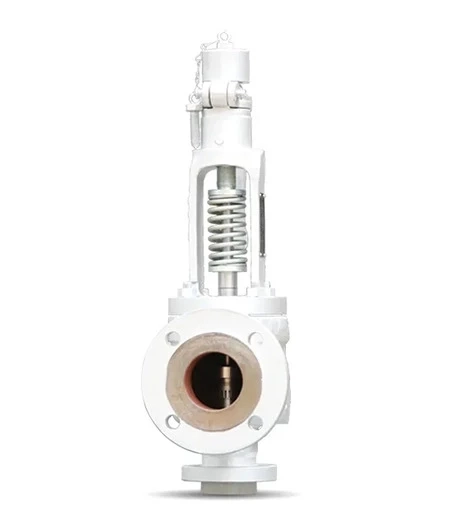
Safety Relief Valve are mechanical devices designed to automatically release excess pressure from a system when it exceeds a predefined safe limit. These valves operate without external power and respond instantly to pressure changes, making them one of the most reliable safety components in pressurized systems.
Once the pressure drops back to a safe operating range, the valve closes automatically, allowing the system to continue functioning normally. Because of their critical safety function, Safety Relief Valves are mandatory in most pressure-containing equipment under international standards such as ASME, API, and ISO.
Why Overpressure Occurs in Industrial Systems
Overpressure can develop due to several operational or mechanical reasons, including:
- Blocked discharge lines
- Equipment or control valve failure
- Thermal expansion of fluids
- Sudden load changes
- Runaway chemical reactions
- Operator error
If excess pressure is not released in time, it can result in vessel rupture, explosions, or severe equipment damage. Safety Relief Valves are specifically designed to prevent these dangerous scenarios.
Role of Safety Relief Valves in Boiler Protection
Boilers are used to generate steam by heating water under pressure. Because steam expands rapidly, even a small increase in temperature can cause a significant rise in pressure.
How Safety Relief Valves Work in Boilers
In boiler systems, Safety Relief Valves are installed on steam drums or pressure headers. When internal pressure exceeds the set limit:
- The valve opens instantly
- Excess steam is discharged safely
- Pressure inside the boiler is reduced
- The valve reseats once normal pressure is restored
importance in Boiler Safety
Without Safety Relief Valves, boilers are at high risk of:
- Tube rupture
- Structural damage
- Boiler explosions
Properly selected and maintained Safety Relief Valves ensure stable steam pressure, protect boiler components, and significantly reduce safety risks.
Protection of Reactors Using Safety Relief Valves
Industrial reactors are used for chemical, petrochemical, and pharmaceutical processes involving heat, pressure, and reactive substances. These reactions can sometimes become uncontrollable, leading to sudden pressure surges.
How Safety Relief Valves Protect Reactors
Safety Relief Valves in reactors help by:
- Releasing pressure caused by runaway reactions
- Preventing deformation or rupture of reactor shells
- Allowing safe venting of gases or vapors
In critical applications, multiple Safety Relief Valves or emergency relief systems may be installed to provide additional layers of protection.
Importance in Hazardous Environments
In chemical and pharmaceutical plants, uncontrolled pressure can lead to:
- Toxic gas release
- Fire or explosion
- Environmental contamination
This makes Safety Relief Valves essential for ensuring safe and compliant reactor operation.
Safety Relief Valves for Pressure Vessel Protection
Pressure vessels are designed to store gases or liquids under pressure and are commonly used in refineries, power plants, food processing, and industrial manufacturing.
How Safety Relief Valves Function in Pressure Vessels
When pressure inside a vessel exceeds the allowable limit:
- The Safety Relief Valve opens automatically
- Excess pressure is vented to a safe location
- Vessel integrity is preserved
Benefits for Pressure Vessel Systems
Using high-quality Safety Relief Valves helps:
- Prevent vessel rupture
- Reduce mechanical stress
- Extend equipment lifespan
- Avoid unplanned shutdowns
Because of these benefits, safety relief valves are a mandatory requirement in pressure vessel design codes.
Types of Safety Relief Valves Used in Industry
Different applications require different valve designs. Common types of Safety Relief Valves include:
- Spring-Loaded Safety Relief Valves – Simple, reliable, and widely used
- Pilot-Operated Safety Relief Valves – Suitable for high-pressure systems
- Conventional Relief Valves – Common in general industrial use
- Balanced Bellows Safety Valves – Effective in systems with back pressure
Selecting the correct type of Safety Relief Valve is critical for optimal performance and safety.
Key Advantages of Safety Relief Valves
Installing properly designed Safety Relief Valves provides multiple benefits:
- Automatic overpressure protection
- Enhanced plant and personnel safety
- Compliance with safety regulations
- Reduced risk of catastrophic failure
- Improved system reliability and efficiency
These advantages make Safety Relief Valves an indispensable component of modern industrial systems.
Standards and Compliance for Safety Relief Valves
Most industrial safety regulations require compliance with recognized standards such as:
- ASME Boiler and Pressure Vessel Code
- API 520 / API 526 / API 527
- ISO safety standards
Using certified Safety Relief Valves ensures that equipment meets legal and safety requirements, reducing liability and operational risk.
Maintenance and Testing of Safety Relief Valves
Regular inspection and maintenance are essential to ensure reliable valve operation. Best practices include:
- Periodic pressure testing
- Checking for corrosion or wear
- Verifying set pressure accuracy
- Cleaning valve internals
- Replacing worn components
Well-maintained Safety Relief Valves provide long-term protection and consistent performance.
Conclusion
Safety Relief Valves are critical safety devices that protect boilers, reactors, and pressure vessels from dangerous overpressure conditions. By automatically releasing excess pressure, they prevent equipment damage, ensure operational stability, and safeguard human lives. Proper selection, installation, and maintenance of safety relief valves are essential for achieving safe, efficient, and compliant industrial operations.