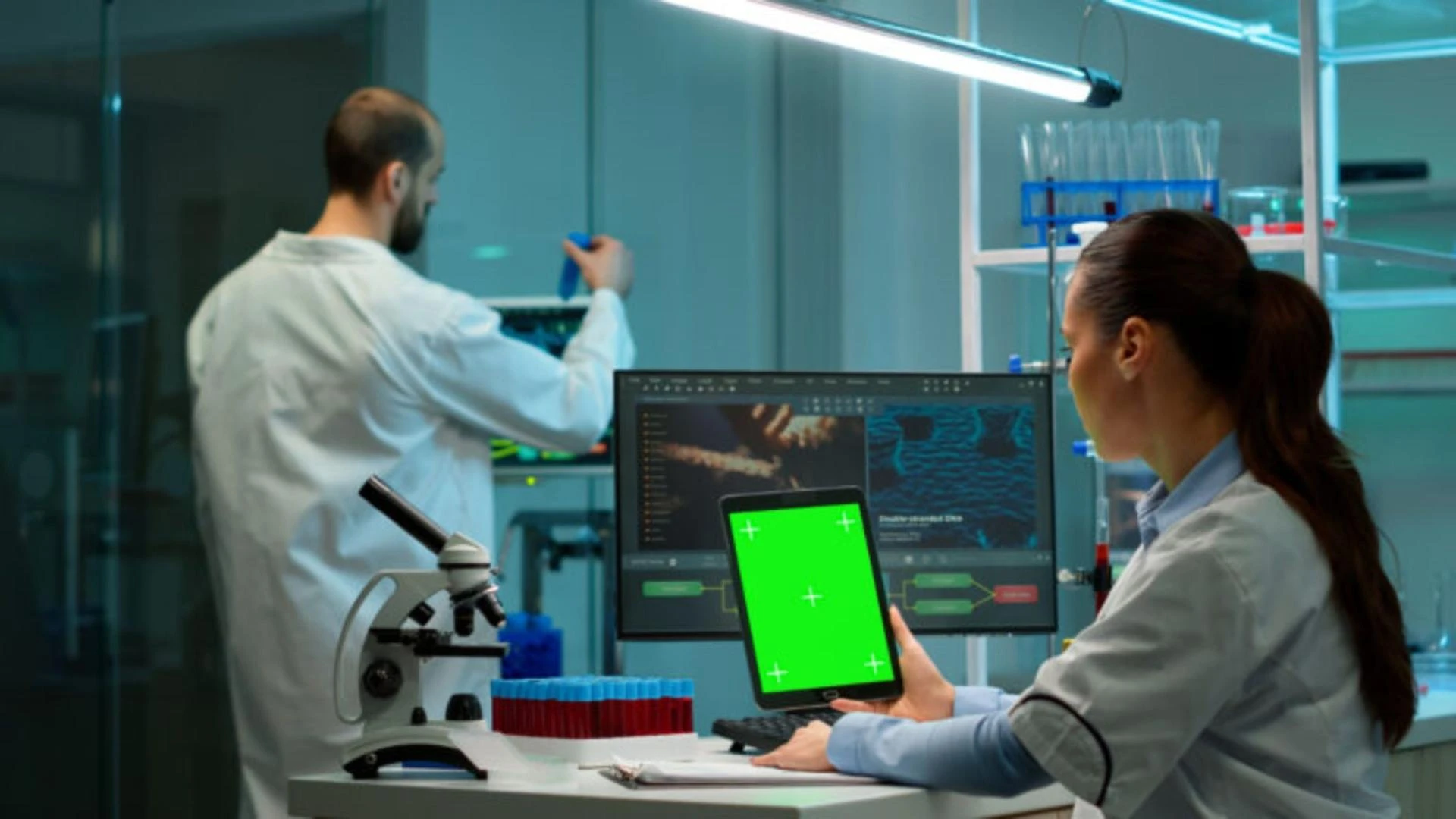
Generic tools often fail to meet the unique demands of a busy clinic or hospital. Healthcare leaders frequently find themselves fighting against their own technology rather than being supported by it. Off-the-shelf products try to please everyone but end up serving no one particularly well. Choosing a healthcare software development company allows a facility to build tools that actually mirror their daily workflows. Instead of forcing staff to change how they work to fit a rigid program, the program adapts to the needs of the doctors and nurses. Operational excellence starts when the technology fades into the background, allowing the clinical team to focus entirely on the patient.
Eliminating Administrative Friction
Most medical offices lose hours every week to "workarounds." These are the extra steps staff take because their software lacks a specific feature or doesn't talk to another system. These gaps create friction that slows down everything from patient intake to discharge. Purpose-built tools remove these hurdles by automating the repetitive tasks that eat up a coordinator's day. When data flows smoothly from a patient portal directly into a clinical record, the risk of error drops significantly.
Speed is a major byproduct of removing this friction. When a nurse doesn't have to log into three different platforms to check a lab result, they spend more time at the bedside. Operational excellence isn't about working harder; it is about making the work feel effortless. Systems designed for a specific specialty know exactly what data a clinician needs to see first. This targeted approach prevents information overload and helps the team make faster, more accurate decisions during critical moments.
Data Accuracy and Patient Safety
Manual data entry is the enemy of safety in a medical setting. One misplaced decimal point or a misunderstood handwritten note can lead to serious consequences. Custom systems prioritize data integrity by using smart validation rules that catch errors before they are saved. If a dosage looks outside the normal range for a patient’s weight, the system provides a gentle alert. These built-in safety nets act as a silent partner for the clinical staff, providing a second set of eyes on every entry.
Beyond safety, accurate data is the foundation of good management. If the records are messy, leadership cannot see where the facility is succeeding or where it is failing. Specialized software ensures that every piece of information is captured in a structured format. This makes it much easier to track outcomes and identify patterns in patient care. When the data is clean, the path to improvement becomes much clearer for everyone involved.
Optimizing Resource Allocation
Hospitals are complex environments with limited resources like beds, staff, and expensive medical equipment. Managing these assets with spreadsheets or paper logs leads to waste and long patient wait times. Purpose-built software can track these resources in real-time, giving managers a bird's-eye view of the entire operation. They can see which rooms are being cleaned, which surgical suites are open, and where staff might be stretched too thin.
- Real-time Bed Tracking: Staff can see exactly when a patient is discharged, allowing for faster turnover and less time spent in the waiting room.
- Staffing Forecasts: Historical data helps managers predict busy periods so they can adjust schedules before a shortage happens.
- Equipment Maintenance: Automated alerts notify the engineering team when a machine needs servicing, preventing unexpected breakdowns during a procedure.
- Inventory Management: Systems track the usage of supplies to ensure critical items are always in stock without over-ordering.
Strengthening Financial Performance
The financial health of a healthcare organization depends on a smooth revenue cycle. Denied claims and late billing are often the result of poor documentation or communication gaps between the clinical and billing departments. Using custom healthcare software development solutions ensures that the billing team gets the exact information they need the moment a service is provided. These systems can check insurance eligibility instantly, reducing the number of surprises for both the patient and the provider.
When the technology handles the complex coding and submission tasks, the billing cycle moves much faster. This steady cash flow allows the organization to reinvest in better equipment and better staff. Efficiency in the back office directly supports the quality of care in the front office. A well-designed system also makes it easier to provide patients with clear, transparent cost estimates. This honesty builds trust and makes it more likely that the facility will collect payments on time.
Final Thoughts
Success in the modern medical landscape requires more than just skilled clinicians; it demands an infrastructure that works as hard as they do. When technology is built with a specific purpose, it stops being a burden and starts being a catalyst for better care. Organizations that prioritize these tailored tools find that they can do more with less, all while keeping their focus on the human beings they serve.
Apex Custom Software provides the technical expertise needed to turn operational goals into reality. They specialize in creating high-performance tools that address the exact pain points of medical professionals. By focusing on practical design and seamless integration, they help facilities move away from generic headaches and toward streamlined success. Their team works closely with healthcare leaders to ensure every line of code contributes to a more efficient and safer environment for everyone involved.