


Gyms are full of energy, movement, and motivation but they are also full of sweat, germs, and odors. With members working out daily, equipment, floors, and locker rooms become hotspots for bacteria. Professional gym and fitness facility cleaning services are essential to keep these spaces safe, hygienic, and inviting.
In this blog, we’ll explore how cleaners manage sweat, odors, and germs while maintaining a spotless and healthy gym environment.
Why Gyms Are Breeding Grounds for Germs
Gyms are not just places for fitness—they are high-touch environments where bacteria thrive. Sweat, skin flakes, and shared equipment create the perfect conditions for germs to multiply. Locker rooms and showers are especially vulnerable due to moisture and warmth, which promote bacterial growth.
Even with regular cleaning by staff, germs can linger in hidden areas, making professional deep cleaning crucial.
Key challenges include:
● High foot traffic and frequent equipment use
● Sweat-soaked surfaces that encourage bacterial growth
● Persistent odors from body sweat, towels, and locker rooms
Step 1: Detailed Assessment of the Facility
Professional cleaners start by assessing the entire gym, noting areas that need special attention. This includes equipment, floors, mats, ventilation systems, and locker rooms.
By identifying high-risk zones, cleaners can prioritize their efforts and apply specialized cleaning techniques for each area.
Focus areas:
● Cardio and strength training equipment
● Free weights and benches
● Locker rooms, showers, and saunas
Step 2: Sweeping and Heavy Dust Removal
Dust often gets overlooked in gyms, but it accumulates quickly on floors, vents, and equipment surfaces. Dust can trap bacteria and reduce air quality, making workouts uncomfortable.
Professional heavy dust removal services include thorough sweeping, vacuuming, and dusting of all surfaces. They also clean vents, ceiling fans, and light fixtures, ensuring that dust does not mix with sweat or odors.
Cleaning steps:
● Vacuuming corners and under equipment
● Wiping down vents and air ducts
● Removing dust from light fixtures and high surfaces
Step 3: Disinfecting High-Touch Surfaces
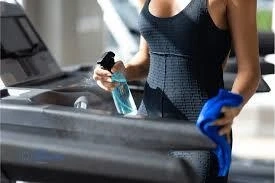
Equipment like treadmills, ellipticals, dumbbells, and weight machines are touched constantly. These high-touch areas are breeding grounds for germs if not properly disinfected.
Professionals use hospital-grade disinfectants and cleaning solutions that are safe for gym equipment but highly effective against bacteria and viruses.
Targeted surfaces include:
● Handles, buttons, and control panels
● Free weights and benches
● Cardio machines and mats
Step 4: Tackling Sweat and Odors
Sweat not only causes germs to spread but also contributes to unpleasant odors. Cleaning sweat requires more than wiping, it involves sanitizing surfaces and using odor-neutralizing solutions.
Professional cleaners:
● Use antimicrobial sprays on equipment and mats
● Clean locker rooms and showers with specialized solutions
● Treat flooring with deodorizing agents to remove lingering smells
Short-term fixes like air fresheners don’t remove bacteria; professional cleaning ensures odors are eliminated at the source.
Step 5: Deep Cleaning Floors and Mats
Floors and mats are constantly exposed to sweat, dust, and spilled liquids. If not properly cleaned, they can become breeding grounds for bacteria and fungi.
Professional cleaners perform:
● Mopping with disinfectants
● Steam cleaning mats and flooring
● Sanitizing yoga mats, resistance bands, and other shared items
This approach not only removes visible dirt but also destroys bacteria that can cause infections or unpleasant smells.
Step 6: Maintaining Locker Rooms and Showers
Locker rooms and showers are the most challenging areas to clean due to moisture, mold, and bacteria growth. Professionals focus on these areas to prevent infections like athlete’s foot or staph infections.
They:
● Disinfect benches, lockers, and hooks
● Scrub shower walls, drains, and floors
● Apply mold and mildew control solutions
Regular cleaning prevents the spread of germs and keeps the environment safe for gym members.
Step 7: Sanitizing Air and Ventilation Systems
Good air quality is critical in gyms. Poor ventilation allows odors and airborne bacteria to linger, affecting the comfort and safety of members.
Professionals clean and sanitize air vents, HVAC systems, and fans to:
● Remove dust and allergens
● Reduce the spread of germs
● Improve overall gym air quality
This step ensures that even areas that seem clean visually are free from invisible bacteria and odors.
Step 8: Using Eco-Friendly Cleaning Products
Many gyms prefer eco-friendly cleaning solutions that are safe for humans but deadly for germs. These products reduce chemical exposure while effectively cleaning sweat, odors, and bacteria.
Benefits include:
● Non-toxic solutions for members and staff
● Environmentally safe disposal
● Effective germ elimination without harsh chemicals
Professional cleaners balance efficiency with safety to create a healthier workout space.
Step 9: Routine Maintenance and Scheduling
Cleaning gyms isn’t a one-time task. Professional services establish schedules based on facility usage, ensuring consistent hygiene. High-traffic gyms may require multiple cleanings per day, while smaller facilities may focus on end-of-day deep cleans.
Routine maintenance includes:
● Daily disinfection of equipment
● Weekly deep cleaning of floors and locker rooms
● Monthly inspection of ventilation and high-risk areas
This approach keeps gyms safe, odor-free, and welcoming for members.
Step 10: Educating Staff and Members
Professional cleaners often educate gym staff and members about hygiene practices, helping to prevent the spread of germs between cleaning sessions. This includes:
● Encouraging use of personal towels
● Wiping down equipment before and after use
● Reporting maintenance issues like spills or clogged drains
A cooperative approach ensures the gym remains clean and healthy at all times.
Why Professional Cleaning Makes a Difference
Gyms are dynamic environments, and ordinary cleaning often isn’t enough. Professional cleaners combine deep sanitization, odor control, dust removal, and expert techniques to create a safe, fresh, and welcoming space.
Key benefits include:
● Reduced risk of infections and illness
● Elimination of sweat and unpleasant odors
● Improved air quality and overall hygiene
● Enhanced member satisfaction and retention
Without professional cleaning, gyms risk complaints, lower attendance, and potential health hazards.
In A Nutshell:
Gyms are much more than spaces for workouts—they are shared environments where germs, sweat, and odors can spread quickly. Professional gym and fitness facility cleaning services ensure that these spaces are safe, hygienic, and enjoyable.
From detailed assessments to disinfecting high-touch surfaces, deodorizing floors, and sanitizing locker rooms and air systems, every step plays a crucial role in maintaining cleanliness. Investing in professional gym cleaning is not just a matter of aesthetics—it’s an essential part of facility management, member safety, and long-term success.