



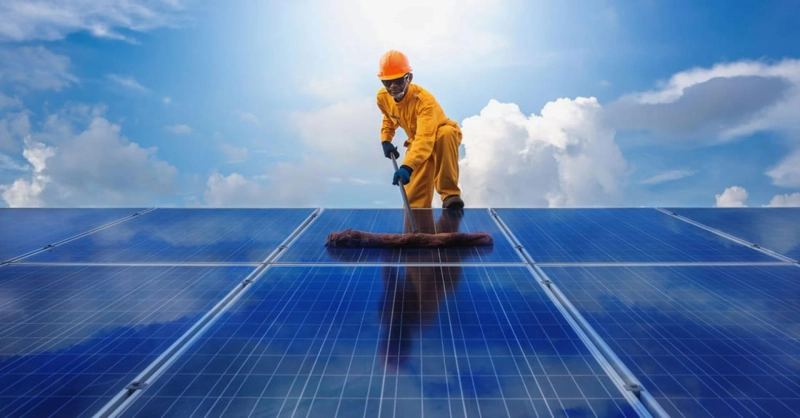
Introduction: The Spark Behind Clean Solar Panels
Solar energy is not just the future; it’s now. The surge in solar power adoption in homes and businesses has been astonishing, and for a good reason. As we become more environmentally conscious and seek sustainable energy alternatives, solar power presents itself as a shining beacon of hope. In fact, over 3 million households in the United States are powered by solar energy, and that number continues to grow each year (source: Solar Energy Industries Association).
But there's one question that often lingers in the back of people’s minds when they install solar panels: How often should you wash your solar panels?
Maintaining solar panels is crucial to ensuring they perform at their best. But just like anything else, solar panels also need care, attention, and regular cleaning. In this guide, we’ll dive deep into the importance of cleaning solar panels, how often it should be done, and the best ways to go about it. We'll also look at the tools you'll need, including the benefits of using an electric pressure washer and a solar panel cleaner.
So let’s get started on this journey to optimize your solar panel system, making sure it stays efficient for years to come!
Why Should You Clean Your Solar Panels?
Before diving into the frequency of cleaning, it’s important to understand why cleaning solar panels is necessary. Solar panels operate by absorbing sunlight and converting it into electricity. Over time, dust, dirt, leaves, bird droppings, and other debris can accumulate on the surface of the panels, blocking sunlight and decreasing their efficiency. According to a study by the International Journal of Renewable Energy Research, dirty solar panels can lose up to 25% of their energy efficiency, depending on the degree of contamination (source: International Journal of Renewable Energy Research).
Here are a few key reasons why keeping your panels clean is important:
- Efficiency Boost: Cleaner solar panels can absorb more sunlight, which means more energy production and better performance.
- Longevity: Regular cleaning can help prevent wear and tear caused by dirt buildup or corrosive substances, extending the lifespan of your panels.
- Cost Savings: If your solar panels are functioning at their maximum efficiency, you’re likely to save more on electricity bills over time.
- Aesthetic Appeal: Clean panels enhance the visual appeal of your solar system, especially if you live in a place like New Jersey, where your solar setup might be visible to the neighborhood or clients.
How Often Should You Wash Your Solar Panels?
Now, let's address the central question: how often should you clean your solar panels? The answer varies depending on a few key factors, including your location, the weather, and your environment. On average, most solar panels should be cleaned 2 to 4 times a year. But let’s break this down in more detail to help you determine what’s best for your specific situation.
1. Environmental Conditions
The location of your solar panels plays a big role in how often you should clean them. Let’s look at a few factors that can impact the frequency of cleaning:
- Dusty Areas: If you live in an area with a lot of dust, dirt, or pollen, like parts of New Jersey or the desert regions, your panels will need cleaning more often. The dust can build up quickly and reduce the amount of sunlight your panels receive.
- High Winds: Areas with frequent high winds or storms can bring debris like leaves, twigs, and other pollutants, which might accumulate on the panels. If this is the case, you may need to clean your panels more frequently.
- Bird Activity: If you have trees or structures near your solar panels, birds may perch on them and leave droppings, which can be particularly stubborn to remove. Bird droppings can seriously block sunlight, so this might require more frequent cleaning.
- Pollution: Urban areas with high levels of air pollution or vehicle emissions can lead to grime buildup on your panels, which might require cleaning once every few months.
2. Weather Considerations
The weather can also play a significant role in how often your solar panels need cleaning. New Jersey experiences a range of weather conditions, from rainstorms to snow in the winter. In general, rain can help wash away light dirt and dust, but heavy pollution or bird droppings might remain. Here’s how weather can impact cleaning:
- Rainy Seasons: During periods of consistent rain, solar panels may self-clean to a certain extent, as rainwater can wash off the dirt. However, after the rain stops, it’s a good idea to check your panels for any remaining debris that might have been left behind.
- Winter: Snow buildup on solar panels can reduce their efficiency, but the panels are usually designed to shed snow naturally. If there’s excessive snow buildup or if the snow melts and leaves behind dirty water marks, you may need to clean the panels once the weather warms up.
- Hot Summers: Hot and dry conditions can lead to the accumulation of dust and dirt, which may require more frequent cleaning, especially in areas like New Jersey during the summer months.
3. Maintenance and Performance Monitoring
Another important aspect is regular performance monitoring. If you notice a significant decrease in your solar panels’ performance, it could be due to dirt or debris on the surface. In that case, cleaning might be necessary immediately.
How to Clean Your Solar Panels?
Once you’ve determined the right frequency for cleaning, the next question is how to clean your solar panels safely and effectively. Cleaning solar panels requires a delicate touch, as you don’t want to cause any damage to the panels or void any warranties.
1. Tools You’ll Need
Here are the essential tools that will make your cleaning process much easier:
- Solar Panel Cleaner: Specially formulated solar panel cleaners are available and are designed to be gentle yet effective. These cleaners help break down grime without damaging the panels.
- Electric Pressure Washer: An electric pressure washer can be an excellent tool for cleaning solar panels. It allows for controlled, gentle pressure, ensuring that you don’t damage the panels but still remove dirt and debris effectively. Just be sure to set it to the lowest pressure setting.
- Soft Brush or Cloth: For stubborn dirt, a soft-bristled brush or microfiber cloth can be used to scrub gently without scratching the surface.
- Hose with Filtered Water: If you’re washing your panels with just water, it’s best to use filtered or deionized water to avoid water spots or mineral buildup.
2. Step-by-Step Solar Panel Cleaning Process
Here’s a simple, step-by-step guide to clean your solar panels:
- Turn off the system: Always turn off your solar power system before cleaning to avoid electrical shock or damage.
- Inspect the panels: Before you start cleaning, check for any visible damage, cracks, or debris that may need special attention.
- Use the Electric Pressure Washer: With the pressure set to low, use your electric pressure washer to spray water over the panels. Start from the top and work your way down to avoid streaks.
- Clean with a Solar Panel Cleaner: For tougher grime, spray a solar panel cleaner on the surface and let it sit for a few minutes before wiping with a soft cloth or using the brush.
- Rinse and Dry: Once the panels are clean, rinse them thoroughly with water and let them dry naturally.
3. Safety Tips
- Don’t Use Harsh Chemicals: Avoid using harsh chemicals or abrasive tools that could scratch or damage your panels.
- Use a Ladder Carefully: If you need to climb onto your roof to clean the panels, ensure you use a stable ladder and follow safety protocols.
- Consider Professional Help: If you're unsure about cleaning your panels yourself or if the panels are too high, consider hiring a professional solar panel cleaning service.
FAQ: Common Questions About Solar Panel Cleaning
1. How do I know if my solar panels need cleaning?
If your solar panels aren’t producing as much power as they normally would, it could be a sign they need cleaning. Also, check if there’s visible dirt, bird droppings, or debris on the panels.
2. Can I use a regular pressure washer to clean solar panels?
It’s recommended to use an electric pressure washer with a low-pressure setting. Using too high a pressure can damage the panels.
3. Will rain clean my solar panels?
Rain can wash away light dirt and dust, but heavy grime or bird droppings may require additional cleaning.
4. Is it safe to clean solar panels in the winter?
Yes, but be cautious of snow and ice. Wait for the panels to thaw before cleaning them, and don’t use hot water, as it may cause damage.
5. Can I hire someone to clean my solar panels?
Yes, there are professional services that specialize in solar panel cleaning. They have the experience and tools to clean your panels safely and efficiently.
Conclusion: Keep Your Solar Panels Shining Bright
In conclusion, cleaning your solar panels is essential for maintaining optimal performance and ensuring long-term savings on your energy bills. While the frequency of cleaning varies depending on your location, environmental factors, and the weather, cleaning your panels 2 to 4 times a year is typically ideal.
With the right tools, like an electric pressure washer and solar panel cleaner, you can ensure that your solar panels stay in tip-top shape, continuing to harness the power of the sun efficiently.
Remember, maintaining your solar panels isn’t just about keeping them clean—it’s about taking care of an investment that will serve you for decades to come. Happy cleaning!