



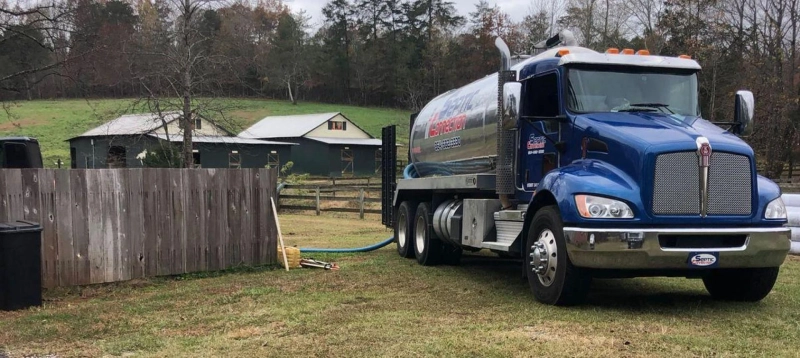

If your home relies on a septic system, keeping it in good working condition should be one of your top maintenance priorities. Many homeowners don’t think much about their septic tank until a problem arises—like slow drains, sewage odors, or unexpected backups. Knowing how often you should schedule septic pumping in Anderson, SC can save you from costly repairs and a lot of inconvenience.
Septic systems are designed to last for decades, but only when they’re properly maintained. Regular cleaning and inspection are key to preventing serious issues that can damage both your home and the environment.
Understanding the Role of Septic Pumping
Your septic tank’s main job is to collect wastewater from your home and separate it into layers—solids settle at the bottom, while lighter materials like grease float to the top. The liquid in between flows out to the drain field, where it’s filtered naturally into the soil.
Over time, the sludge and scum layers build up inside the tank. When the tank becomes too full, the waste can overflow or clog the system. That’s why septic pumping is essential—it removes this buildup and helps your system operate efficiently.
How Often Should You Pump Your Septic Tank?
The general rule for septic pumping is every 3 to 5 years, but that’s not a one-size-fits-all answer. Several factors determine the ideal schedule for your home:
- Tank Size – Larger tanks can hold more waste, so they require less frequent pumping. Smaller tanks fill up faster and may need to be cleaned more often.
- Household Size – The more people living in your home, the more wastewater your system handles daily. A family of five will likely need pumping sooner than a single occupant.
- Water Usage – Homes that use a lot of water—through long showers, frequent laundry, or running dishwashers—can cause the tank to fill up quickly.
- Type of Waste – What goes down your drains matters. Harsh chemicals, grease, and non-biodegradable items can build up in the tank and cause issues sooner.
- Previous Maintenance – If your system hasn’t been pumped or inspected in several years, it’s wise to schedule an appointment as soon as possible.
A professional inspection is the best way to know your exact pumping frequency. During the visit, a septic technician can measure sludge levels and assess the overall condition of your tank.
Signs Your Septic Tank Needs Pumping
Even with regular care, your septic tank can show signs that it’s reaching capacity. Keep an eye out for these warning signals:
- Slow drains or gurgling sounds in sinks and toilets
- Unpleasant odors near drains or the septic tank area
- Patches of unusually green or soggy grass over the drain field
- Sewage backups inside your home
If you notice any of these symptoms, don’t delay. Scheduling septic tank cleaning right away can prevent extensive damage and costly repairs.
What Happens If You Don’t Pump on Time?
Ignoring septic maintenance can lead to more than just a foul smell. Overfilled tanks can cause wastewater to overflow into the yard or back up into your home. This not only creates a health hazard but also damages flooring, walls, and plumbing fixtures.
Additionally, neglecting your septic system can contaminate groundwater and local water sources—an environmental risk that’s both costly and dangerous. In severe cases, you might even need to replace the entire system, which can run into thousands of dollars.
How Professional Septic Service Helps
Working with an experienced local provider ensures that your system receives the right care at the right time. Professionals use modern tools to safely remove waste, check for leaks, and identify potential issues before they worsen.
During routine service, the technician may also discuss helpful maintenance tips, such as conserving water, avoiding chemical cleaners, and keeping tree roots away from the drain field.
For homeowners who want to understand coverage options, it’s also worth learning about Is Septic Cleaning Covered by Home Insurance? to know what protection you might have if a problem occurs unexpectedly.
Simple Tips to Extend the Life of Your Septic System
You can reduce the frequency of pumping and keep your system working efficiently with these small habits:
- Spread laundry loads throughout the week to avoid overloading the system.
- Fix leaky faucets and toilets to prevent excess water flow.
- Dispose of grease, oil, and non-flushable items properly.
- Use water-efficient appliances and fixtures.
- Schedule inspections every 1–2 years.
These habits not only keep your septic tank in good shape but also help you save on maintenance costs over time.
Final Words
Knowing how often to schedule septic pumping in Anderson, SC can make a big difference in keeping your home clean, safe, and efficient. On average, every 3 to 5 years works for most households, but your system’s unique needs might differ. Regular maintenance, mindful water use, and professional inspections will help prevent costly issues and extend the lifespan of your septic system.
If you’re unsure when your last pumping was done, now’s the perfect time to call a trusted septic service provider and schedule an inspection. Taking action today can help you avoid unpleasant surprises tomorrow.
Frequently Asked Questions
Q1: What’s the average cost of septic pumping in Anderson, SC?
Most homeowners can expect to pay between $250 and $500 depending on the tank size and accessibility.
Q2: Can I pump my septic tank myself?
It’s not recommended. Septic cleaning requires professional equipment and expertise to ensure safety and compliance with local regulations.
Q3: What happens if my tank fills up too quickly?
Frequent filling may indicate excessive water usage or a hidden leak. A professional inspection can identify and fix the issue.
Q4: Does homeowners insurance cover septic tank repairs?
Typically, insurance does not cover maintenance or wear-and-tear damage, though some policies may include sudden system failures. Always check your policy details.